

 2 days ago
6
2 days ago
6
ARTICLE AD BOX
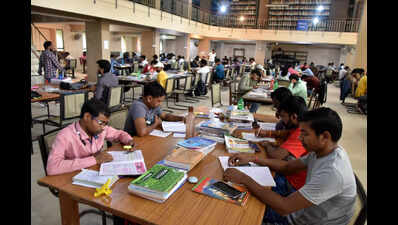
Ranchi: Prolonged exposure to mobile phones is leading to a dip in reading habits, especially among children, across the globe. And Jharkhand is no exception. In Jharkhand, like other parts of the country, parents are concerned with the gradually dipping attention span of their children and the inability to think critically, all caused by the dipping reading habits and excessive use of gadgets.Dr Sanjay Kumar Karn, librarian of Ranchi University’s (RU) central library said reading books is essential for the people of all age groups for gaining knowledge and broadening their outlook towards the society. “However, with the advent of technology and rapid popularisation of social media apps, people, especially of the youth have attracted more to gadgets, which has adversely affected them in many ways,” he said.Echoing Karn’s concerns, Binod Narayan, the head of sociology department at the RU, said, “Since resources are unlimited on the internet nowadays students should choose books according to their subjects and interests. Reading good books in various fields also makes one learn about different aspects of life.”Alarmed with the trend, people from different backgrounds are taking various measures to inculcate the habit of reading among the youngsters.
Book promotion efforts of groups and individuals:Sanjay Kacchap, an official of state agriculture department, has been setting up community libraries across the state since 2008 with the help of several like-minded people. Ever since he built his first library in 2008 at his native place in Pulihatu in Chaibasa in West Singhbhum, Kachhap has so far set up 50 libraries across the state.“In 2002, when I was preparing for govt jobs, I faced many hurdles due to lack of access to books in Chaibasa.
After I managed to secure a small-time job in the railway in 2004. The same year, I decided to set up libraries so that other aspirants should not miss out opportunities due to lack of access. Since then, I have been setting up libraries in places where I am transferred to,” Kacchap, who is currently serving as a market secretary of agricultural produce market committee in Pakur and Sahebganj, said.Affectionately called the ‘Library Man’, Kachhap said digital addiction is causing youngsters to drift away from reading books.
“Through the community libraries we have set up, we encourage students to read books on especially autobiographies, story books, novels apart from course-related books, to bring back the reading culture,” he said.In Ranchi, a collective of youths, ‘Pratigya’ has been running four community libraries in underprivileged pockets of the city, to popularise reading culture and help bridge the persistent literacy and numeracy gap among children living in slum areas.“Every day the students in large numbers come to the libraries and turn pages of colourful storybooks, workbooks, illustrated encyclopaedias, and basic numeracy guides. Children, many of whom have struggled to cope with lessons taught in school, gather eagerly around. For them, Pratigya’s movable libraries are not just book corners; they are portals to confidence and curiosity,” Chandan Singh, co-founder of Pratigya, said.Students at the Amity University in Ranchi have formed a reading club to promote the habit of reading. “During our meetings, phones are not allowed to be taken along. We have realised that phone-addiction has drastically impacted our attention span and we are drifting away from reading books. So, we formed this group in January this year to collectively read and discuss books,” K Jeni, a student of English literature of the University and co-ordinator of the club said.Need for a library policy in JharkhandMany in Jharkhand have voiced the need for a Public Library Act (PLA) in Jharkhand, to make it obligatory for the state govt to fund the development of its libraries. Bihar passed the law in 2008, and more than 20 states have implemented the policy so far, librarians said.Notably, Bihar, a state which was split form Jharkhand in 2000, has passed this law in 2008 and 20 states across the country have implemented library policy so far.According to librarians, a state having PLA makes budgetary allocations for development of its libraries. The law can also have provisions for setting up libraries from the districts, blocks, panchayat and the village levels.Sanjay Kumar Karn, who is also the secretary of Jharkhand Information and Library Association, said, “There is no PLA in the state. We have raised the issue at various platforms. In absence of proper funding and staff strength facilities are being adversely affected at government libraries.”
There are district libraries in 22 out of 24 districts of the state at present.Mushrooming of reading rooms:In recent times, Ranchi and other urban centres across Jharkhand has also witnessed a sharp rise in library-cum-reading rooms, where aspirants of various competitive exams access facilities such as uninterrupted Wi-fi connection, newspapers, books and other reading materials in exchange of monthly fees.Apart from providing facilities required for preparations, most of such private libraries offer indoor game facilities to the aspirants, to relax their minds. The fees of such libraries range from Rs 400- 1,500 a month depending on the hours the aspirants access their facility.“Here we get a reading atmosphere unlike at our homes or rented accommodations. At homes, we might get distracted or disturbed by various factors but here we can fully devote time to our preparations. Also, we get to discuss with peers and clear doubts on topics. Uninterrupted internet connection is a major factor why many aspirants choose reading rooms over their homes,” Arpan Das, a NEET aspirant said.







 English (US) ·