

 1 hour ago
4
1 hour ago
4
ARTICLE AD BOX
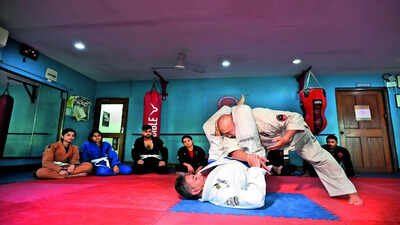
In a city where martial arts such as karate have long hogged the spotlight, Brazilian Jiu-Jitsu is emerging as a compelling alternative. Its rise reflects a broader change in how people approach fitness and self-defense – moving away from purely striking-based systems to disciplines rooted in control, leverage, and technique.
Though still in its early stages, the sport is steadily building a dedicated community in Kolkata. To understand the trend, we spoke to academies, dojos, and senseis across the city, tracing how Jiu-Jitsu is finding its place on Kolkata’s mats.The rise of Jiu-JitsuBrazilian Jiu-Jitsu (BJJ) is steadily evolving into a popular fitness and combat sport trend, with several dojos opening in the city, not just to cater to professional fighters but also to hobbyists, and even women and children.
“This has been fuelled by a broader shift towards fitness regimes that combine strength, technique and self-defence,” says Mayukh Banerjee, who runs a martial arts school. “It also offers a practical understanding of how to handle real-life situations effectively,” adds Azmi Khan, another city-based sensei.
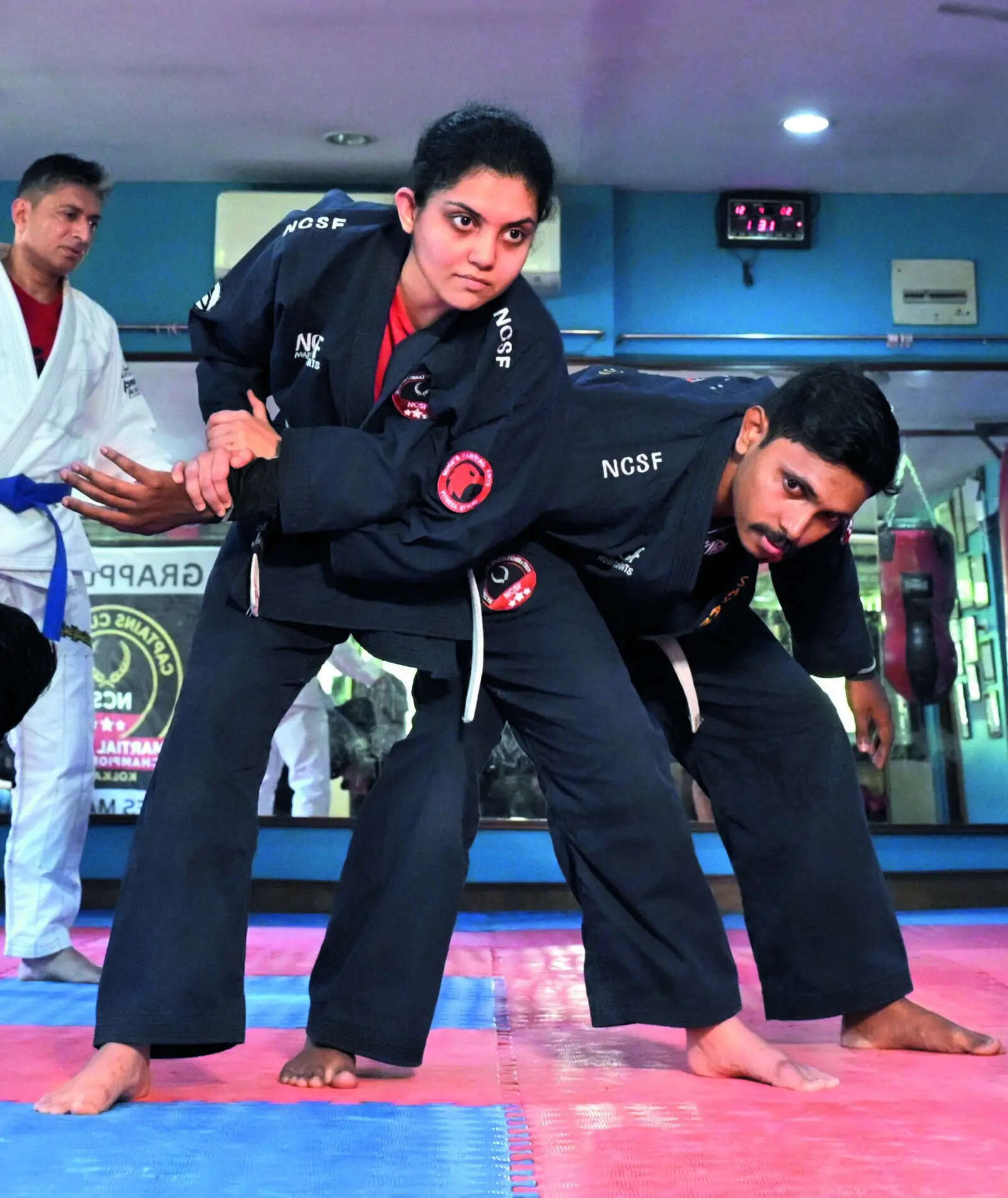
Close contact holds women backFor many women in Kolkata, the appeal of BJJ lies in its practicality. “It equips them with the skills to control real-world physical confrontations without using brute force,” says Tarika Modi, a student.
As awareness grows, more women are seeing it as an essential life skill. But according to trainers, many women are reluctant to train. “A key reason for this is the sport’s inherently close-contact nature. Unlike striking-based disciplines, Jiu-Jitsu involves prolonged physical proximity, grappling, and ground fighting, which can feel uncomfortable, especially in contexts shaped by cultural conditioning.
This hesitation is not necessarily about the sport itself, but about navigating that level of physical closeness,” says Mayukh Banerjee.
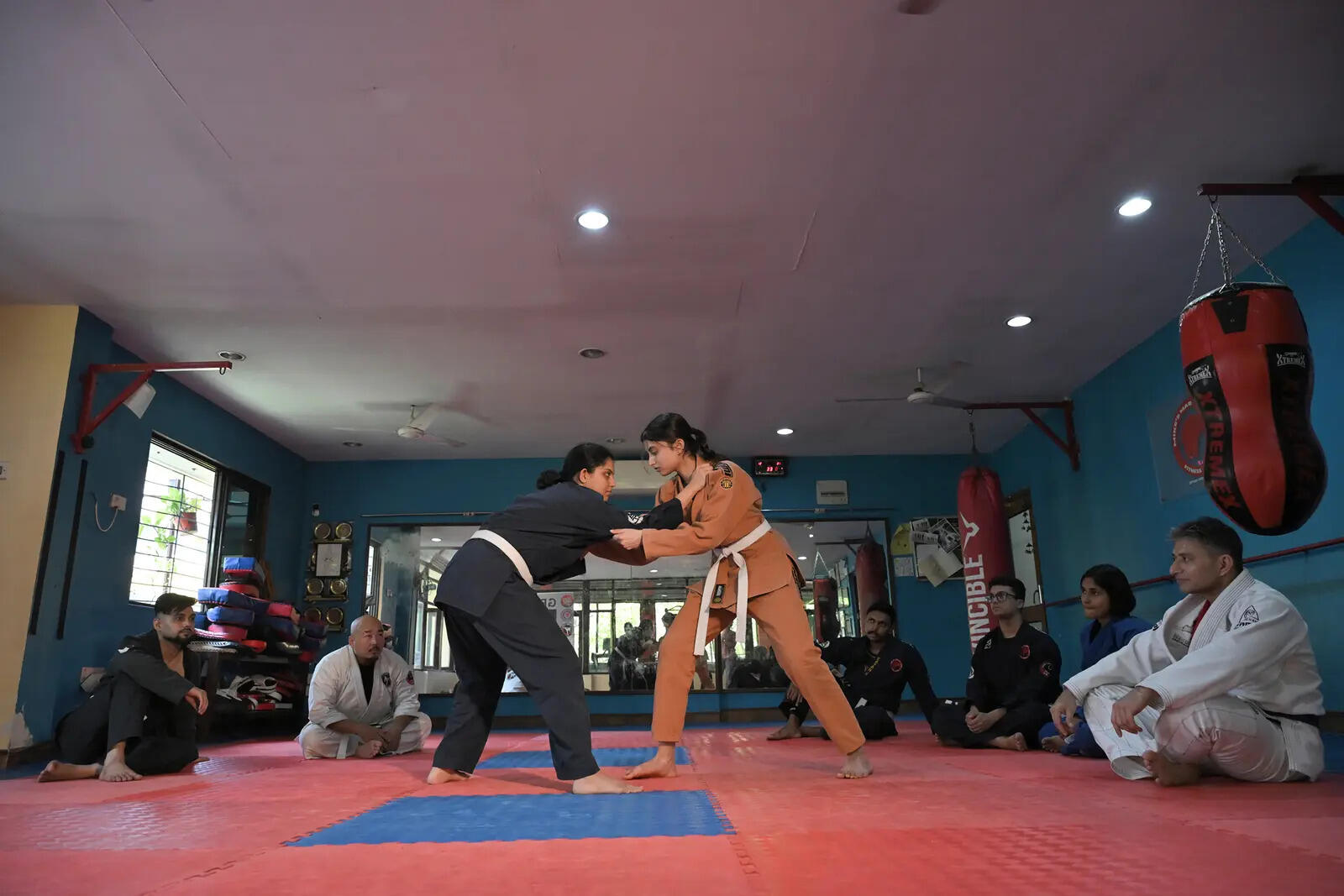
Jiu-Jitsu and the scope of combat sportsFor many practitioners, martial arts is more than just a sport; it becomes a way of life shaped by discipline, patience and a constant process of learning. “In mixed martial arts (MMA), much of the focus is on striking — punches, kicks, and fighting while standing. But a fight rarely stays on the feet for long.
The moment it goes to the ground, the dynamics change completely, and that is where BJJ comes into the picture. It answers a critical question: once you have taken your opponent down, what is the next step?,” says Anbesh Limbu, a sensei.
“It’s about how to control an opponent, escape from difficult positions, and ultimately finish the fight using submissions like chokes and joint locks. Unlike striking arts that rely on speed and power, BJJ is rooted in leverage, balance and precision, allowing a smaller or less physically strong individual to defend themselves effectively,” adds Azmi Khan.
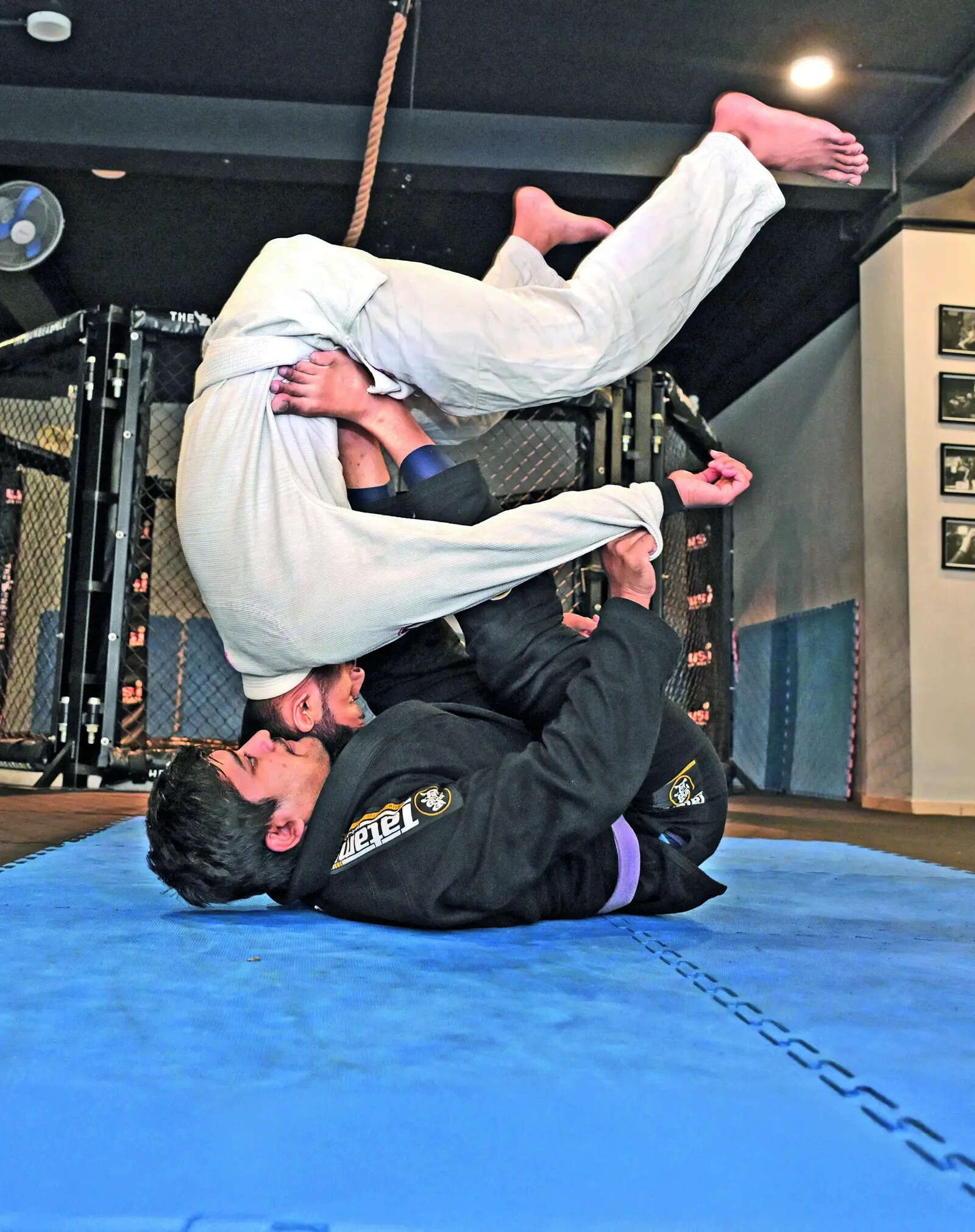
The ethical dos & don’ts of Jiu-jitsu Respect the tap: The moment someone taps, you stopTrain with honesty, not ego: Roll to learn, not to prove dominanceTake responsibility for your partner’s safety: You’re in control of their body as much as your own, train with careBe inclusive and welcoming: Create a space where beginners, women, and newcomers feel safe and respectedMaintain integrity outside the mat: Don’t misuse what you learn; the sport carries a responsibility beyond training According to senseis, it takes time to learn BJJ as it’s a highly practical, contact-based discipline that requires consistent training and experience.As Jiu-Jitsu involves close physical contact, academies informally assess applicants for temperament, including any signs of aggression, to ensure a safe training environmentJiu-Jitsu breaks the stereotype of combat sports being purely violent. Instead, it’s about control, discipline and technical mastery, where the goal is not to harm, but to manage, and neutralize physical conflict intelligently– Sayan Khastgir, a sensei at Alpha Fitness and Self DefenceJiu-Jitsu’s intensity is different from that of striking-based martial arts. Rather than relying on impact, it places continuous demands on endurance, strength, core stability, & overall body control– Shibasish Banerjee, head coach at Alpha Omega Combat Sports AcademyIt’s a relatively expensive sport compared to something like Karate. Advanced training often requires bringing in international instructors– Mayukh Banerjee, sensei, Mikes Martial Arts Academy







 English (US) ·