

 3 days ago
8
3 days ago
8
ARTICLE AD BOX
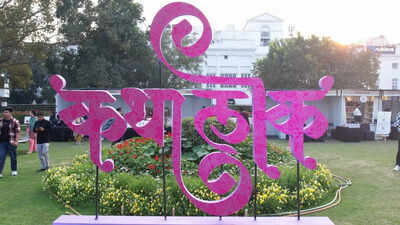
Delhi's Purana Qila transformed into a time capsule during Kalidas ka Kathaalok, a two-day festival that delved deep into the cultural essence of ancient India. Inspired by the literary genius Kalidas, the event brought to life a spectacular array of theatre, music, and artistic installations, reminiscent of India in 26CE
Delhi witnessed a unique cultural experience of Kalidas ka Kathaalok, a two-day cultural festival, at Purana Qila on 7 and 8 February. Conceived as a journey into the intellectual and cultural world of ancient India, the festival invited audiences to experience stories and performances, not as relics of the past, but as living conversations that continue to resonate today.
Kathaalok drew inspiration from the era of Mahakavi Kalidas, one of India’s greatest literary figures, but extends beyond his works to explore the wider world of ancient India—its janapadas, trade routes, social structures, artistic expressions, and philosophical questions. Through theatre, music, spoken narratives, workshops, and immersive installations, the festival recreated the rhythms of India 26CE.
Curated under the larger vision of Samay Yaan of Sashakt Samaj, Kathaalok aims to act as a bridge between ancient Indian thought and contemporary audiences, particularly the youth. The festival aimed to present it with honesty and openness—allowing audiences to listen, reflect, and decide for themselves what continues to inspire, what has evolved, and what belongs to its time. Visitors were treated to an immersive experience beginning at the gates of Purana Qila, with evocative visual installations, traditional crafts, and experiential zones showcasing practices such as attar-making, pottery, ancient scripts, and ancient Indian board games.
These daytime encounters flowed into curated conversations with scholars, writers, and cultural thinkers, followed by evening performances that brought alive stories of love, loss, travel, seasons, power, and devotion from ancient India.
A special highlight of the festival was its focus on young voices and contemporary interpretations. College students, theatre enthusiasts, and emerging artists were encouraged to engage with ancient themes through modern forms—ensuring that the dialogue between past and present remains dynamic and evolving.




 English (US) ·