

 4 days ago
11
4 days ago
11
ARTICLE AD BOX
Last Updated:April 01, 2026, 13:02 IST
Karnataka introduced Freedom of Choice in Marriage and Prevention and Prohibition of Crimes in the Name of Honour and Tradition (Eva Nammava) Bill, 2026 after Manya Patil's murder


Karnataka CM Siddaramaiah and deputy CM DK Shivakumar. (Image: PTI/File)
Last month, Karnataka passed the Freedom of Choice in Marriage and Prevention and Prohibition of Crimes in the Name of Honour and Tradition (Eva Nammava) Bill, 2026 in both the Houses of the legislature.
While it is not strictly India’s first anti-honour killing law — Rajasthan passed a similar bill in 2019 — it is a landmark piece of legislation for Karnataka, introduced in response to the brutal murder of a pregnant woman, Manya Patil, in December 2025.
The effectiveness of the Bill in preventing crime lies in its shift from reactive punishment to proactive institutional protection, say experts.
Who was Manya Patil?
Manya Patil was a 19-year-old pregnant woman whose murder in December 2025 became the catalyst for Karnataka’s landmark Eva Nammava Bill. A member of the Lingayat community, she was killed in a suspected “honour killing" for marrying Vivekananda Doddamani, a man from the Madiga (Scheduled Caste) community, against her family’s wishes.
Manya and Vivekananda married in May 2025. Facing strong opposition and threats from her family, the couple initially fled their native village of Inam Veerapur to live in Haveri. Despite police intervention and a written assurance from her father to stay away, the couple returned to their village on December 8, 2025, hoping her pregnancy would lead to a truce.
On December 21, 2025, group of attackers, including her father Prakashgouda Patil and other relatives, allegedly barged into her home. They allegedly brutally assaulted Manya with iron pipes and rods. Manya, who was six to seven months pregnant, succumbed to her injuries at a hospital in Hubballi shortly after.
Her husband’s parents, Renavva and Subhash, were also seriously injured while attempting to protect her.
What are the key provisions?
The Bill aims to move beyond existing criminal law (Bharatiya Nyaya Sanhita) by building an “enforcement architecture" specifically for vulnerable couples.
Mandatory Rapid Protection: The law mandates that police must provide protection within six hours of receiving a complaint regarding threats to an inter-caste or inter-faith couple.
Institutional Support (Eva Nammava Vedike): Every district will establish a platform to solemnise marriages and provide counselling, overseen by retired judges and police officials.
State-Funded Safe Houses: It requires the creation of secure, state-funded residential facilities in every district headquarters to house couples at risk of harm.
Prohibition of Unlawful Gatherings: The Bill criminalises the assembly of five or more people gathered to oppose or condemn a marriage on the grounds of caste or tradition.
Criminalising Social Boycott: Beyond physical violence, the Bill penalises social and economic boycotts, excommunication, and symbolic “death ceremonies" performed against living individuals.
What are the penalties?
All offences under this Act are cognisable and non-bailable.
- Honour Killing: A minimum of five years’ imprisonment, which can extend to life imprisonment.
- Grievous Injury: Minimum of three years’ imprisonment and fines up to ₹3 lakh.
- Simple Hurt: Minimum of two years’ imprisonment.
- Official Accountability: Public servants who “wilfully neglect" their duties under this Act can face departmental proceedings and potential imprisonment.
What is the debate?
Despite its passage, lawmakers and activists have debated whether the bill can truly stop these crimes.
Critics, including some opposition members, argued that existing laws against murder and assault are sufficient and that adding a specific law might dilute penalties if not implemented correctly.
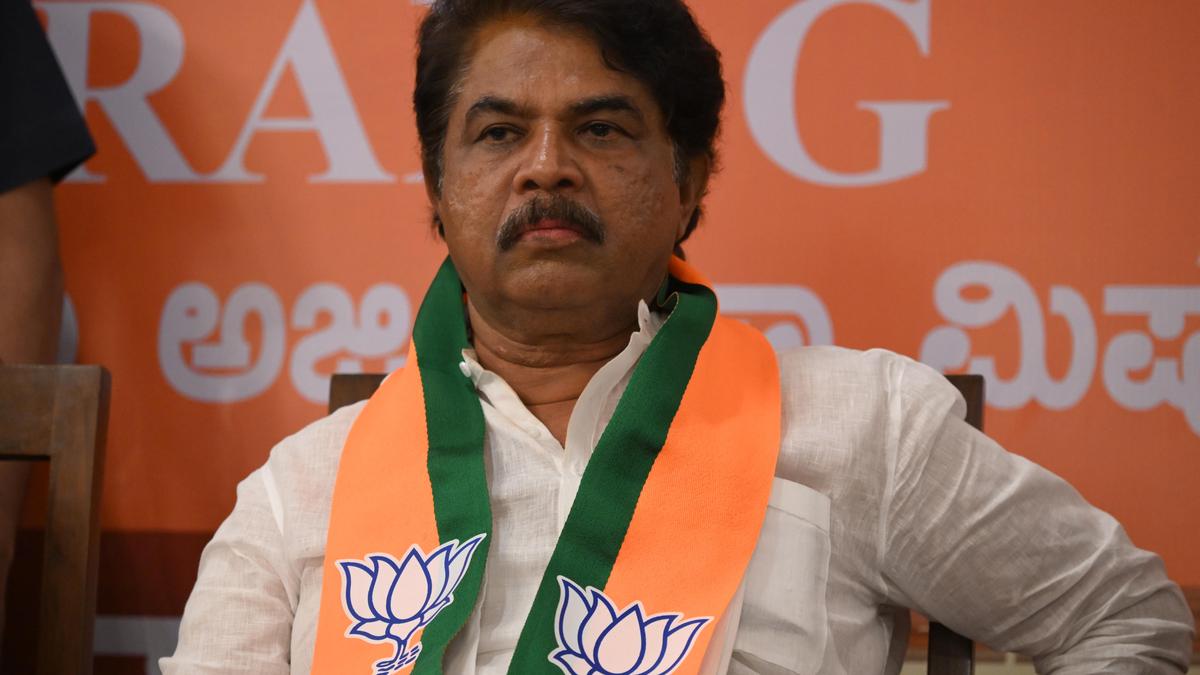
Leader of the Opposition R. Ashoka noted that the law does not fully address the issue of witnesses turning hostile, which frequently leads to poor conviction rates in honour-related cases.
Many argue that while the law provides “teeth" for enforcement, real change depends on shifting social mindsets regarding caste and tradition.
Does Rajasthan have a similar law?
While Rajasthan was the first state in India to pass a dedicated bill against honour killings in August 2019, it does not currently have an active, enforceable law. The Rajasthan Prohibition of Interference with the Freedom of Matrimonial Alliances in the Name of Honour and Tradition Bill, 2019, was passed by the State Assembly but was returned by the Governor in January 2026.
The provisions
The bill was designed to categorise “honour crimes" as distinct offences with severe penalties:
Death Penalty: Prescribed the death sentence or life imprisonment (for the remainder of natural life) for causing the death of a couple or either partner.
Criminalising Assemblies: Prohibited gatherings (such as Khap Panchayats) intended to condemn or interfere with valid marriages. Organizing or participating in such assemblies was punishable by 6 months to 5 years in prison.
The punishments
Grievous Hurt: 10 years to life imprisonment plus a fine of up to ₹3 lakh.
Simple Hurt: 3 to 5 years in prison and a fine of up to ₹2 lakh.
Preventive Powers
Empowered District Magistrates (DM) and Sub-Divisional Magistrates (SDM) to prohibit unlawful gatherings and provide protection to couples.
Why was it returned?
In January 2026, the Rajasthan Governor returned the bill to the Assembly on two main grounds. The 2019 draft relied on the IPC (1860) and CrPC (1973), which have since been replaced by the Bharatiya Nyaya Sanhita (BNS) and BNSS. The state government argued that Section 103 of the BNS (2023) already provides sufficient provisions to deal with murder, including those motivated by “honour".
KEY FAQs
Is this India’s first honour killing law?
Yes, this is the first state-specific law directly targeting honour crimes.
What punishment does it give?
Jail terms for killing, violence, threats, and even social boycotts.
Can it stop honour killings completely?
No, but it can reduce them if properly enforced.
With agency inputs
First Published:
April 01, 2026, 13:00 IST
News explainers Karnataka Gets India’s 1st Bill Against Honour Killing: Will ‘Eva Nammava’ Law Protect Couples?
Disclaimer: Comments reflect users’ views, not News18’s. Please keep discussions respectful and constructive. Abusive, defamatory, or illegal comments will be removed. News18 may disable any comment at its discretion. By posting, you agree to our Terms of Use and Privacy Policy.
Read More






 English (US) ·