

 3 days ago
13
3 days ago
13
ARTICLE AD BOX
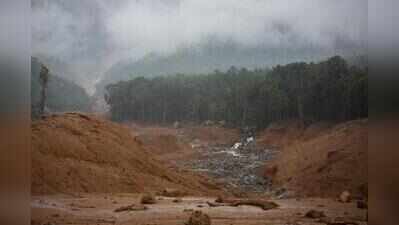
HC had repeatedly directed the authorities to ensure adequate safety measures against landslide threats
Kochi: High court, in the wake of Tuesday’s landslip at the construction site of the twin tunnel road project at Kalladi in Wayanad, will on Friday consider the suo motu case that was initiated in the aftermath of the 2024 Chooralmala and Mundakkai landslides.
The case has been posted before the bench of Justices A K Jayasankaran Nambiar and A K Preetha.The massive landslip at Kalladi left six persons dead and two missing. Preliminary reports on the incident flagged concerns over the construction of the twin tunnel, which passes through high landslide hazard zones identified by the Kerala State Disaster Management Authority. During a previous hearing of the suo motu case initiated in the aftermath of the devastating July 30, 2024 landslides which claimed 298 lives, HC had repeatedly directed the authorities to ensure adequate safety measures against landslide threats.Similarly, Wayanad Prakriti Samrakshana Samithy had filed a PIL in 2025 challenging the twin tunnel road project, citing several procedural lapses, including non-compliance with the general conditions stipulated under the EIA notification. The petitioner argued that Wayanad is highly prone to landslides and that the proposed project passes through ecologically sensitive areas (ESAs). They further questioned the competence of the Environmental Impact Assessment (EIA) report prepared by Konkan Railway Corporation, contending that it is not an accredited agency authorised to prepare such reports.
However, HC dismissed the PIL in Dec 2025, after taking note of the submissions of the state and central govts that no procedural irregularity had occurred and that the project was backed by scientific expertise. While dismissing the PIL, the court held that its jurisdiction did not extend to questioning the scientific wisdom of expert bodies constituted under the statute and that any dispute on that score must be adjudicated by the National Green Tribunal (NGT). It also observed that it expected the state executive to remain mindful of its public accountability and monitor the project diligently at every stage of implementation, giving primacy to public safety. Before parting with the case, HC further emphasised that the statutory authorities bear a heightened responsibility and accountability for the scientific decisions taken by them.








 English (US) ·