

 1 week ago
15
1 week ago
15
ARTICLE AD BOX
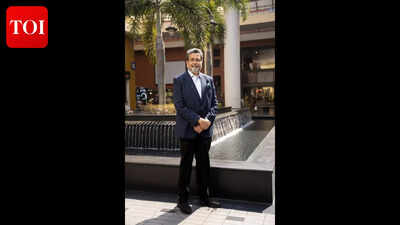
A lot of how Kolkata works, socialises and lives today, has been shaped by Harshavardhan Neotia. As Chairman of the Ambuja Neotia Group and a believer in design-led development rooted in people and purpose, he has left his imprint on some of the most iconic public and residential spaces in the city.
On the occasion of our 25th anniversary, the Padma Shri awardee shared his vision of an inclusive, progressive city where culture, commerce and compassion find the perfect balance. Excerpts. How do you think the city has evolved in the past few decades? What were the challenges in this transformation?A lot of the city’s peripheral areas have developed significantly. If you move further south toward Diamond Harbour or northward, and particularly toward Rajarhat and Sector V in Salt Lake, you see major new developments, especially IT complexes and office spaces.
The city has expanded at its edges.Parks and gardens are generally in much better shape now. Subhash Sarovar, for instance, has improved beautifully. The condition of roads and pavements has improved, and the city feels brighter with better lighting. Many heritage buildings, which once got lost in the clutter, now stand out at night because they are illuminated. That has encouraged night tourism, with people going out specifically to experience these lit-up landmarks.
As for challenges, a city is ultimately about people. Vibrancy comes from contributory activity. Cafes, restaurants, high streets and retail outlets all create energy. Government plays a role mainly through infrastructure. For instance, the drainage system has improved greatly. Earlier, waterlogging would last for days. Now, even if there is waterlogging for a few hours, it clears much faster. Water supply to households has also become more regular and of better quality.
These are important transformations.
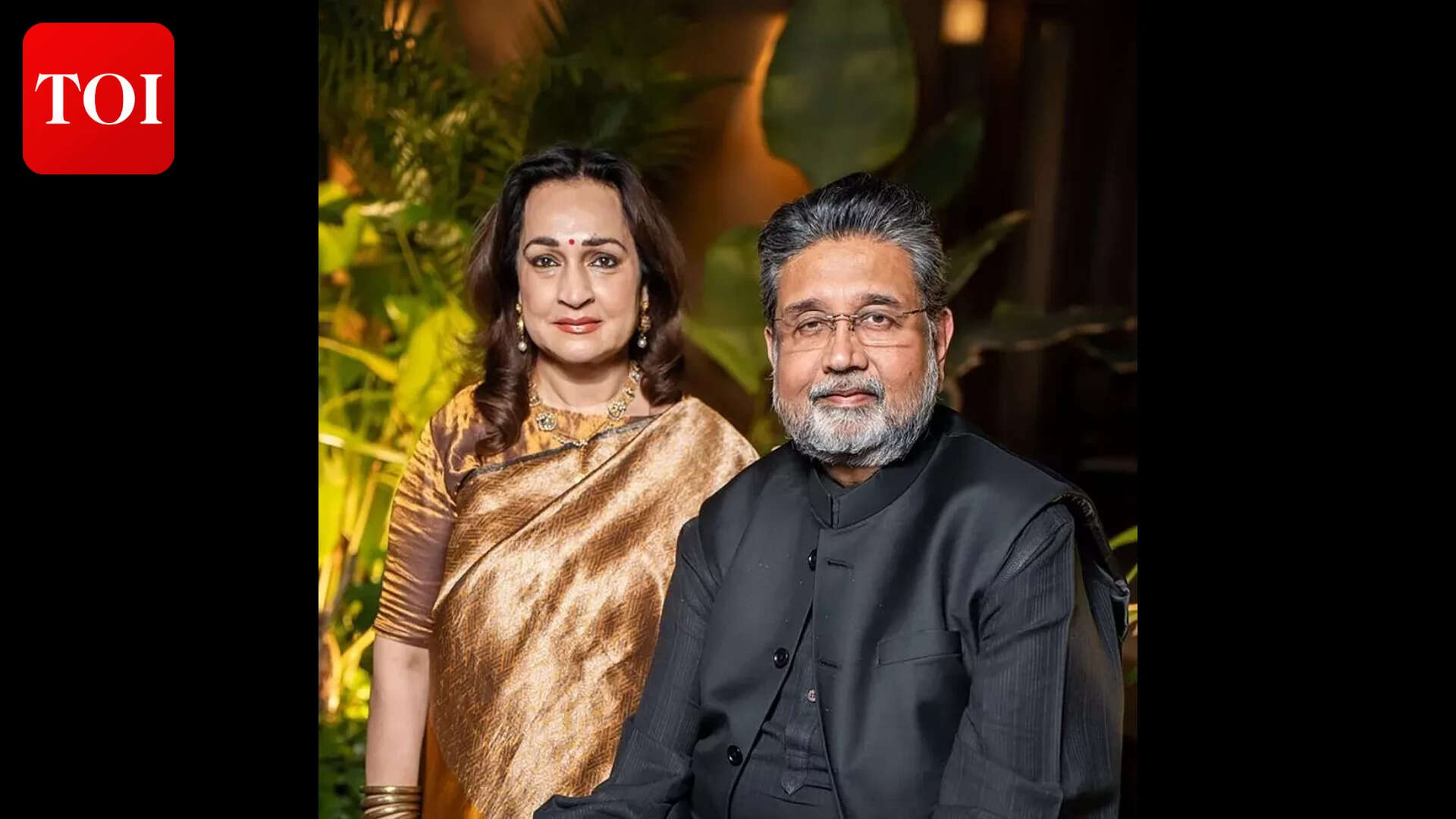
Harshavardhan Neotia with his wife Madhu Neotia, art patron and entrepreneur
At a time when people are quick to write Kolkata off, what gives you hope and faith in the city’s future?I may be biased. Kolkata is my home, my birthplace and my place of work. I feel it has a beautiful soul. A city is not just about buildings. It is about people, culture and the way we think.Kolkata is egalitarian, vibrant, cosmopolitan and inclusive. It can be argumentative, but it is not overly materialistic.
There is still space here for people with ideas, not just wealth. Affordable living is possible. The social life is less judgmental. People can be themselves and feel accepted. These qualities are deeply sacred to Kolkata and I see them thriving even today.Kolkata has always been considered the cultural capital. With the rise of the live event economy nationally, do you see scope for larger, more structured cultural infrastructure here?Large-scale infrastructure for events is difficult for individuals to create because viability is limited.
Big events happen only a few times a year, mostly during winter. So this has to be part of overall city development.Kolkata has already created impressive infrastructure like the Biswa Bangla Convention Centre, Dhono Dhanyo Auditorium, and the Milan Mela Prangan. We also have the Netaji Indoor Stadium, which continues to host major events. So we are not devoid of infrastructure. Of course, more can always be added.But equally important is the vibrancy of smaller initiatives. Theatre, intimate music conferences, literary festivals, the Kolkata International Film Festival, and Durga Puja itself as a cultural carnival. We now have multiple flagship events every year, and even initiatives like the Bengal Biennale. That cultural dialogue is what truly encourages me.On a personal level, what about Kolkata continues to inspire you?First and foremost, the people. Yes, we have a 300-year-old heritage and beautiful architecture.
But what inspires me most is that Kolkata remains a melting pot of cultures and thought processes. It is cosmopolitan, argumentative and intellectually alive.What are you looking forward to most in Kolkata’s journey ahead?I hope the city remains deeply rooted in its values while embracing modern trends, amenities and infrastructure.The completion of the metro corridors will be a game changer. It will make commuting comfortable, inexpensive and environmentally friendly, and help decongest the city.
Improved suburban roads and highways will also ease connectivity with the hinterland and neighbouring districts, boosting tourism and hospitality. There are important archaeological, cultural and natural sites around Kolkata that can benefit from this connectivity.
At the same time, we need economic growth. We need more investment, quality office spaces, data centres, GCCs and research in AI and robotics.
We have started that journey. There is a long way to go, but I am optimistic. Kolkata is often described as intense, where people lead with their hearts. How would you describe this emotional landscape?Every place has its own traits. Some people may feel exasperated by it, and that is understandable. Others will love it. Not every flower blooms in the same colour or season. A garden is beautiful because of its variety.
Similarly, societies and people are different. We should celebrate that difference rather than worry about it.
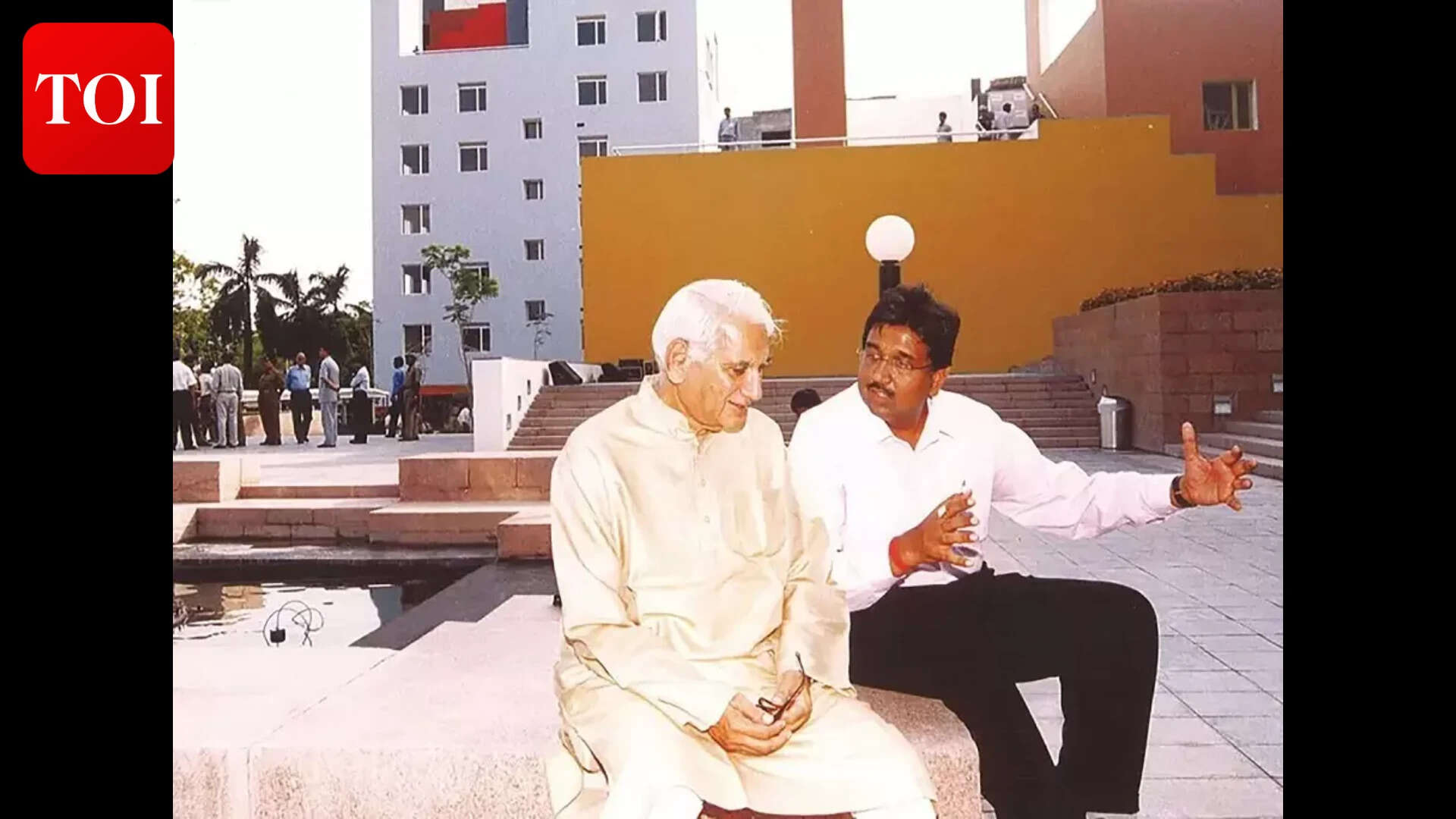
Harshavardhan Neotia, Chairman of Ambuja Neotia Group, with Charles Correa at City Centre Salt Lake Kund area
The Kolkata palette is both vibrant and mutedDurga Puja itself is a kaleidoscope of colours, says Harsh Neotia, seen above with legendary architect and urban planner Charles Correa. “But if I think of the city at large, I see two aspects. One is flamboyant and vibrant. The other is muted and restrained. Brick, stone and earthy shades define Kolkata for me. There is an understated elegance, “ he says, which influences his planning.
More can be added to the cultural infrastructure. But equally important is the vibrancy of smaller initiatives – theatre, intimate music conferences and literary festivals
Harshavardhan Neotia
Affordable living is possible here. Social life is less judgemental. People can be themselves and feel accepted. These qualities are deeply sacred to Kolkata and I see them thriving even today
Harshavardhan Neotia





 English (US) ·