

 1 hour ago
5
1 hour ago
5
ARTICLE AD BOX
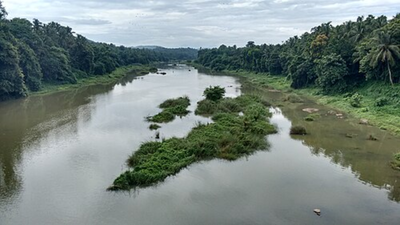
The Kunthipuzha River can be found nestled within the lush green landscape of Kerala. The Kunthipuzha River is commonly referred to as the "Silent River of India" because it runs across the Silent Valley National Park, which happens to be the only tropical rain forest in India that has not been disturbed by mankind.
Unlike other rivers in India that have been extensively used for various purposes, the Kunthipuzha River has been left untouched and is able to reveal to the world an ecosystem that has lasted for many years now.
Kunthipuzha River and Silent Valley National Park
Kunthipuzha River takes birth in the Western Ghats, one of the UNESCO-identified biodiversity hotspots, and runs across the Silent Valley National Park in the state of Kerala. This area is famous for its dense tropical evergreen forests, abundant wildlife population, and absence of humans.
As per the Kerala Forest Department, “Silent Valley is one of the most ecologically diverse regions in India” and is home to some unique animals like the lion-tailed macaque and Nilgiri langur.This river holds a significant place within this environment since it provides clean water resources to aquatic life forms and helps sustain the existing plant and animal life. Unlike other Indian rivers, which have been heavily contaminated due to the process of industrialisation and urban development, the Kunthipuzha River is surprisingly pure and clean owing to stringent measures adopted towards its preservation.
Why Kunthipuzha is called the ‘silent river’ of India
The name “Silent Valley” itself carries an interesting origin. Contrary to popular belief, the forest is not entirely silent. “Silence” generally refers to the absence of cicadas, which are known for their noisy chirps found throughout most tropical rainforests. But the complete silence of the area, along with the silent flow of the Kunthipuzha River, results in a very serene environment.Both environmentalists and scientists have always stressed the need for keeping the area silent. A research paper titled “India’s Silent Valley and Its Threatened Rain-forest Ecosystems” states that “habitats that remain undisturbed, such as Silent Valley, are necessary for ecological balance.”
Conservation efforts and ecological importance
Kunthipuzha's tale is inexorably intertwined with one of the most important environmental campaigns in India's history. In the 1970s, an initiative to build a hydroelectric plant in Silent Valley endangered the existence of its rich natural environment. Many scientists and activists fought against this project due to irreversible ecological damage.Their actions were fruitful, and the area was spared, becoming a national park in 1984.
It is important to highlight that the Ministry of Environment, Forest and Climate Change of the Government of India says that it was "a milestone in the conservation history of India." Currently, Kunthipuzha represents an example of successful conservation. "Free-flowing rivers are important in preserving biodiversity and ecosystem services."As the natural resources continue to be depleted in many parts of the world, the Kunthipuzha River stands out as an example of what man is capable of doing in conservation. The silence of its waters in the wilds of India is not just about geography but rather the importance of collaboration in environmental matters.









 English (US) ·