

 1 week ago
10
1 week ago
10
ARTICLE AD BOX
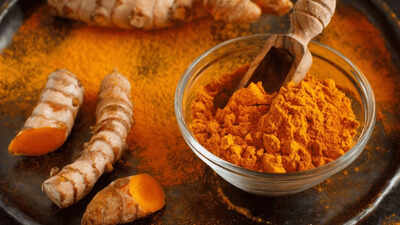
Even only a decade ago, almost nobody outside Meghalaya turned their heads if they heard the name of this particular spice from India — especially, given how territorial we are about Indian spices! But now? Even diplomats at the G7 Summit have heard its name! People far beyond India are curious about a golden spice from villages most couldn’t point to on a map.What are we talking about here?It’s the Lakadong turmeric.That’s all anyone can talk about after the Prime Minister Narendra Modi included it in the suite of gifts he shared with the world’s leaders at the G7 Summit this year, calling it the “golden ambassador of wellness.”So, what’s the deal with Lakadong turmeric?Let’s unpack.
Lakadong turmeric: The ‘golden ambassador of wellness’
Lakadong turmeric is not just another spice that grows wild and bright in the misty Jaintia Hills of Meghalaya. There’s some hard science, local tradition, and a bit of community determination baked into its story.
Local farmers have prized Lakadong for years, and its health buzz isn’t just marketing — its journey from these remote hills to the world stage really is about skill, knowledge, and a worldwide hunger for natural foods.Let’s start simple: Lakadong is named after a small village in West Jaintia Hills. Khasi and Pnar farmers have grown it for generations, passing down their know-how the old-fashioned way: one family, then the next.
The real deal about this spice is that Lakadong isn’t like everyday turmeric. It’s loaded with curcumin, the stuff that gives turmeric its bright color and its reputation for health benefits. Ordinary turmeric might have 2–4% curcumin, but Lakadong clocks in around 7–12%. That’s a lot. This one thing is why everyone from health food companies to scientists wants it — because it’s among the very best, naturally.
The ‘golden’ G7 moment: Why all eyes are on Meghalaya now
Lakadong has been building its reputation for a while, but being part of India’s G7 gift set changed the game.
When the Prime Minister slipped it into the diplomatic gift basket, it was more than just a nod to tradition. It was a statement about Indian biodiversity and centuries-old farming that’s still going strong.For Meghalaya, this isn’t just about fame. It’s a chance to spotlight a state that doesn’t often get international attention, and to show off how the Northeast fits into India’s push for unique exports. Lakadong turmeric is becoming the region’s calling card, a symbol of blending heritage with the kind of scientific clout global consumers want in their food.
Why Lakadong stands out: Bringing science, community, and heritage together
Let’s get geeky for a minute here.Curcumin is a polyphenol, and scientists say that it packs antioxidant and anti-inflammatory power. First of all, most turmeric you find on supermarket shelves has about 2–3% curcumin. Lakadong’s got three to even five times as much. That’s why anyone making supplements, health food, or herbal remedies keeps looking East towards Meghalaya.Researchers, even the Harvard Heath ones, have spent years exploring whether curcumin can help support joint health, reduce inflammation, or protect the body in various ways.Now imagine multiplying those benefits!If you’re going to pick turmeric, Lakadong is about as potent and pure as you can get. Plus, it just smells and tastes stronger, as there’s something earthy about it that supermarket turmeric can’t really match.
What's so unique about Lakadong?
It isn’t just chemistry making Lakadong special. There’s something about the soil and the weather in the Jaintia Hills: rich earth, rolling clouds, a cool climate, and a lot of rain.
Together with organic, old-school farming (mostly no chemicals, lots of manure and natural stuff), that landscape grows a spice that’s deep gold, almost orange, and rich in flavor.Farmers here treat turmeric a little differently. Most of them now grow it on raised beds so the roots don’t get soggy when it rains, which is a simple move, but it’s improved harvests and quality.The real story, though, is about the people who are doing the ploughing.Lakadong wouldn’t be a household name without the farmers and, especially, leaders like Trinity Saioo, per YourStory. com. As NDTV reports, a former schoolteacher from West Jaintia Hills, she helped encourage her neighbors to rethink their farming, work together, get organized, and reach bigger markets. With better connections and government support, thousands of farmers (maybe 14,000 by some estimates) now have a chance to earn more and keep their villages going.According to NDTV, Saioo, who was awarded the Padma Shri in 2021 for her contribution to promoting the spice and improving rural livelihoods, says, “Our farming practices have totally changed. We had stopped using traditional, organic methods like cow dung or goat manure and were largely using chemical fertilisers, pesticides, and insecticides. The Agriculture and Horticulture Departments have supported us tremendously to go organic, use biofertilisers and biopesticides.
”Saioo pushed for organic methods again, swapping chemical fertilizers for traditional ones, and started programs to give farmers tools for washing, slicing, and drying the turmeric right in their villages. That’s cut down the middlemen and helped local growers keep more of the profits“Now we have collection centres, common processing facilities, washing and slicing machines. We now have drying facilities too.
The ecosystem is steadily taking shape. We dream of having young people join our ranks of farmers. I always tell them farming can be a legacy profession,” Saioo added.She’s proud of the changes and often talks about how she hopes more young people see farming as a legacy, which is a real profession to be proud of.
Earning a GI tag: Lakadong’s flight to global fame
A huge milestone came in 2024, when Lakadong turmeric received its Geographical Indication (GI) status. Think of it like Champagne’s protected name in France or Parmigiano Reggiano in Italy.
This means only turmeric from this region can legally be called Lakadong. It’s great for farmers because it keeps copycats out and lets them command higher prices in the market.So, Lakadong going global in this year’s G7 Summit couldn’t be better timed. Demand for turmeric (largely for its health effects) has exploded. Global interest in plant-based foods, “clean” ingredients, and natural health kept climbing right as Lakadong got its GI tag and moment on the world stage.With its high curcumin and unique story, exporters see it as a premium product. Governments and farmer groups are now working harder than ever, so the economic benefits find their way back to rural communities instead of just big-city traders.
Meghalaya’s golden spice getting global recognition
What began as farming in remote corners of India is now a story of rural transformation, old wisdom meeting modern opportunity, and people who believe in what they grow. Lakadong turmeric is more than a health trend; it’s a symbol for a new kind of Indian export, where tradition meets science and community stays at the center.Darjeeling became famous for its tea. Kashmir for its saffron. Now, Meghalaya’s hoping Lakadong turmeric is next.As people worldwide get more interested in wellness, authenticity, and sustainable farming, it looks like this little golden spice from the hills still has its brightest days ahead.








 English (US) ·