

 1 hour ago
7
1 hour ago
7
ARTICLE AD BOX
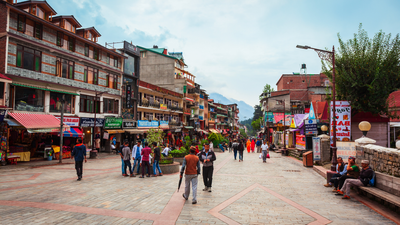
Summer vacations in India used to be pretty predictable. You'd pack up to beat the heat in Shimla, Manali, Mussoorie, or Nainital, while globetrotters flied to big-name spots like Venice, Santorini, and Bali.
Lately, though, a totally different mindset is changing how we see the world- anti-tourism.Don't let the name fool you, it doesn't mean staying home. It’s actually a booming movement urging vacationers to ditch chaotic, overstuffed tourist traps in favor of deeper, quieter escapes. Think of it as the ultimate pushback against overtourism, where a place gets slammed with more visitors than it can physically handle, stressing out the locals, wrecking infrastructure, and trashing the environment.These days, plenty of folks are swapping out massive tourist hubs for tucked-away valleys and sleepy villages, and India is right at the forefront of this shift.
Why are people ditching the hotspots?
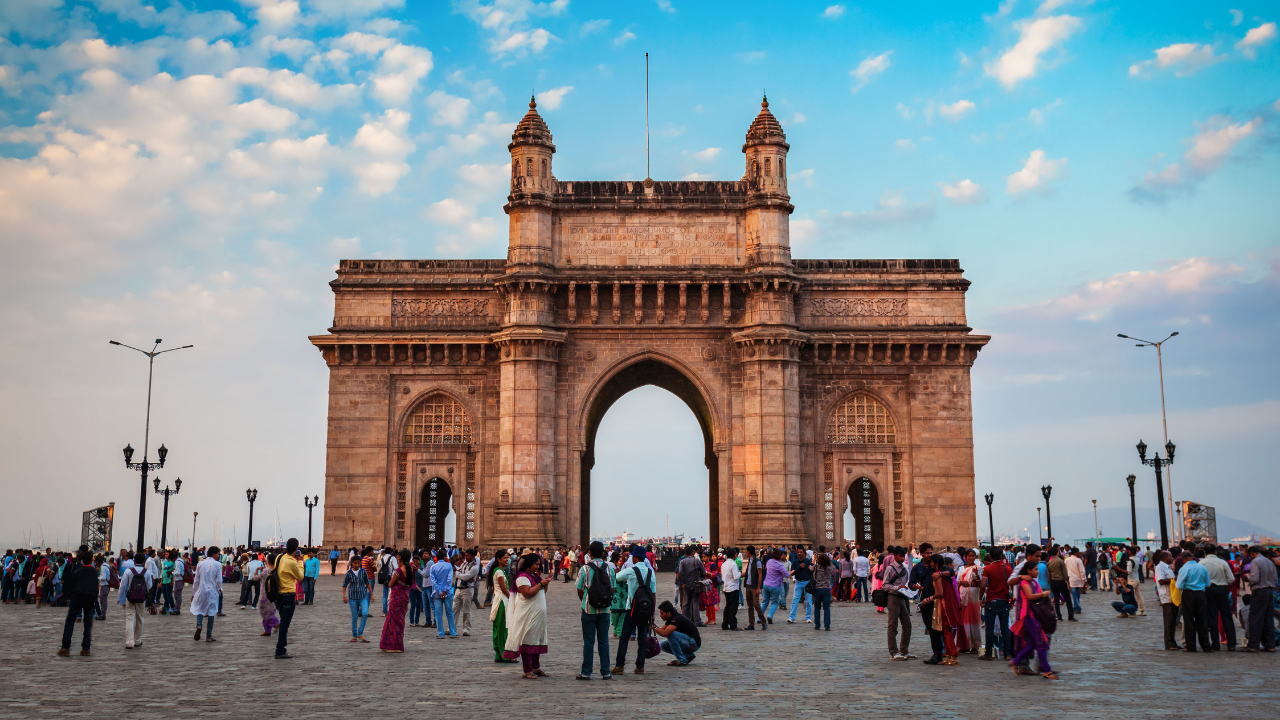
Image Credit: Canva
The biggest culprit is simply too many people. Thanks to social media blowing up certain spots, the reality of visiting them often involves sitting in traffic, standing in endless lines, paying inflated prices, and realizing the local charm is completely gone.
At the same time, we're getting a lot smarter about where our vacation money goes. Instead of handing cash over to massive corporate hotel chains, travelers want their trips to actually support the people who live there, local families, neighborhood guides, and independent artisans.Naturally, this mindset has fueled slow travel. It’s exactly what it sounds like, staying put in one place for longer, soaking up the local culture, and just refusing to rush.“I don’t mind going an extra mile for a peaceful experience. It’s already crowded in the cities, in vacations I want places with less humans,” says Sneh, a journalist in Delhi.
India’s growing anti-tourism wave
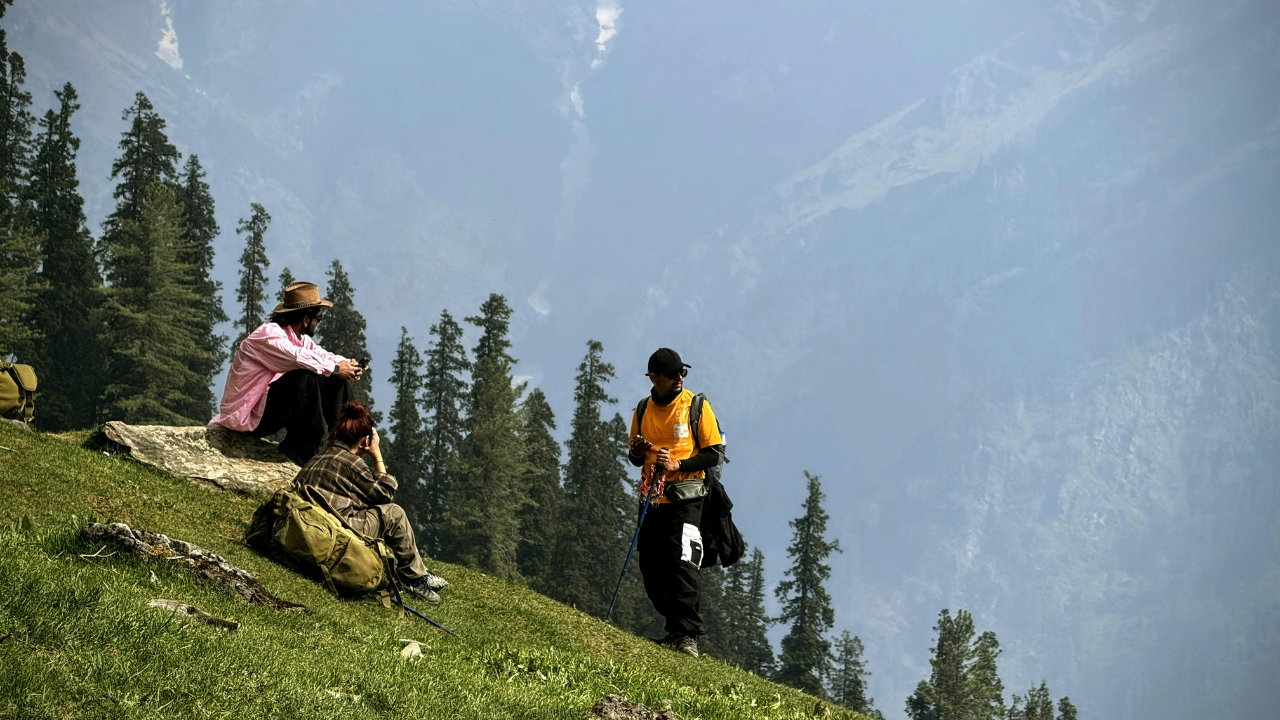
Image Credit: Canva
You can really see this playing out in the Indian Himalayas. Sure, heavyweights like Manali and Shimla are still pulling in massive crowds, but a huge chunk of travelers are now looking past the usual hill stations.Himachal Pradesh’s Sainj Valley is soaking up a lot of this new attention.
Tucked right by the Great Himalayan National Park, it’s all thick forests, traditional little hamlets, and homestays wrapped in nature. You won't find commercial chaos here, the whole vibe practically begs you to slow down, hike the mountain trails, and live like a local for a bit.Right next door is the Tirthan Valley, another massive hit for anyone craving absolute quiet. Hugging the clear waters of the Tirthan River, it’s famous for picture-perfect villages, trout fishing, and highly accessible nature hikes.
Forget about honking cars and jam-packed markets here, it’s all riverside cabins, home-cooked dinners, and taking things down a notch.
Traveling better, not farther
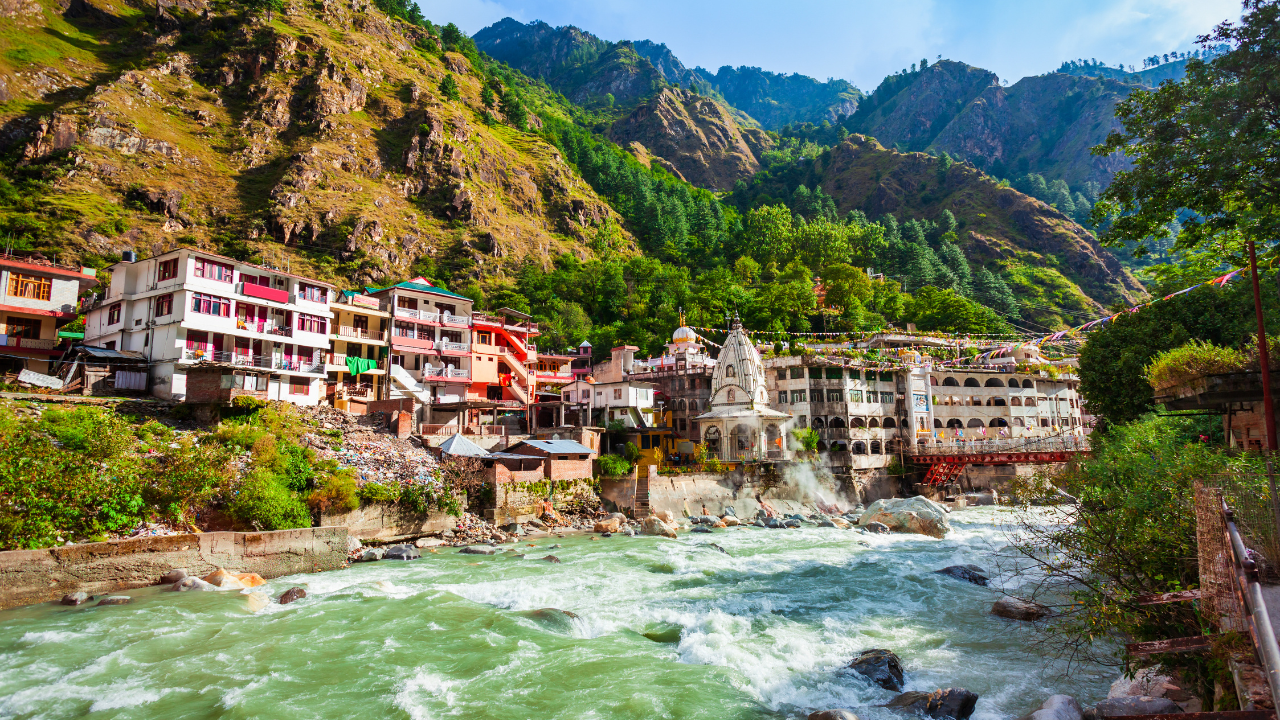
Image Credit: Canva
At its core, anti-tourism is about making sure a trip actually benefits a community. When you crash at a homestay, grab lunch at a tiny local joint, and hire someone from the neighborhood to show you around, your vacation money actually stays in the town's economy.“When I was in Odisha, I had heard about a hanuman temple on top of a steep hill.
Only the locals spoke about it. One morning I ventured towards the hill, asking locals the way, climbing it alone, and eventually reaching the top. I didn't see anyone there, but that's what I need to find myself,” says Pranjal Pandey, a travel enthusiast. A lot of people call this regenerative travel. Traditional tourism has a habit of bleeding local resources dry, but regenerative travel flips the script. The goal is to leave a place better than you found it by backing local jobs, protecting traditions, and encouraging responsible behavior.Interestingly, travelers are also getting incredibly picky about what they post online. "Gatekeeping" is becoming a real phenomenon, people are flat-out refusing to drop location pins or name the pristine spots they find so they don’t get swarmed by the internet. It might spark some arguments online, but it makes total sense when you look at the damage viral tourism can do.
A new chapter for travelers
This whole anti-tourism trend is proof that how we explore is fundamentally shifting.
Bouncing frantically from one famous landmark to the next is out. Authentic, highly personal trips that actually connect you to the locals are in.For Indian vacationers, that usually translates to skipping the chaotic hill stations and finding a hidden valley or a quiet village instead. It’s no longer about just proving you went somewhere, it’s about thoughtfully experiencing it.As overtourism keeps crushing some of the globe's favorite destinations, anti-tourism steps up as a totally different way to see the world. It prioritizes quality over a massive itinerary, human connection over crowds, and real moments over a social media checklist.







 English (US) ·