

 1 hour ago
4
1 hour ago
4
ARTICLE AD BOX
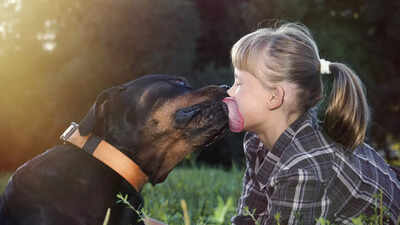
As the weather swings between extremes, pet owners need to stay vigilant. Vets recommend looking out for distress signals like a diminished appetite, low energy, or skin irritations. To keep pets healthy, ensure they have access to fresh water, avoid walks during the hottest parts of the day.
This year, what we call a seasonal transition is taking longer than usual. Winter is definitely gone, but we don’t quite know whether summer has set in. We feel hot and cold depending on the time of the day, or the places we are in.
An indoor office AC has some of us reaching for the shawl or a light jacket, whereas stepping out on the road makes us sweat— leading to colds, bodyache. But this strange weather affects pets more. Their bodies are far more attuned to nature than ours. This is the time you’ll notice your dog stretching out on the floor a little longer than usual. Your cat abandoning her favourite sunny window perch. The water bowls emptying faster.
But unlike us, pets don’t complain. They adapt. And sometimes, they endure. Dr. Krishanu Ghosh, veterinary physician, Kolkata, suggests ways to look out for signs of illnesses during seasonal transition and talks about preventive steps that can be taken.
The signs to look out for...
- Loss of appetite or reduced water intake: If a pet suddenly eats less or stops eating, it can indicate fever, infection, gastric upset, kidney issue, or heat stress.
- Vomiting, diarrhoea or excessive salivation: Frequent vomiting, loose stool, or drooling can suggest gastroenteritis, viral infections (parvo, distemper), food intolerance, or heat exhaustion.
- Lethargy, weakness or excessive sleeping: Unusual dullness, reluctance to walk/play, or weakness may indicate fever, dehydration, metabolic disorder, or systemic infection.
- Skin problems, itching, redness, hair fall: Continuous scratching, licking paws, bad odour, redness, rashes or hair loss commonly indicate fungal infection, bacterial dermatitis, tick/flea allergy, which are very common in warm humid weather.
- Panting excessively or difficulty breathing: Excessive panting even at rest, rapid breathing, or discomfort in hot weather may indicate heat stroke or heat stress, which requires immediate attention.
- Changes in urination or drinking behaviour: Very frequent urination, difficulty urinating, very dark urine, or drinking unusually high or low amounts of water may indicate urinary infection, kidney stress, dehydration or metabolic imbalance.
- Fever, shivering or abnormal body temperature: Warm ears, shivering, or sudden weakness may indicate infection or systemic illness.
- Eye or nasal discharge, coughing or sneezing: May suggest respiratory infection, viral disease, or allergy, which can flare during weather transition.
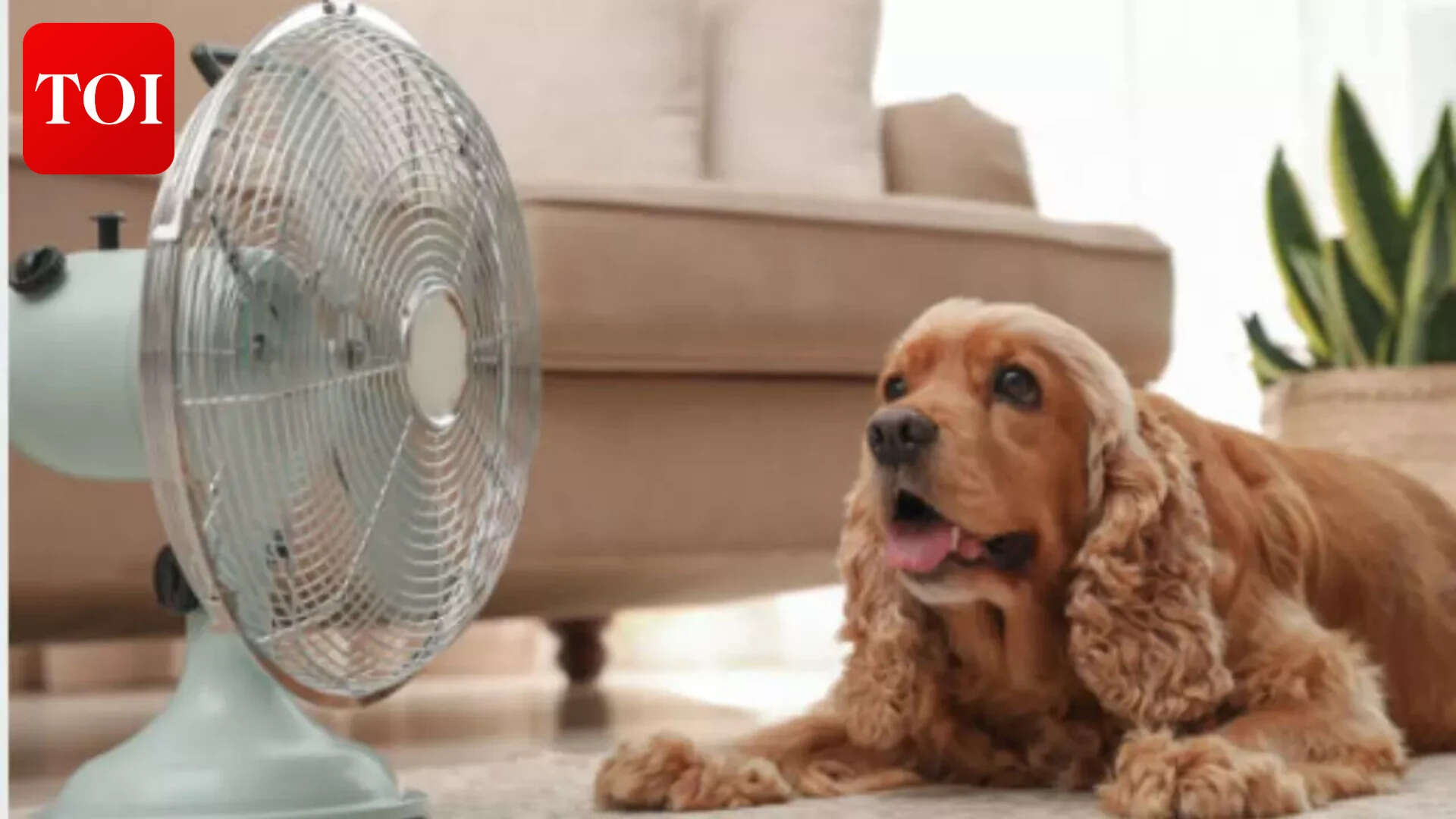
The seasonal change is affecting pets more than human beings. Provide plenty of water and cool surroundings (Image: iStock)
Now, let’s come to prevention
You can prevent heat stroke and dehydration by always providing clean drinking water, keeping pets in a cool ventilated place, and avoiding walks between 11 AM – 4 PM.
Never leave pets inside parked cars. Skin problems increase during the onset of summer too. Ticks, fleas, fungal and bacterial skin infections are very common in March–April. Regular grooming and timely anti-tick treatment is important. Viral and stomach infections rise during weather change, and seasonal transition can reduce immunity in our pets, leading to vomiting, diarrhoea, parvo, distemper etc.
Keep vaccination updated and avoid any sudden diet change.It’s essential to maintain proper diet with good moisture: include wet food or a balanced home diet with sufficient water content. Good hydration helps prevent kidney, urinary and digestive issues. And the most important part is to provide comfortable environment for our pets, to ensure cool resting areas and avoiding excessive heat exposure. Maintain good hygiene (baths at regular intervals and grooming as per your vet’s suggestions) to reduce stress-related illness.








 English (US) ·