

 48 minutes ago
5
48 minutes ago
5
ARTICLE AD BOX
5 min readChennaiUpdated: Jul 10, 2026 06:37 PM IST
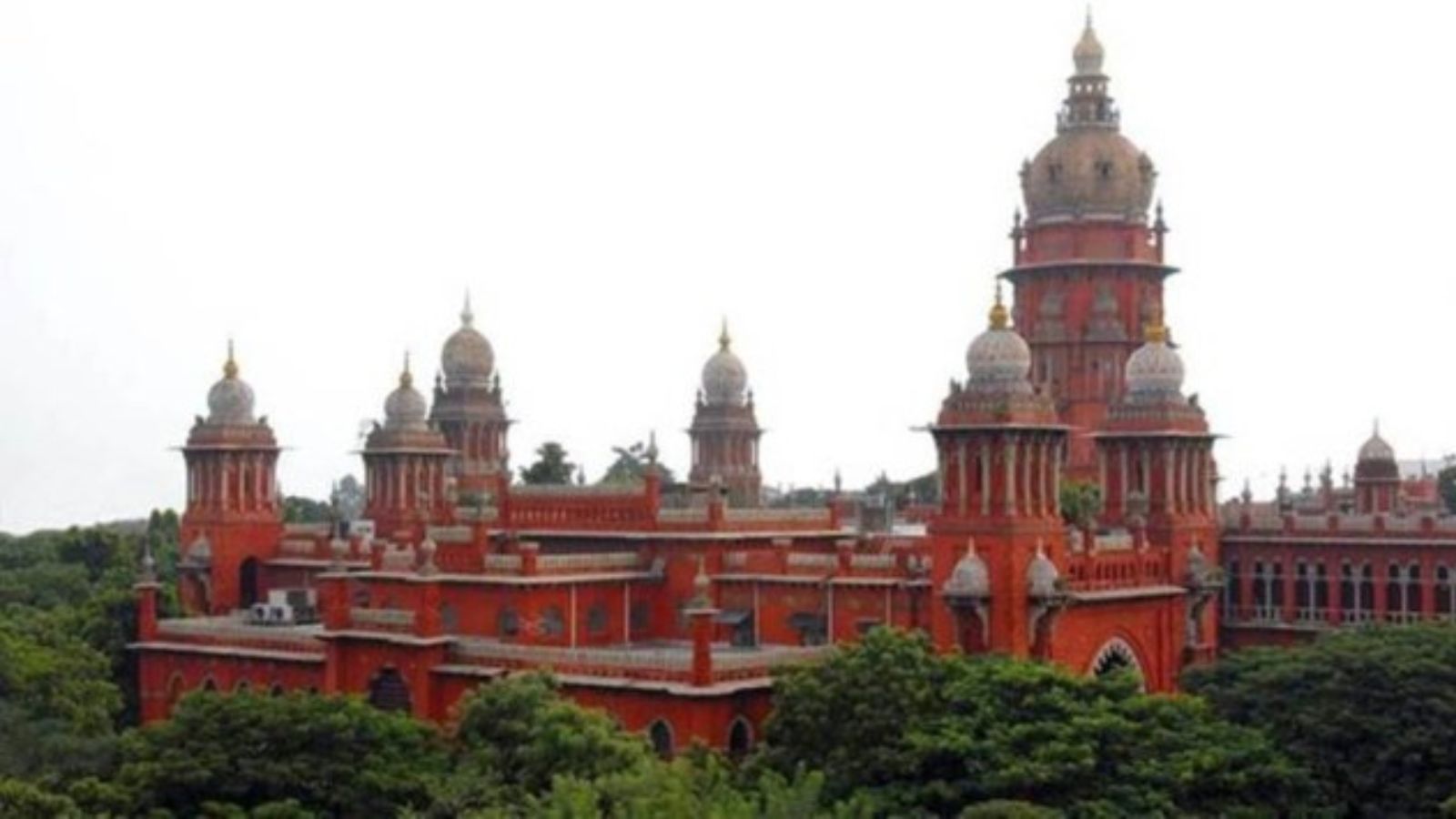 The Bench found prima facie support for that contention in earlier Supreme Court precedents. (File Photo)
The Madras High Court on Friday restrained the Election Commission of India (ECI) from issuing any notification for byelections to the Tiruchi (East), Perundurai, Ambasamudram, Viralimalai and Karur Assembly constituencies until July 31, holding that issues arising from pending election petitions required closer judicial scrutiny before any further electoral process could be initiated.
A Bench comprising Chief Justice Sushrut Arvind Dharmadhikari and Justice G Arul Murugan passed the interim order on a public interest litigation (PIL) petition filed by Tirunelveli-based advocate K Venkatachalapathy, who argued that the vacancies created by the resignation of the elected members could not automatically be treated as “clear vacancies” under Section 151-A of the Representation of the People Act, 1951 because the election of those members had already been challenged before the High Court.
The court directed all respondents to file comprehensive counter-affidavits within three weeks and ordered: “Till then, the first respondent/Election Commission of India is restrained from issuing any notification for byelection in respect of the constituencies, where the returned candidates resigned, as asserted in the writ petition.”
According to the petition, election petitions challenging the victories in all five constituencies seek not only to declare the returned candidates’ elections void but also seek a declaration that the respective election petitioners should themselves be declared elected. The petitioner argued that conducting byelections before those petitions are decided could create a constitutional anomaly by producing two individuals with competing claims to represent the same constituency.
The Bench found prima facie support for that contention in earlier Supreme Court precedents.
Quoting from D Sanjeevayya Vs Election Tribunal, the High Court observed that if a byelection is conducted while an election petition seeking a declaration in favour of another candidate remains pending, “there will be two candidates representing the same constituency at the same time… and an impossible situation would arise.” It further noted that the Election Commission “is not bound… to hold a byelection forthwith but may suspend taking action… till the result of the election petition… is known.”
The Bench also referred to subsequent Supreme Court rulings, including Election Commission of India v. Telangana Rashtra Samithi and Pramod Laxman Gudadhe v. Election Commission of India, which distinguished between vacancies where election petitions are pending and those where no such disputes exist. Summarising the legal position, the court observed that “a distinction must be drawn between two categories of vacancies” and that where an election petition seeking composite relief remains pending, “the vacancy cannot be treated as a ‘clear vacancy’ available for a bye-election.”
Story continues below this ad
During the hearing, Advocate General Vijay Narayan, appearing for the Tamil Nadu Legislative Assembly Secretary, argued that the dates on which the resignations took effect were significant. He contended that at least some resignations had been accepted before the corresponding election petitions were filed, and therefore the vacancies had arisen before any election dispute was pending. He sought time to file a detailed counter-affidavit on that issue.
Senior counsel G Masilamani, appearing for Chief Minister C Joseph Vijay, questioned the maintainability of the PIL and the petitioner’s locus standi. He argued that the Election Commission had not yet issued any notification for byelections and therefore the petition was premature.
Appearing for the Election Commission, counsel Niranjan Rajagopalan submitted that the Commission had not yet received notices in the election petitions and that several of them remained subject to maintainability and the curing of procedural defects. He contended that until those petitions crossed that stage, they could not automatically be treated as pending in a manner that barred the filling of vacancies.
Rejecting the preliminary objection on locus standi, the HC said that “in matters touching upon the purity of the democratic process, a narrow and pedantic interpretation of locus standi cannot be applied.” It added that “the premature holding of byelections not only inflicts an enormous drain on the public exchequer… but also risks a severe constitutional deadlock by potentially yielding two validly elected representatives for a single constituency.”
Story continues below this ad
At the same time, the Bench accepted that the Advocate General’s submissions regarding the dates of resignation and the filing of the election petitions required “deeper examination.” It has posted the matter to July 31 for further hearing after completion of pleadings.









 English (US) ·