

 1 week ago
5
1 week ago
5
ARTICLE AD BOX
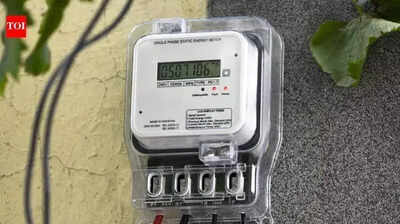
A large share of the new installations replaced defective meters that allegedly recorded incorrect or lower readings, say officials
Mumbai: Maharashtra on Thursday crossed the 1.50 crore mark in smart electricity meter installations, officials said, putting the state roughly halfway through its planned replacement of conventional electricity meters with advanced devices.According to officials, a large share of the new installations replaced defective meters that allegedly recorded incorrect or lower readings. The drive has also targeted “zero meters” — devices that were showing no consumption despite supply — with at least a thousand such meters replaced and now showing “correct readings”, officials said.The rollout is being carried out by state distribution company MSEDCL, Mumbai’s BEST undertaking and private utilities Adani Electricity and Tata Power.
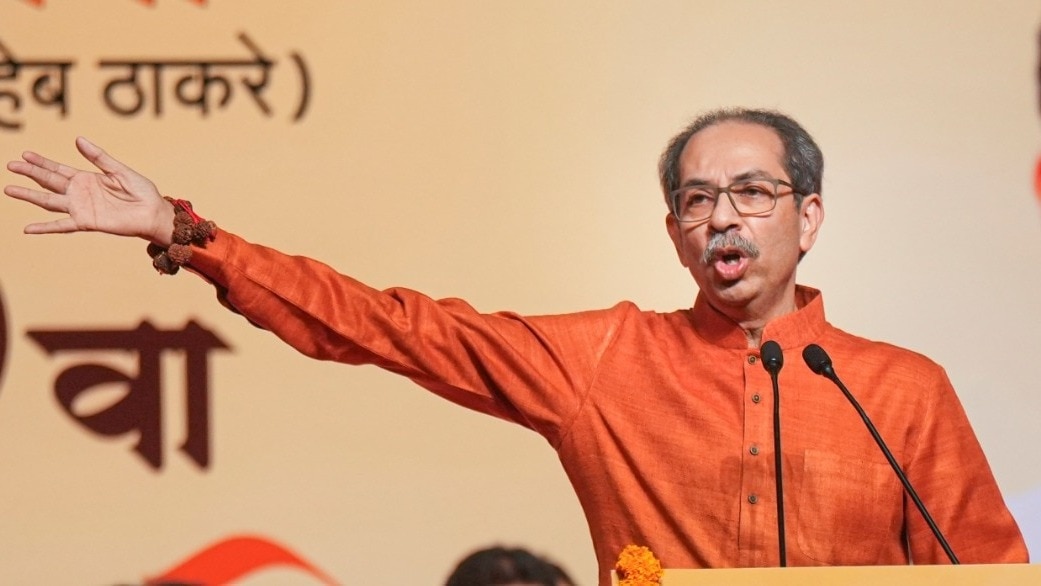
Officials clarified that the programme has not introduced prepaid meters so far.Even as the installation count rises, the programme has triggered pushback in parts of the state, especially Mumbai. Consumers have complained that smart meters are being installed “by force”, with allegations of “trespassing” and of utilities “not taking individual consumers into confidence”. In Mumbai’s island city, Shiv Sena (UBT) has taken up the issue, and at least a dozen FIRs have been filed by consumers, sources said.
The govt said it is stepping up outreach to address concerns and build awareness around the purpose of smart meters. Officials said consumers are being informed through social media messages, SMS alerts, visits to housing societies and public campaigns.Authorities and utilities have pitched smart meters as a tool to provide consumers greater visibility of consumption and help reduce losses in the power system.
With smart meters, users can track electricity use on an hourly, daily or monthly basis, view projected monthly consumption, compare usage with the past 12 months and benchmark consumption against nearby users, officials said. Consumers can also receive alerts for abnormal spikes in usage, enabling better control over consumption.On the utility side, officials said real-time monitoring can help detect theft, cut distribution losses, improve network efficiency and speed up identification of faults, potentially reducing outages and improving reliability. Utilities have also pointed to the possibility of “Time of the Day” tariffs in the future, under which consumers could shift consumption to lower-demand hours to save on bills.






 English (US) ·