

 1 hour ago
3
1 hour ago
3
ARTICLE AD BOX
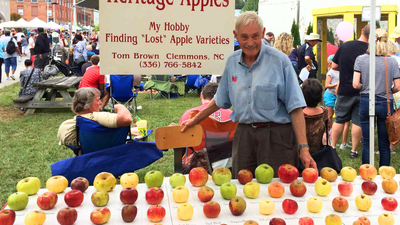
An apple a day keeps the doctor away, or so the old saying goes. But what we rarely consider is the extraordinary richness behind that simple fruit. For centuries, hundreds of apple varieties flourished across landscapes and communities.
Most have since disappeared. When one retired engineer stumbled upon what was being lost, he did not look away. Instead, he launched a mission to save it all.In an era when supermarket shelves are dominated by a handful of uniform fruit varieties, he set out to reverse a century of agricultural loss. Tom Brown, a retired chemical engineer from North Carolina, often referred to as the ‘Apple Hunter’, has spent more than two decades tracking down apple varieties that had all but vanished from cultivation.
What began as a chance encounter at a farmers' market grew into a nationwide effort to rediscover forgotten orchards, revive rare trees, and safeguard a fading agricultural heritage.Along the way, his work has brought back flavours, textures, and histories largely absent from modern diets, offering a glimpse into a time when apples were as diverse as the landscapes they grew in. His mission has also helped renew interest in heirloom farming, showing how individual effort can play a role in preserving biodiversity.
How Tom Brown start a 25-year apple rescue mission
Brown’s journey began shortly after his retirement in the late 1990s, when a visit to a farmers market in Winston-Salem introduced him to heirloom apples he had never seen before. Intrigued by their unusual names and distinct tastes, he began speaking with growers and collectors who warned that many traditional varieties were disappearing. What started as curiosity quickly turned into purpose, as Brown began documenting names, locations, and stories tied to these apples, setting the foundation for a mission that would span decades.At the start of the 20th century, the Appalachian region alone supported thousands of apple varieties, each adapted to local conditions and tastes. Over time, commercial farming narrowed that diversity to a small number of standardised types chosen for durability and uniform appearance. As a result, countless varieties were abandoned, and many were believed to be lost entirely. Brown recognised that without deliberate effort, this genetic and cultural diversity would continue to fade.Brown committed himself fully to the search, travelling extensively across rural communities in the eastern United States. He relied on old records, local knowledge, and chance encounters to track down surviving trees. Many were found in unexpected places such as isolated farms, overgrown fields, or private backyards. His work required patience and persistence, often involving long journeys and conversations with people who held fragments of forgotten agricultural knowledge.
Rediscovering and preserving rare varieties
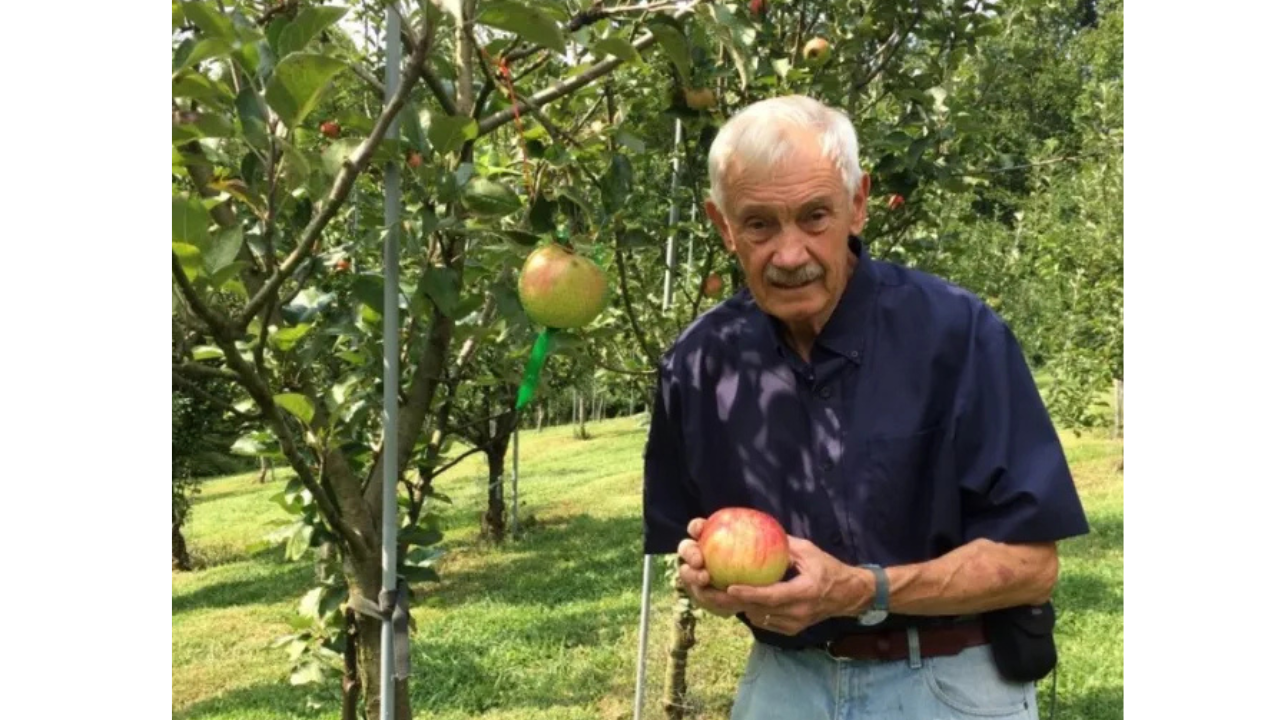
Finding a tree was only the beginning. Brown developed the skills needed to preserve each discovery, using grafting techniques to clone and grow new trees from old ones. Through this process, he ensured that rare varieties could survive beyond a single ageing tree. Over the years, he successfully brought back more than 1,200 apple varieties, many of which had not been cultivated or tasted for generations.To safeguard these discoveries, Brown established an orchard where hundreds of varieties are maintained.
This space serves as a living collection, allowing different apples to be grown, studied, and shared. It also protects valuable genetic traits that could be important for future farming, particularly in the face of changing climates and agricultural challenges.Brown extended his efforts beyond his own orchard by encouraging wider participation. By making young trees available to the public and supporting preservation initiatives, he helped create a network of growers interested in maintaining heirloom varieties.
This approach has allowed his work to spread, ensuring that these apples continue to survive in multiple locations rather than a single site.
A broader impact on food culture
The revival of these apples has influenced how people think about fruit and flavour. Growers, chefs, and cider makers have shown increasing interest in heirloom varieties for their distinctive qualities. This renewed attention has contributed to a broader appreciation of traditional agriculture and the diversity it once offered.
Preserving more than just fruit
Each apple variety carries a story shaped by the region and people who cultivated it. By saving these trees, Brown has helped preserve a part of cultural history that might otherwise have disappeared. His work highlights the importance of protecting not just crops, but the knowledge and traditions connected to them.Through sustained effort and dedication, Brown’s mission demonstrates how one individual can make a lasting contribution to conservation, ensuring that the richness of the past remains available for future generations.








 English (US) ·