

 39 minutes ago
4
39 minutes ago
4
ARTICLE AD BOX
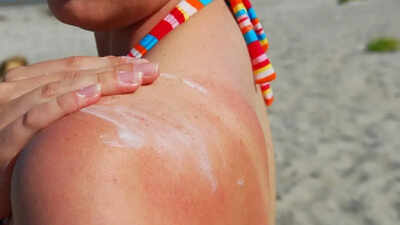
Just as summer gets going, the UK faces more than one scare: a temperature rise due to the heatwave and its severe impact on the skin. Melanoma skin cancer, the deadliest form of skin cancer, has already reached record levels in the UK.
Experts warn thousands more people could face diagnosis in the next few years unless we get better at prevention and early spotting.Cancer Research UK says melanoma cases topped 20,000 for the first time — 20,980 people were diagnosed in 2022. They expect that number to jump to around 26,500 by 2040.Why such a steep rise, though? It’s a mix of more sun exposure, tanning beds, and an ageing population. Nearly 90% of melanoma cases can be prevented, say health pros, but people still underestimate the danger.For the unversed, melanoma starts in the melanocytes, the pigment cells in the skin. Unlike other skin cancers, it can spread fast if you ignore it. But if you catch it early, treatment works way better. That’s why doctors keep hammering the same point: notice any warning signs right away.Now, a big myth is that melanoma only hits older folks or sun worshippers. Anyone can get it, but some are at higher risk — people with fair skin, light eyes, freckles, blonde or red hair, or who’ve had bad burns before.
Also, having lots of moles, a family history of melanoma, or a weak immune system raises your chances.Per Mayo Clinic, doctors worry most about those sudden, intense bursts of sun — like on beach holidays or during heatwaves. A couple of rounds of serious sunburn in childhood or as a teen can set you up for melanoma years later.And sunbeds? That’s still a problem. They’re just as risky as baking in real sunlight.
What should you actually look for?
The main early sign is a new mole or changes in an old one. Dermatologists use the “ABCDE” rule:A: Asymmetry: One side doesn’t match the other.B: Border: Edges are uneven or blurry.C: Colour: Weird shades, or more than one colour in the mole.D: Diameter: Bigger than 6mm (about the size of a pencil eraser).E: Evolving: Changes in size, shape, colour, texture, or how it feels.But melanoma doesn’t always show up as a dark mole. Sometimes it’s pink, red, skin-coloured, or looks like a scar. Also watch for sores that won’t heal, itching, bleeding, scaling, or tenderness.Too many people wait, thinking it’s nothing. That delay can be dangerous, as melanoma is so much harder to treat once it spreads.Per The Guardian, Michelle Mitchell, Cancer Research UK’s chief executive, recently urged folks not to ignore strange skin changes, and to see their GP if something doesn’t look or feel right.
What should you do once you spot the signs?
With cases rising, there’s a fresh debate about sunscreen habits. But UV rays get through clouds, so skin damage can happen even on cooler days.Doctors recommend sunscreen with at least SPF 30, broad spectrum, and reapply every couple of hours, especially after swimming or sweating. Don’t skip hats, shades, and staying in the shade during the worst midday hours.Health charities say everyone should do skin checks once a month, including places you don’t usually show, like your back, scalp, feet, and behind your ears.Tech may help, too. Clinics now use AI mole-mapping systems to track changes over time, but remember: gadgets support doctors, they don’t replace them.Despite worrying numbers, melanoma is easily preventable. Small habits like wearing sunscreen, avoiding sunbeds, and noticing skin changes really do save lives.As Britain heads into another hot summer, health experts keep it simple: enjoy the sunshine, but respect it. Catching a small change today could mean avoiding a much bigger problem tomorrow.








 English (US) ·