

 49 minutes ago
7
49 minutes ago
7
ARTICLE AD BOX

In Marc Jacobs’ The Scene, a short film starring, written and directed by Rachel Sennott, the bag is not the subject of the narrative. It is simply a character within it / @marcjacobs
Ahead of its Spring/Summer 2027 menswear show in Milan, Louis Vuitton unveiled a 75-second micro-film on Instagram. Directed and narrated by Ebony Beach Club founder Brick Howze, the teaser uses water as the central motif, setting the tone for Pharrell Williams' latest collection.
In April, Marc Jacobs leaned into the trend with The Scene, a short film starring, written and directed by Rachel Sennott, following the actor racing across New York in a bid to land a Met Gala invitation. Last year, Loewe released Say Yes to Love, a viral micro-drama for China's Qixi Festival, starring Chen Duling and Chen Zheyuan.More and more luxury brands are swapping traditional advertisements for bite-sized narratives.
Jewellyn Alvares, head of department, School of Fashion & Costume Design of an educational institution, tells us, "As consumers increasingly engage with short-form and vertical content, luxury brands are adapting their narratives to meet audiences where they are. Micro-series offer an immersive yet accessible way to build aspiration, cultural relevance, and ultimately drive consumer engagement.
"
What are micro-dramas?
Micro-dramas are bite-sized, mobile-first stories designed to be watched vertically, lasting just over 30 seconds to a few minutes with fast-paced plots tailored to short attention spans.
According to technology research firm Omdia, global micro-drama revenues touched $11 billion (around ₹945 billion) in 2025 and are expected to reach $14 billion (around ₹1.2 trillion) by the end of 2026. Originating in China, the format has since spread globally, with the US now emerging as its largest market outside China.
From 'cheap' content to luxury storytelling
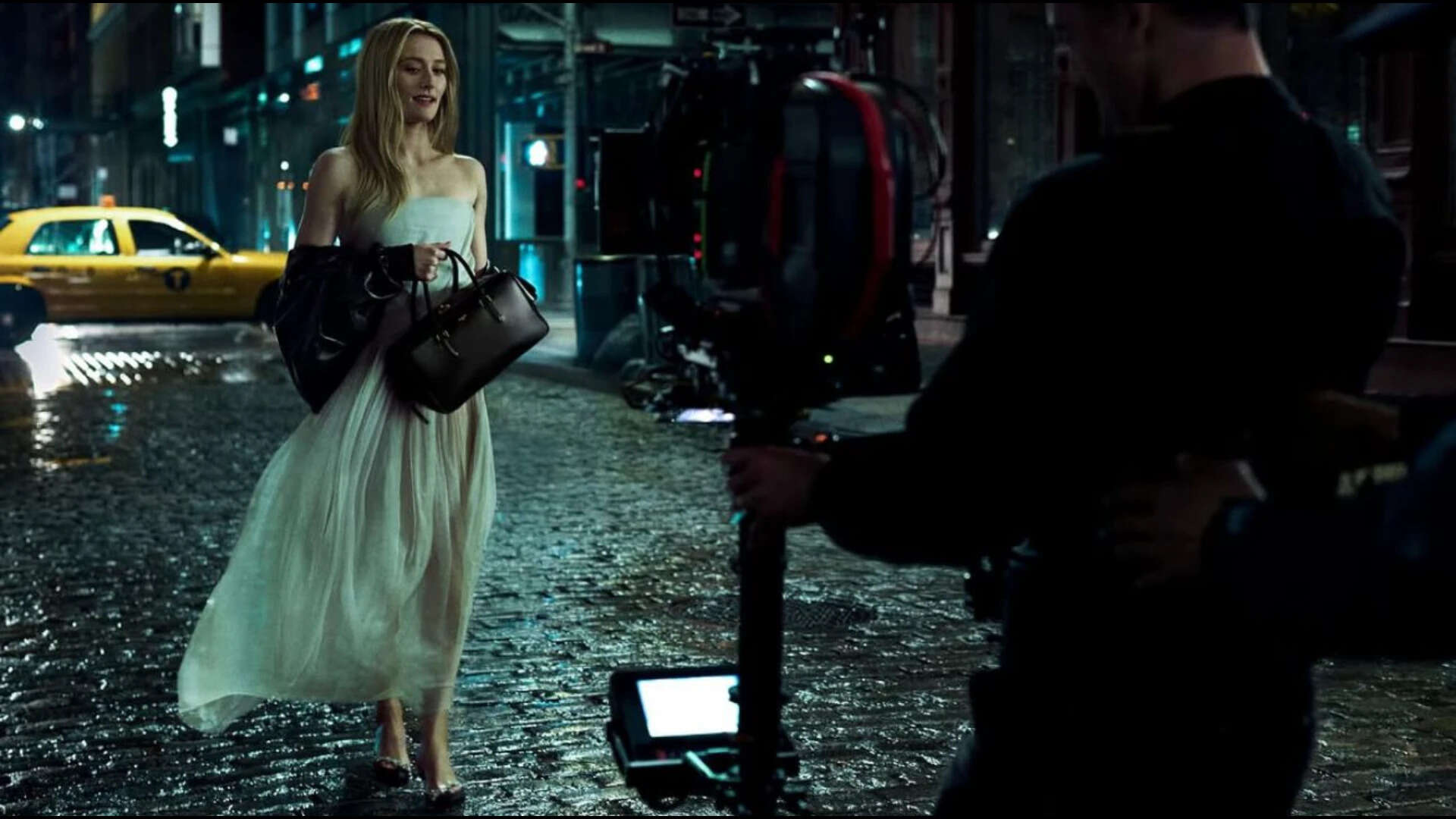
In May 2026, Balenciaga released A New York Minute, a three-part, three-minute film directed by Oscar-nominated filmmaker Celine Song starring actor Sarah Pidgeon. The campaign spotlighted the House’s Le City, Le 7 Bowling and Rodeo bags from the Fall 2026 collection / @Sarah Pidgeon
Initially dismissed as cheesy and ‘brain rot’, micro-series have become impossible for luxury brands to ignore.
They need new cultural entry points that feel native to how younger audiences discover and share brands.Saurabh Sankpal, a luxury brand consultant and creative strategist, shares, "Luxury cannot afford to take a back seat. The cultural grammar of how people consume stories is shifting. The attention economy has restructured itself around vertical, mobile-first video. Platforms like ReelShort, DramaBox, and TikTok's PineDrama app have shown that audiences willingly consume serialised stories in 60-120 second episodes.
”Debraj Sengupta, luxury marketing expert, believes consumers have also become increasingly resistant to overt advertising. “The moment a piece of content reveals itself as an advertisement, it has already lost. The shift from interruption (caused by advertisements) to invitation (by micro-series through gripping storylines) is now a behavioural reality luxury brands can no longer treat as optional."Since consumers seek authentic storytelling, luxury brands produce cinematic content, which is different from disposable micro-dramas. “The production quality is cinematic. Product integration is ambient, not interruptive," explains Sankpal. "In The Scene, the bag is not the subject of the narrative. It is simply a character within it."
Luxury brands deliberately distance themselves from the AI-assisted, intentionally melodramatic style associated with mass-market micro-dramas to maintain their position and status as ultra-premium and exclusive.
Luxury has always thrived on aspiration, and micro-dramas bring that into today's attention economy. They help brands attract younger audiences through storytelling instead of advertising, while giving existing customers a fresh, contemporary way to experience luxury's familiar codes of exclusivity, desire and craftsmanship
Jewellyn Alvares, HoD, School of Fashion & Costume Design of an educational institution
Producing these films isn't cheap. According to Sankpal, a standard micro-drama typically costs around ₹60-70 lakh per episode, while luxury productions command significantly higher budgets because of celebrity talent, premium locations, fashion film-quality production and large-scale social media distribution.
Even then, they often generate longer, voluntary engagement than conventional advertising.
Winning Gen Z before they become buyers
Gen Z may not yet have the purchasing power to buy luxury goods, but they shape trends and cultural conversations. "The goal isn't immediate sales but building long-term desire," says Sankpal. Micro-series serve as the content equivalent of an entry-level luxury product like a lipstick, helping brands build emotional connections early for bigger purchases in the future.
The new language of advertising
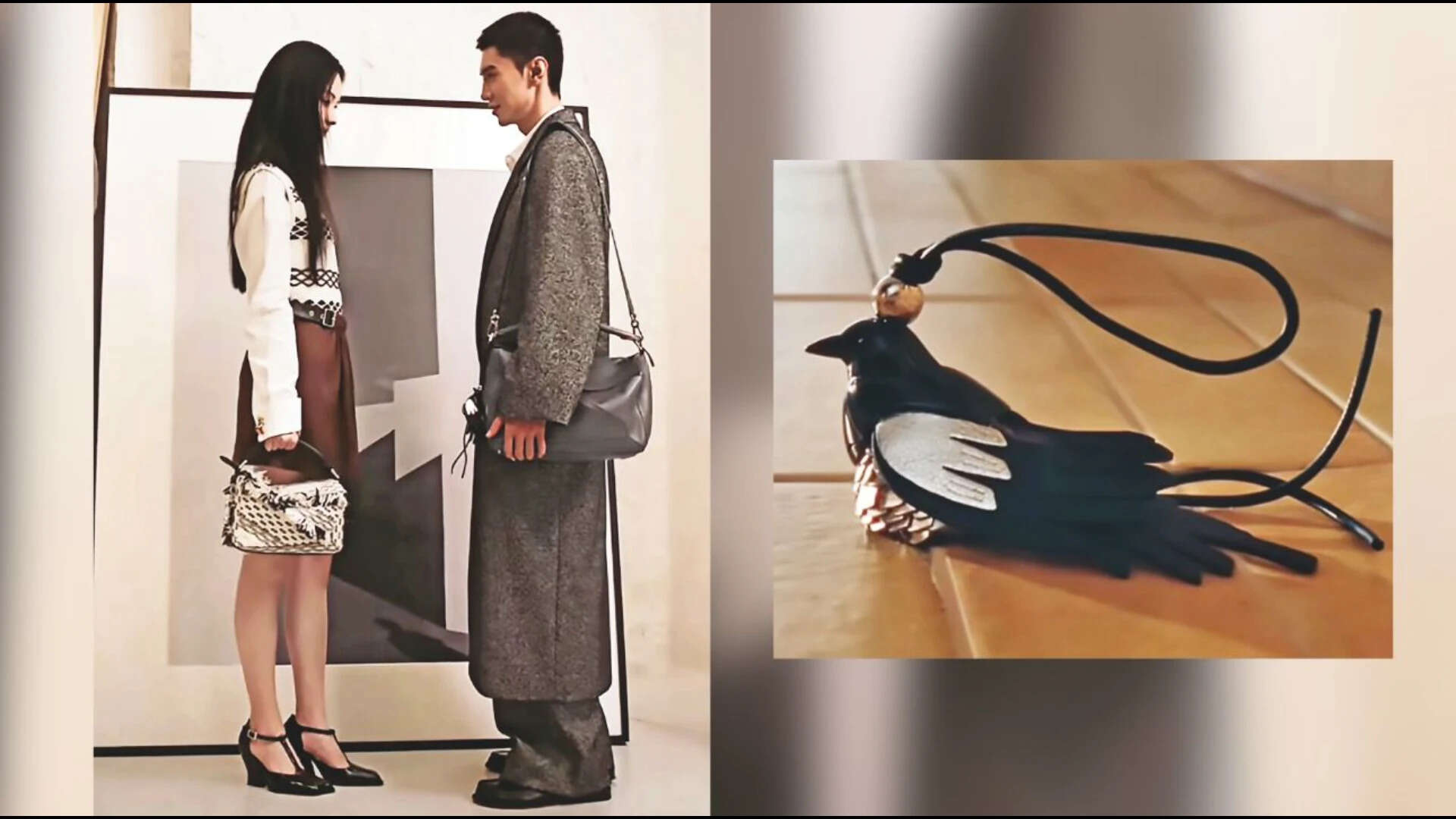
Loewe tapped into the micro-drama trend with Say Yes to Love, a short series released for China’s Qixi Festival in 2025. The 45-second episodes follow a budding romance centred on the brand’s magpie bag charm
According to a survey carried out by Clutch, a B2B ratings and reviews platform, in September 2025, 93% of consumers actively skip ads. This indicates that the language of advertising is changing.Sengupta says micro-series succeed because viewers choose to spend time with them. "A well-made micro-drama doesn't push a product; it invites audiences into a story. The brand becomes part of the emotional memory rather than the sales pitch. Traditional advertising explains why a product matters. A micro-drama shows why it mattered to a character the audience already cares about."
Micro-series inverts the traditional model of how advertising operates. The brand does not directly speak to the audience. It creates a narrative world that the audience enters voluntarily. The viewer spends three minutes inside a brand's universe and emerges with an emotional residue that makes the brand feel relevant and culturally fluent
Saurabh Sankpal, luxury brand consultant & creative strategist





 English (US) ·