

 1 hour ago
6
1 hour ago
6
ARTICLE AD BOX

In India, milk has always been a big part of daily life. It is one of the most popular foods in the country, from morning tea to children's meals. India is also the biggest producer of milk in the world.
This shows how strong its dairy ecosystem is and how much demand there is for milk. But with this quick growth comes an important question: Are our dairy standards changing quickly enough to keep quality and safety high?The dairy supply chain in India is very big and broken up at the ground level. It includes small farmers, local collectors, cooperatives, private dairies, and people who sell milk. This network makes it possible to produce and access things on a large scale, but it also makes it easier for quality to be lost at many points.
It's not easy to keep things consistent across such a large system.Over the years, the rules and regulations have gotten better. Standards set by groups like FSSAI have made a basic level of safety and quality. There are rules for periodic inspections, licensing, and testing. The problem, though, isn't that there aren't any standards; it's that they aren't being used the same way throughout the whole supply chain.
In places where there is a lot of demand, like cities and suburbs, pressure on supply often leads to shortcuts. Some people add things to milk to make it last longer or make it bigger, which can make it less safe. While these kinds of practices may not be common among organized players, they are harder to keep an eye on in parts of the market that aren't as formal or regulated. Regulatory frameworks have gotten better over the years.
Standards set by groups like FSSAI have made a basic level of safety and quality. There are rules for periodic inspections, licensing, and testing. The problem, though, isn't that there aren't any standards; it's that they aren't being used the same way throughout the whole supply chain.
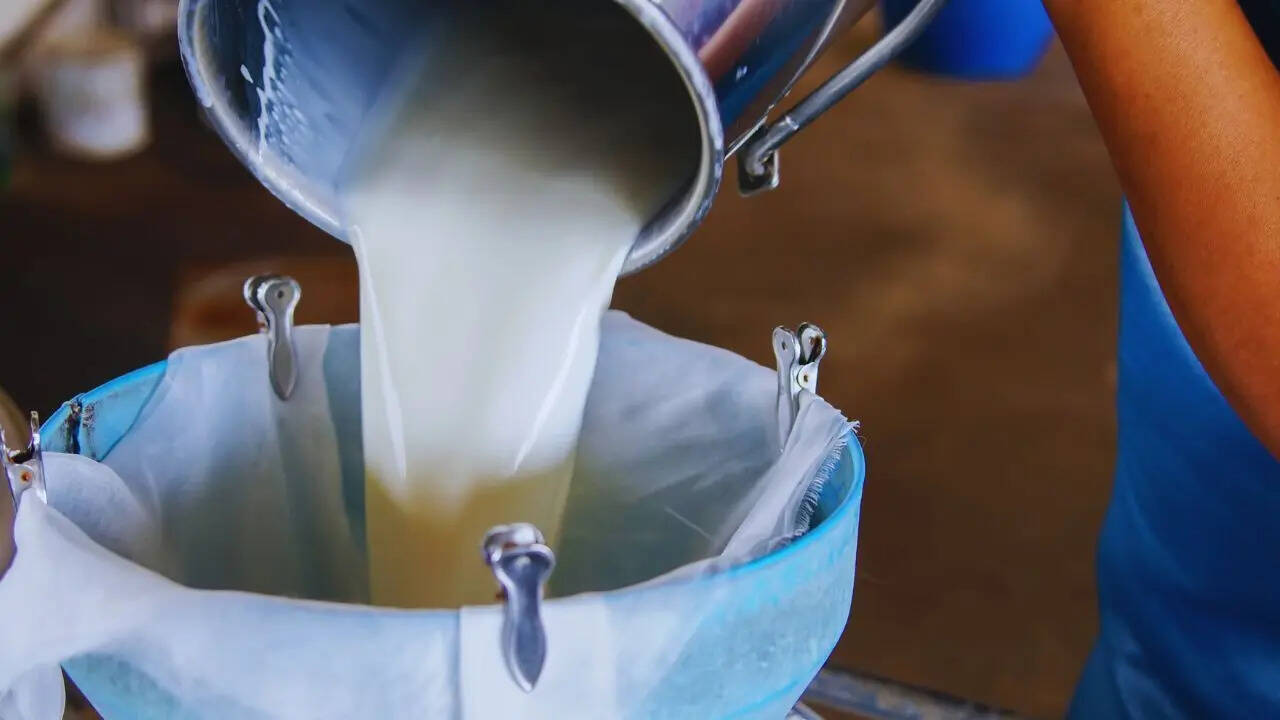
The time it takes to check something after it has been eaten is one of the biggest gaps today. Most of the time, traditional ways to test milk are done in a lab.
It takes time to collect samples, send them for analysis, and get the results. By the time a problem is found, the milk has already been drunk. This means that the system reacts instead of stopping things from happening.A reactive approach isn't enough for a country like India, where millions of people drink milk every day. There needs to be a change toward quality checks that happen in real time or close to real time at many points in the supply chain, from buying to shipping to the customer.
The time it takes to verify something after you use it is one of the biggest gaps today. Most of the time, traditional ways to test milk are done in a lab.
It takes time to collect samples, send them for analysis, and get the results. By the time a problem is found, the milk has already been drunk. This means that the system reacts instead of stopping things from happening.Easy food testingTechnology will play a huge part in the future of food safety, especially in an area with such high-volume sales like milk.
One way to do so is to make food testing easier to access and more user-friendly. Technology that provides on-site testing solutions, fast diagnostic testing methods, and in-the-field quality checks can help bring confidence to the markets by establishing a link between confidence in a product and its ability to meet safety standards.Decentralized quality managementQuality monitoring can be made much easier if it is done through a decentralized model of testing rather than relying solely on traditional central testing locations.
For example, if farmers, collection centers, dairy operators, and consumers all had the ability to perform basic quality checks of the milk at different points of the milk supply chain, traceability and accountability within the milk supply would be greatly improved.
Farmers and dairy operators would also be less dependent on delayed laboratory testing results because they will be able to perform their own routine quality checks.For all of the players in the food industry, this shift from central to decentralized models of testing is not only about achieving compliance, but also about building trust between producers and consumers. As the demand for dairy increases, brands and dairy operators need to focus not only on producing dairy to meet that demand, but also on providing consumers with confidence in the quality of what they are buying by offering transparency throughout the entire milk supply chain.Equally, different segments of the dairy market exist within India. While much of the supply chain functions through a small number of well-established organised players, there exists a large and diverse number of unorganised independent operators. The presence of two distinct supply chain models calls for an approach from any proposed effort to improve standards that accounts for both the diversity in the market and takes into consideration building solutions that are both scalable and simple to implement.While food safety has traditionally been the responsibility of both government regulators and industry participants, consumers must also be included in the discussion around milk safety. Like air and drinking water, people today are becoming educated about the safety of the food they consume, and food safety will soon become a common factor in many people's lives.The key question looking forward is not whether or not India can meet growing demand — of course it can; but rather, is the quality and safety of milk going to continue to keep up with the increased demand? Improving the quality of standards associated with the production of milk encompasses more than just implementing stricter production guidelines; it also covers improving existing systems, having quicker verification that standards have been met, and increasing the level of transparency that exists throughout the dairy supply chain.Trust is incredibly important when it comes to milk; however, trust must be validated through a combination of consistency and verifiability.The article has been contributed by Dhruv Tomar, Founder PaperPro ( M Lense Research )






 English (US) ·