

 1 hour ago
6
1 hour ago
6
ARTICLE AD BOX
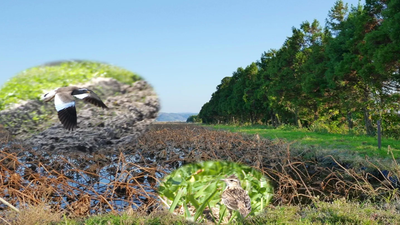
Image shows shelterbelt research site. Birds have been digitally added to the image for illustrative purposes. Image Credit: Hiroshima University
Tree planting is often used to increase biodiversity on farms. But findings from a study in Japan show that its impact can vary depending on the ecosystem and the plants used.The researchers found a substantial drop in the number of grassland birds in farmland wetlands near shelterbelts of trees. According to the study published in the Journal of Environmental Management and reported by ScienceDaily, the number of grassland birds near shelterbelts of trees declined by more than 70 percent compared with open farmland one kilometer away.A shelterbelt is defined as a narrow strip of trees around agricultural lands.Where the research took placeThe research took place in agricultural wetland ecosystems located around Lake Kahokugata in central Japan. The habitat consisted of rice paddies, lotus beds, cultivated land, and pastureland. It was an agricultural ecosystem.The location was also situated within the East Asian-Australasian flyway, which acts as the migratory route for birds throughout Asia and the Pacific regions.
Surveys were carried out in the years 2021 and 2023, where there was a comparative analysis between bird species found in farmland plots that had shelterbelts next to them and farmland plots that lacked any tree line nearby.Difference in bird numbers and typesThere was a distinction in the number and type of birds based on the proximity of the bird shelters.Birds adapted to feed and nest in open grasslands were fewer in number around the shelter belts. Their numbers were reduced by more than 70 percent compared to the open agricultural fields.
Shrub and edge birds were present near the bird shelters. The results were published in the Journal of Environmental Management.
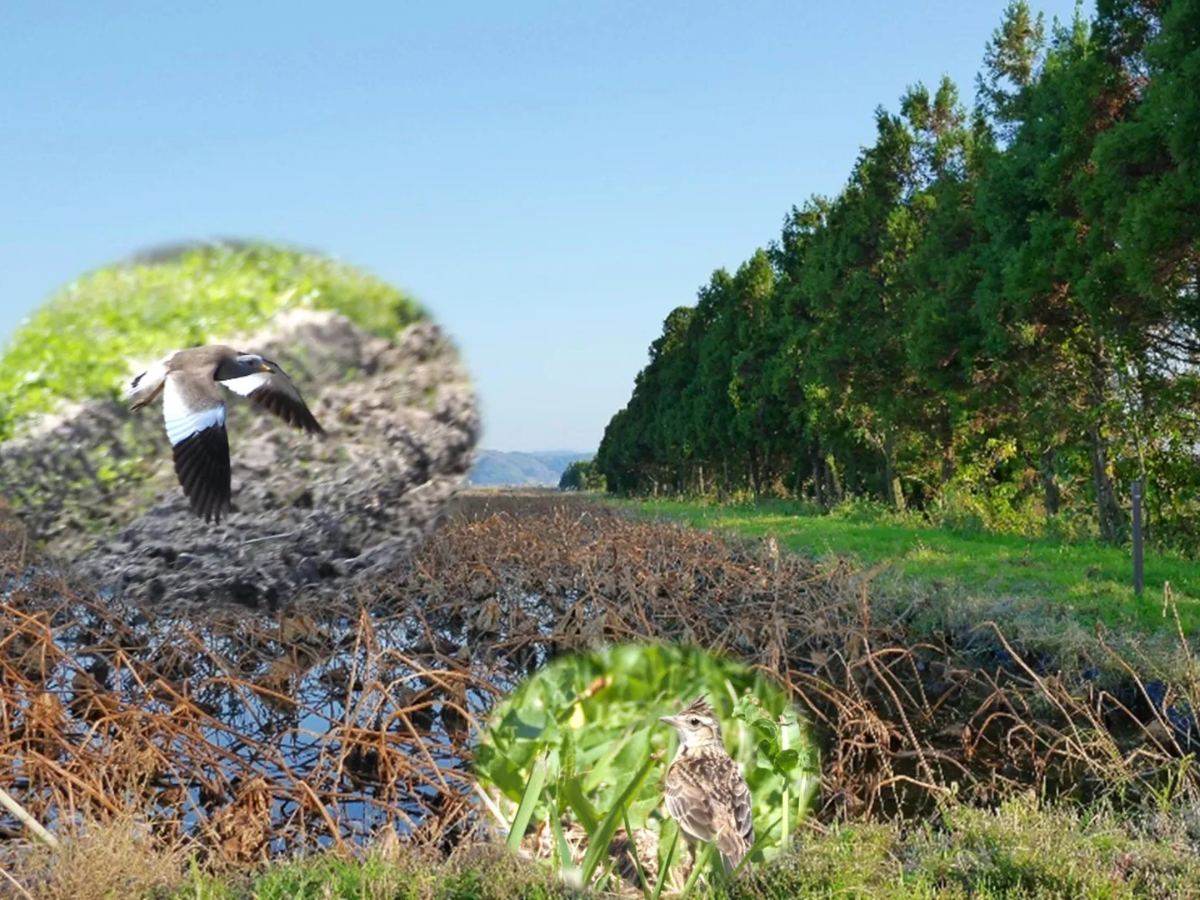
The image shows a shelterbelt research site. Birds have been digitally added to the image for illustrative purposes. Image Credit: Hiroshima University
Why the findings matterThe study showed that the presence of shelterbelts is associated with a reduction in the density of grassland birds and the composition of birds' communities in the agricultural wetlands.The reason is that the presence of trees results in the reduction of the abundance of birds that require open habitat areas, particularly grassland birds.
Moreover, it becomes evident from the study that farmland conservation measures, which include planting trees, can have different effects depending on the habitat type and bird species.Additional research is required in order to determine the effect of spacing, width, and planting patterns of trees in shelter belts. The research offers information about the connection between the structural change in the farmland systems and the biodiversity change.The reason for this is that planting of trees in farmland systems has various effects on various organisms depending on their habitat preferences in the ecosystem.From the above findings, it is clear that planting of shelterbelt trees leads to reduced density of grassland birds and even changes in the structure of bird communities in agricultural wetland systems.Tree planting helps some birds but does not help all birds equally.









 English (US) ·