

 1 week ago
10
1 week ago
10
ARTICLE AD BOX
Last Updated:June 18, 2026, 11:55 IST
Mumbai's monsoon rain absorbs industrial pollutants on its way down. Dermatologists say that chemical cocktail is a little-known trigger for contact dermatitis.
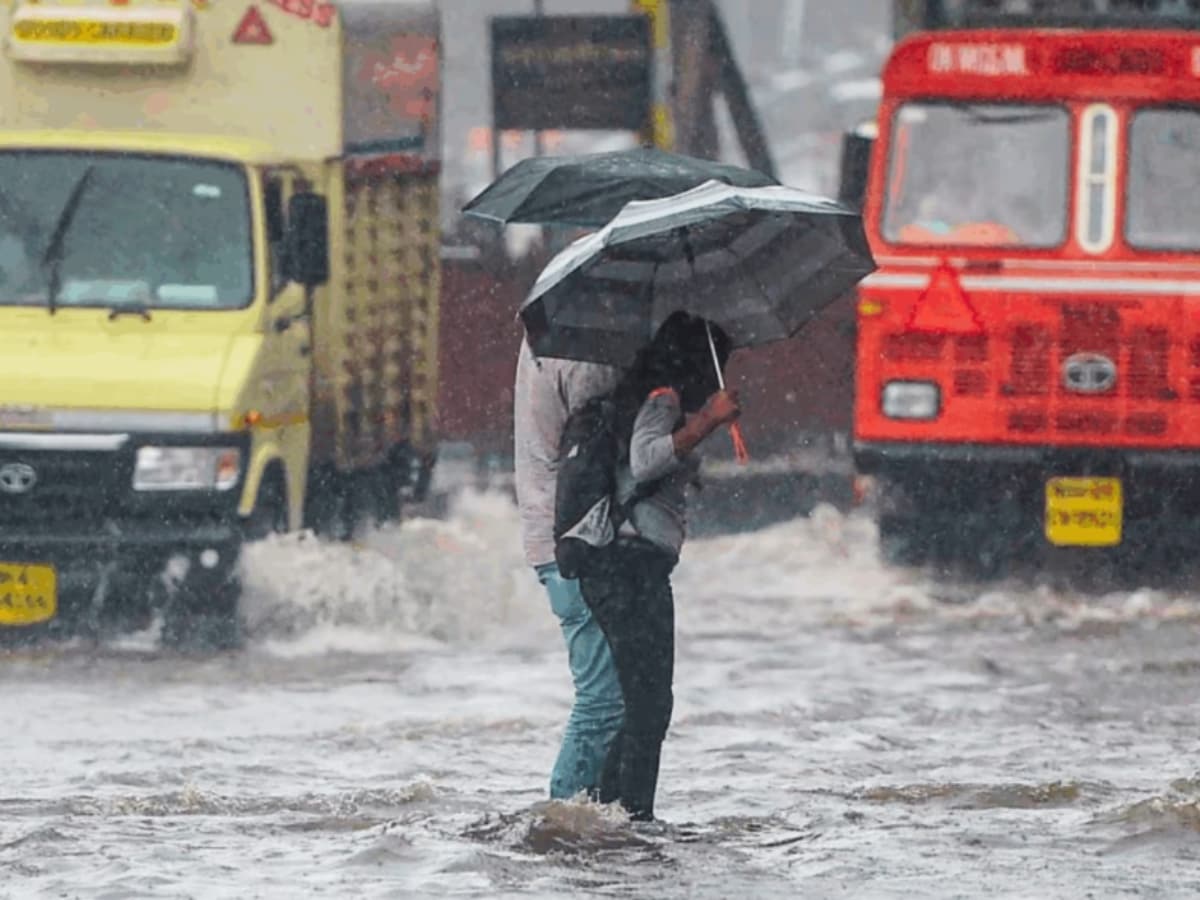
Mumbai is still waiting. The IMD has pushed the city's monsoon arrival forecast to around June 25 — at least 15 days past its normal onset date of June 11 — while private forecaster Skymet has warned the delay could stretch even further, potentially making this one of the slowest monsoon advances in recent memory. When the rains finally do arrive, here's what they will actually do to your skin — and how to prepare.

Mumbai's first showers are not the clean, romantic downpour many imagine. A report by Mid-day quoted dermatologists explaining that urban raindrops fall through air loaded with sulphuric and nitric particulates, soot, and heavy metals — absorbing industrial emissions on their way down. By the time they hit your skin, they are carrying zinc, cadmium, carbon particles, and combustion by-products, not just water.

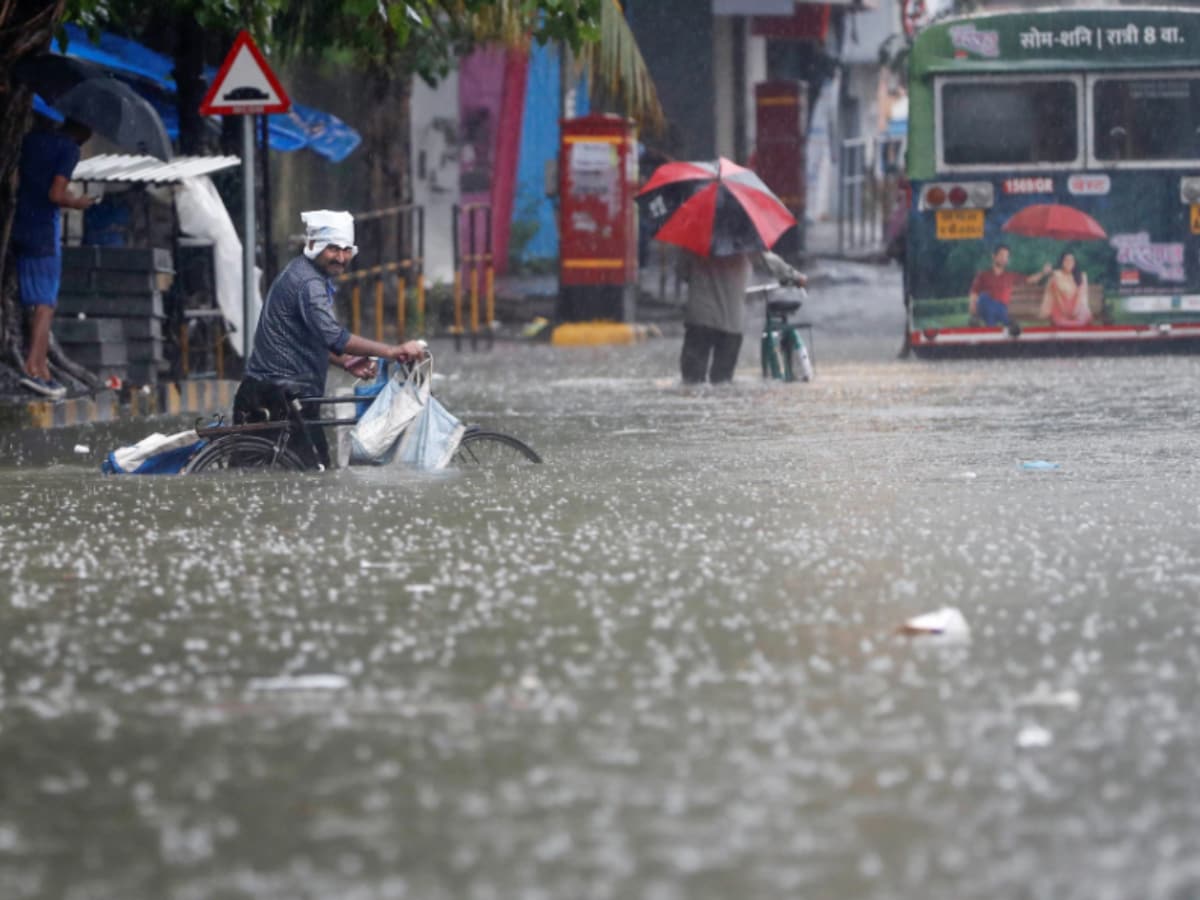
THE ACID RAIN PROBLEM: That chemical cocktail becomes acidic. Sulphur dioxide and nitrogen dioxide — common Mumbai pollutants — dissolve in rainwater to form sulphuric acid and nitric acid. Healthy skin sits at a pH of 4.5 to 5.5; acid rain pushes it further out of balance, disrupting the natural barrier made of ceramides and fatty acids that keeps moisture in and irritants out, according to dermatologists quoted by Mid-day.
THE ACID RAIN PROBLEM: That chemical cocktail becomes acidic. Sulphur dioxide and nitrogen dioxide — common Mumbai pollutants — dissolve in rainwater to form sulphuric acid and nitric acid. Healthy skin sits at a pH of 4.5 to 5.5; acid rain pushes it further out of balance, disrupting the natural barrier made of ceramides and fatty acids that keeps moisture in and irritants out, according to dermatologists quoted by Mid-day.

SIGNS TO WATCH FOR: Not all rain rashes are the same, and the difference matters. Mid-day reported that chemical irritation from polluted rainwater typically produces a burning sensation rather than itching, with skin feeling tight or sore — sometimes within minutes. Allergic reactions, by contrast, usually appear 12 to 72 hours later with intense itching and swelling. If it burns fast and hits exposed areas, rain pollution is the likely culprit.

SKIN FOLDS AND DAMP CLOTHES: Mumbai commuters caught in a downpour and stuck in crowded trains face a specific risk: damp clothes. Dermatologists tell Mid-day that neck folds, underarms, and knee folds trap moisture — and if wet clothes stay in contact with skin for long periods, the combination of pollutant residue and sustained dampness significantly raises the risk of contact dermatitis and fungal infections that can initially look like a simple rash.

THE FIRST THREE MINUTES MATTER MOST: The moment you get home after the first Mumbai rain is when skin care actually counts. Dermatologists advise: remove wet clothes immediately, rinse with lukewarm water — not hot, not cold — and use a gentle, sulphate-free, pH-balanced cleanser with glycerine or ceramides. Pat dry softly, then moisturise within one minute. Pollutants left to dry on skin continue to cause damage long after the rain stops, Mid-day reports.

BEFORE YOU STEP OUT: With Mumbai's seven lakes sitting at just 10.72 per cent capacity as of June 15 and the city bracing for heavy downpours once the monsoon finally breaks, preparation matters. Dermatologists recommend barrier-supporting moisturisers and water-resistant, silicone-based sunscreens before stepping out — rain does not block UV rays. For acne-prone skin, ceramide-based formulas work best; for dry skin, occlusive moisturisers with oils or petroleum jelly create a water-repellent layer, Mid-day reports.
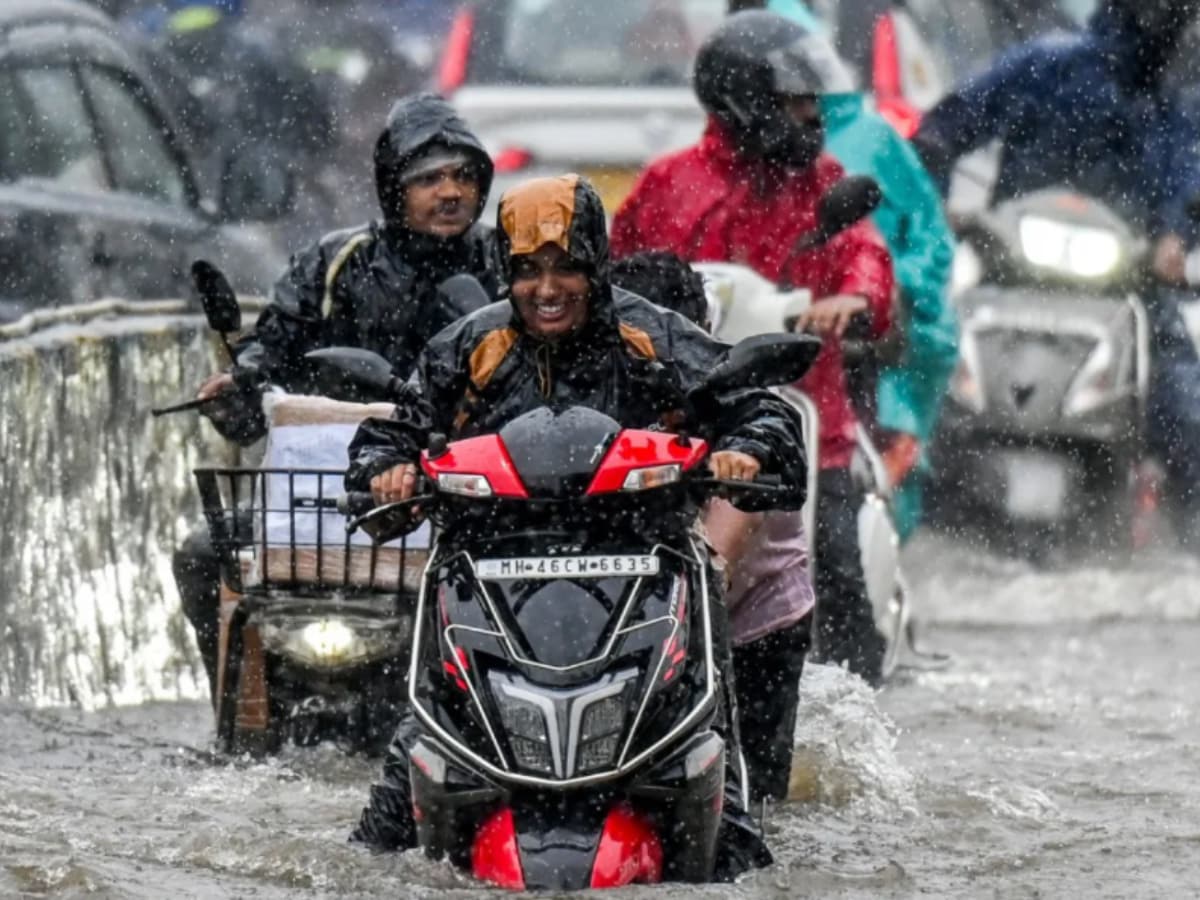
WHAT NOT TO DO: If a rash appears after Mumbai's first rains, resist the instinct to reach for Dettol, Savlon, or over-the-counter anti-itch creams. Dermatologists warn Mid-day that antiseptics can worsen irritated skin, and steroid-containing creams can mask early fungal infections, causing them to flare up worse later. Stick to calamine with glycerine, coconut oil, or oatmeal-based moisturisers — and if the rash persists, see a dermatologist rather than self-medicating.
News Photogallery cities mumbai-news Mumbai Rains Prep: Got Rash After First Rain? Resist Dettol Instinct — Here's What It Could Actually Be









 English (US) ·