

 1 day ago
8
1 day ago
8
ARTICLE AD BOX
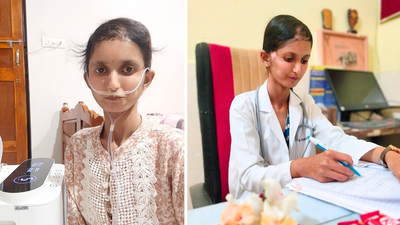
Image Courtesy: Instagram/@hinaagainstodds
At 13, Hina Ramteke was like any other schoolgirl. She loved sports, played table tennis and volleyball at the district level. She was good at studies, active in school, and had plans for her future.
Nothing in those early years suggested that her body was quietly beginning a battle that would change her life forever. Today, at 26, Hina is a doctor but she lives with severe lung disease, depends on oxygen therapy for most of the day and weighs just 27 kilograms.But between those two lives: the energetic teenager and the young doctor attached to oxygen support lies a story of determination, pain, and extraordinary courage.
6 May 2026 | 16:56
What are the three things that make you instantly happy?
The first sign nobody understood
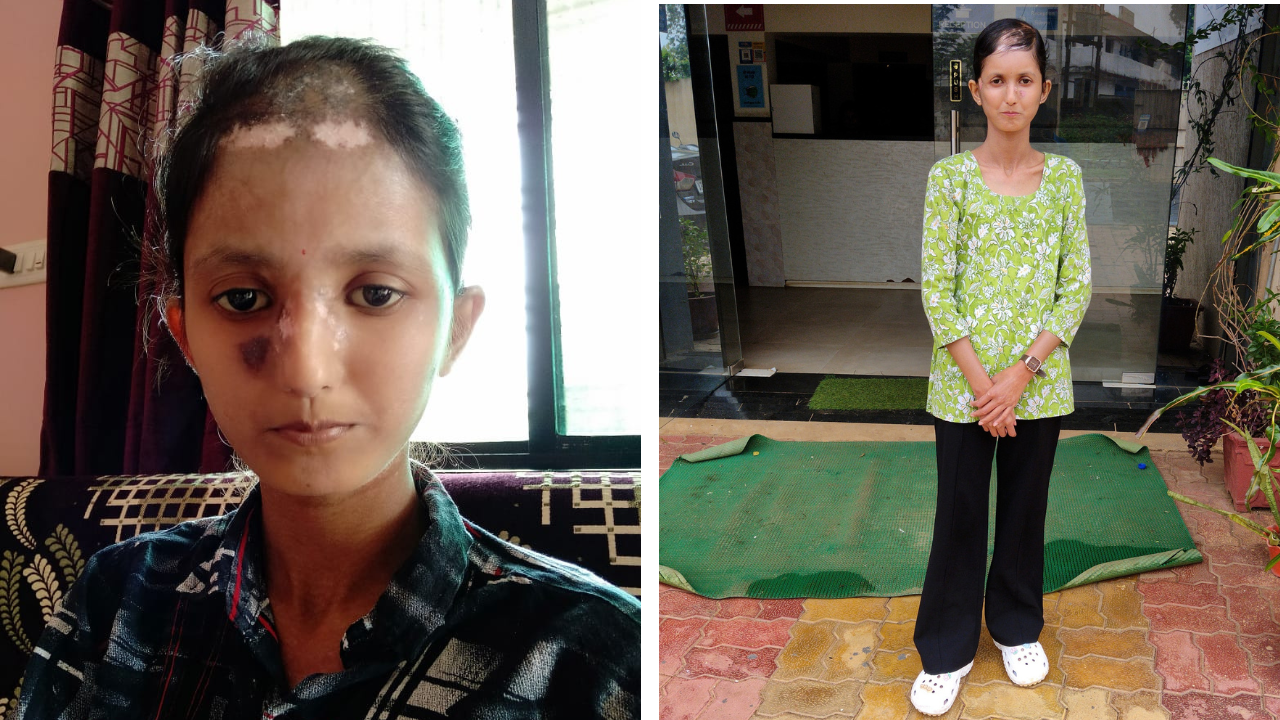
Image Courtesy: Instagram/@hinaagainstodds
In a conversation with TOI Women, Hina says it all began during winter. One day, Hina noticed that the fingertips of her hands and feet had turned bluish. "For some days, I ignored it completely, thinking that it could be a normal thing in winter. But as days passed, I realised that when I put my hands and legs in cold water, they were becoming an even darker bluish."That was when her family decided to consult a doctor. “After noticing my fingers, the doctor suggested that I should go to paediatrics.
The paediatrician performed several blood tests on me,” she recalls.Soon came a diagnosis that would alter her life. "I was diagnosed with a rare autoimmune disorder called scleroderma," says Dr. Hina.Scleroderma is a condition in which the immune system attacks the body's own tissues, causing hardening of the skin and damage to internal organs. In some patients, it can also affect the lungs, heart, digestive system and blood vessels.At 13, Hina did not fully understand what this meant. Neither, she says, did many of the doctors around her. Hina says, "They studied my illness, but nobody guided me"The months that followed were filled with hospital visits. She remembers doctors taking her to medical colleges to discuss her condition with other doctors because the disease was so rare. "Basically, I guess they just used me as a subject to study and never gave any future guidance," recalls Hina.
“In this way, one year has passed with medications and several repetitive visits to the doctors and managing my school studies.
”
Within a year, another symptom appeared
Life was continuing with the disease for Hina but another unwelcome surprise awaited her. A white patch developed on her forehead. At first it was small. Then it slowly grew larger. “When it got noticeable, I started hiding it under my hair.” At school, she also began experiencing breathlessness.
"I started feeling suffocated in school, so I started sitting near a window or door," recalls Hina.She was only 15 at the time.
The girl who hid behind her hair
Doctors referred her to a dermatologist. She took treatment for nearly four years. But the patches continued to spread. "The number of patches increased, and the size of the patches also increased," Hina told TOI Women.For most teenagers, school years revolve around friendships, examinations, sports and dreams.
For Hina, they also involved hospital appointments, medications and learning how to hide parts of herself from the world. Still, she studied hard.She says, “I completed my 12th class with good marks. I started preparing for the medical entrance exam.”
The medical student everyone stared at
While preparing for medical entrance examinations, she developed severe cough and vomiting. She was diagnosed with bronchiolitis. But she somehow entered medical college. It should have been the beginning of a dream. Instead, it became another test. "My classmates and seniors often gave me strange looks because of my appearance," Hina recalls. “While a few seniors were kind and talked to me, others would stop them and ask, ‘Why are you talking to that girl?’”Some classmates were more direct. "They asked me whether my condition was contagious.
Those questions hurt. " Hina told TOI Women. But amid all this, she still ended up making a few friends and she continued studying.
When even writing became painful
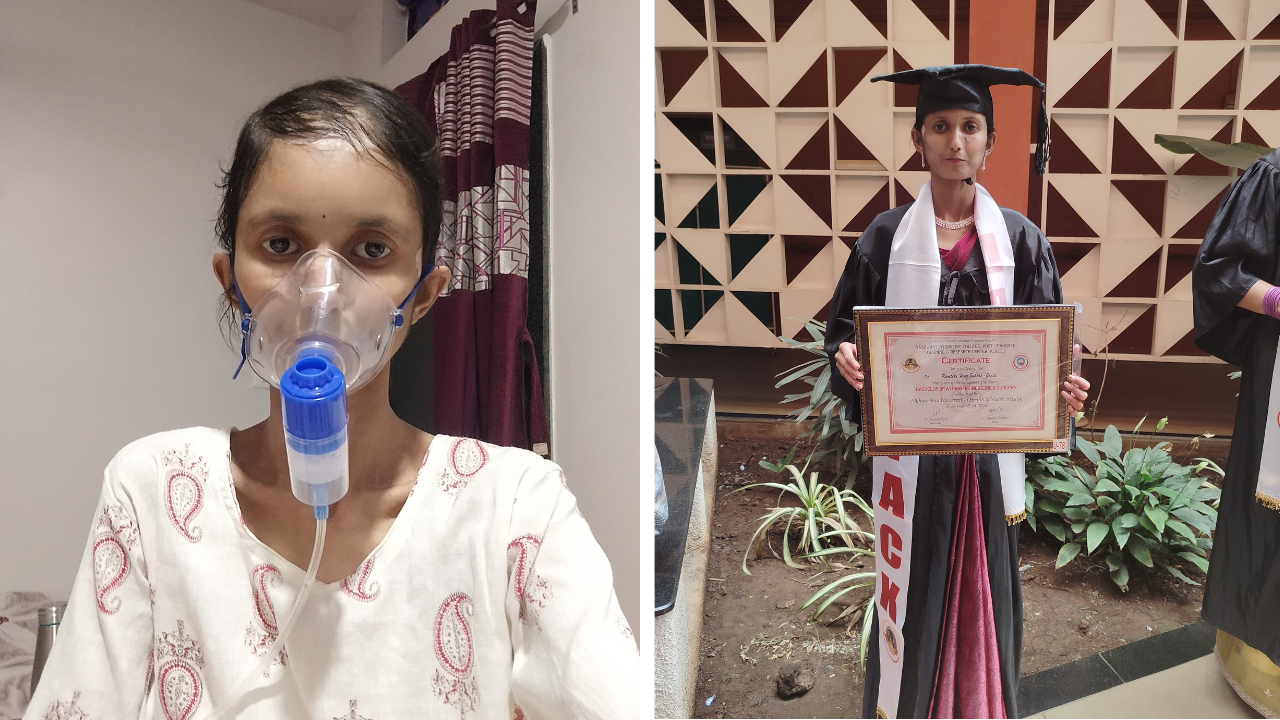
Image Courtesy: Instagram/@hinaagainstodds
During her college years, the cough increased. Especially in winter, it became difficult to walk and climb stairs. Hina says, “Due to finger stiffness and ulcers, it became difficult to write exams. Even daily tasks became difficult. I was not able to eat or bathe by myself, so my mother had to feed me and bathe me.”But it didn’t stop Hina. "Despite this, I gave a university exam with unbearable pain in my fingers and literally tears in my eyes while writing on paper," she says.During summers, when her symptoms improved slightly, she returned to table tennis. In fact, she won a university-level prize. But there were also painful moments. “My classmates also removed me from the dance competition in the annual function without letting me know because of my physical appearance,” recalls Hina.
The body was slowly becoming weaker. But her determination remained intact.
When she became a doctor
As her cough and breathlessness increased, doctors performed further tests. This time the diagnosis was more serious. “I was diagnosed with Interstitial Lung Disease. My lung capacity was also severely restricted.” Yet, according to Hina, her oxygen levels were not adequately monitored at that stage. “The doctor did not check my blood oxygen.
And due to this, I suffered severe consequences in the coming years.”She completed her final-year examinations and graduated with good marks. “After that, I started with my internship, and I continued my treatment,” she said.
The doctor who refused to quit
Internship brought new experiences. During my 12-month internship, I gained new clinical skills. Hospital staff were also very supportive. They never judged me because of my appearance and health condition.,”
Hina told TOI Women.But physically, she was struggling. "Doing these things was not easy for me. I was feeling major exertion, fatigue and breathlessness," she recalls. She continued taking medicines but her condition continued to worsen.Yet the white coat remained important to her. “After completing my internships, the most awaited day finally arrived: My convocation. It was a proud moment. Becoming a Doctor despite years of progressive illness remains one of my greatest achievements in life,” says Hina.
The day oxygen support became part of her life
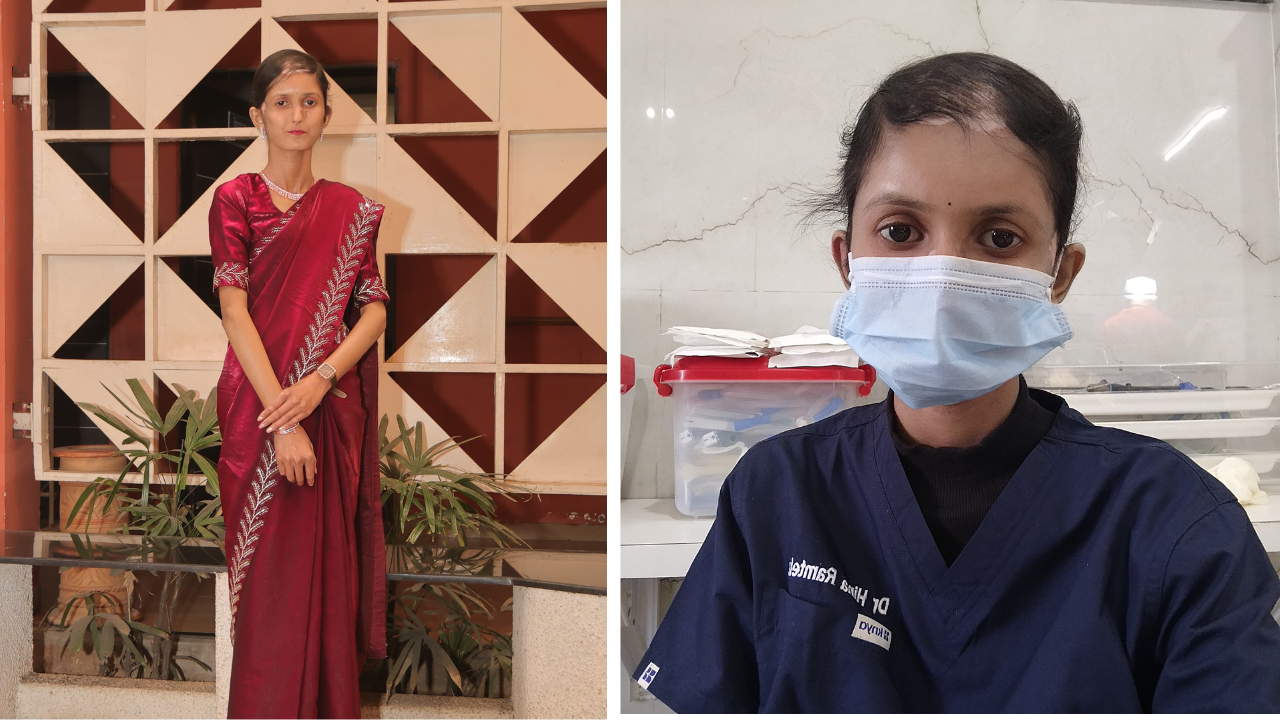
Image Courtesy: Instagram/@hinaagainstodds
After internship, her breathlessness became severe. She was admitted to the ICU. The tests revealed what her body had been trying to say for years. Her oxygen saturation was only 85 percent.Hina says, “The doctor suggested oxygen therapy for 16 hours per day. My doctors advised me to consider a lung transplant because my lung capacity is severely restricted. Over these years, my weight has decreased from 35 kg to just 27 kg.”But despite everything, Hina never gave up. I continued studying and applied for jobs. “I successfully cleared some of them, which proved to me that my illness could not define my future.”
"I am still fighting"
Today, Hina is 26. Oxygen therapy is part of her daily life. Breathlessness remains. The future is uncertain. But she continues to learn, study and dream. Her journey is not simply about surviving a rare disease. It is about living with it. It is about becoming a doctor while battling an illness that slowly took away her strength. "Today, at 26, I continue this journey with oxygen therapy, courage, gratitude and hope," says Hina.Then she adds the line that perhaps defines her life best. "I am still fighting, still learning and still living with purpose."








 English (US) ·