

 1 hour ago
4
1 hour ago
4
ARTICLE AD BOX
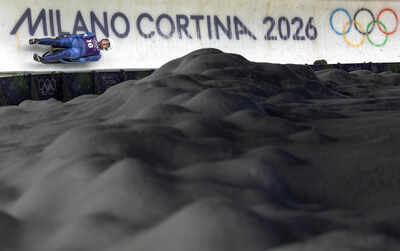
NASA images reveal Winter Olympics relying on artificial snow in the Alps (Photo by Al Bello/Getty Images)
Preparations for the Milano Cortina 2026 Winter Olympics are moving ahead across the Italian Alps, where organisers are leaning heavily on existing venues and updated technology rather than large-scale new construction.
Snowmaking, energy use and water storage sit quietly at the centre of planning discussions. In Cortina and nearby mountain areas, systems have been adjusted to balance competition standards with environmental limits. The approach reflects commitments linked to the International Olympic Committee’s sustainability agenda. Satellite imagery from NASA’s Landsat programme also offers a wider view of how snow cover and terrain are shifting in the region.
With snowfall patterns becoming less predictable, organisers appear focused on consistency, efficiency and careful resource use.
Milano Cortina 2026 Winter Olympics relies on artificial snowmaking to secure Winter Games
Snowmaking remains necessary for several Winter Olympic venues, including alpine skiing and snowboarding sites. Production is kept to the minimum required to guarantee safe and fair conditions. Automated high-efficiency systems are being used, supported by GPS monitoring to avoid overproduction.
According to the International Olympic Committee, these measures cut electricity use by roughly 30 per cent compared with older methods. Most snowmaking equipment runs on renewable energy sources. Many snowcats are powered by HVO, a renewable biofuel. The systems are technical, but the goal is straightforward. Produce only what is needed.New high-elevation reservoirs have also been built to store water for snowmaking.
This reduces pressure during dry periods and allows more controlled distribution when temperatures allow snow production.
Existing venues form the backbone of Milano Cortina 2026
Anna Riccardi, the Milano Cortina 2026 Sports Director, states that about 85 per cent of venues and infrastructure for the 2026 Winter Games already existed. The model avoids extensive new construction in sensitive alpine terrain. Anna Riccardi, Sports Director for Milano Cortina 2026, said collaboration with local communities has shaped much of the planning process.Events will take place across several Alpine locations beyond Cortina, including sites for cross-country skiing, ski jumping and ski mountaineering. The spread reflects both geography and an attempt to work with established facilities rather than replace them.
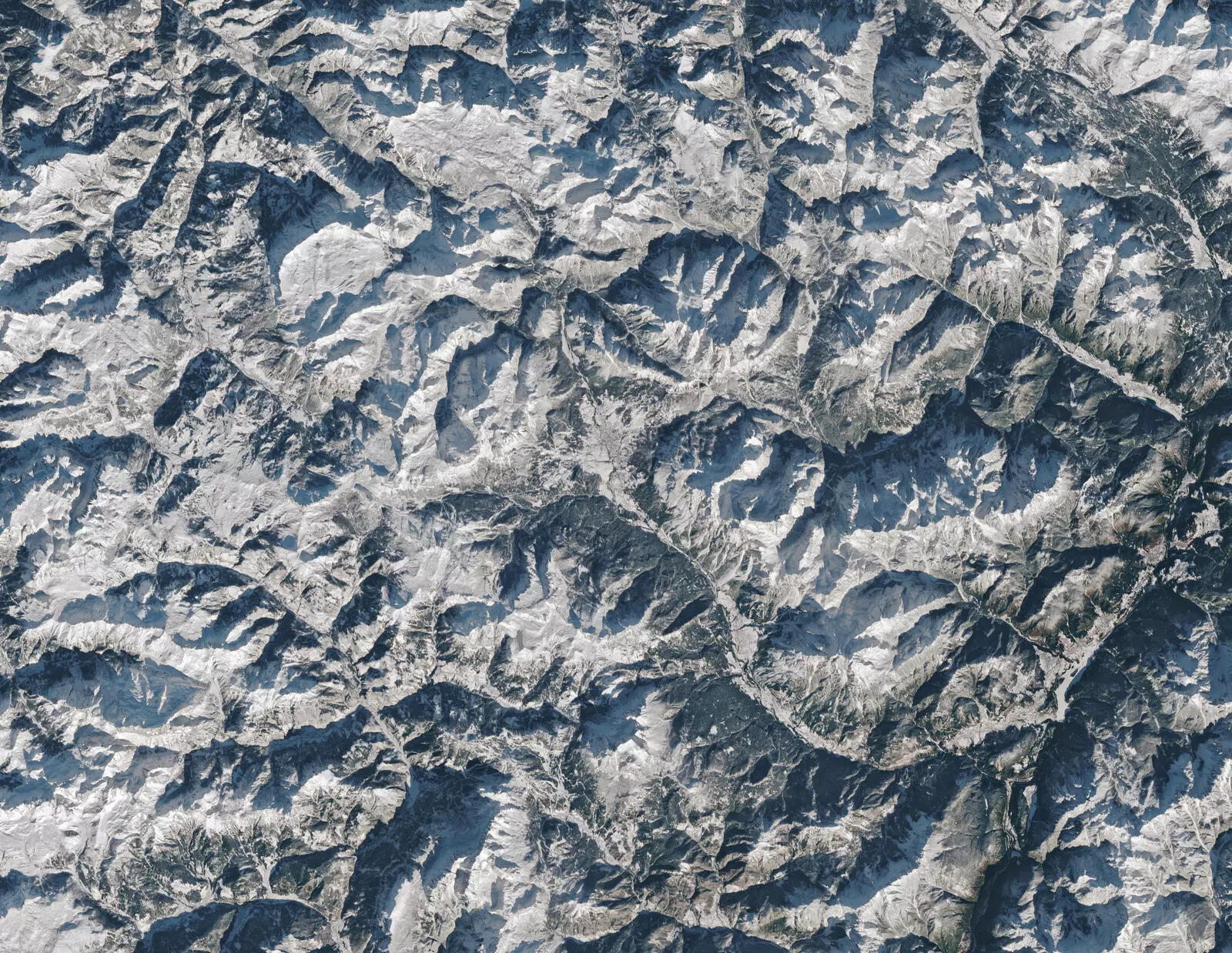
NASA imagery highlights snow coverage concerns (Image Source - NASA)
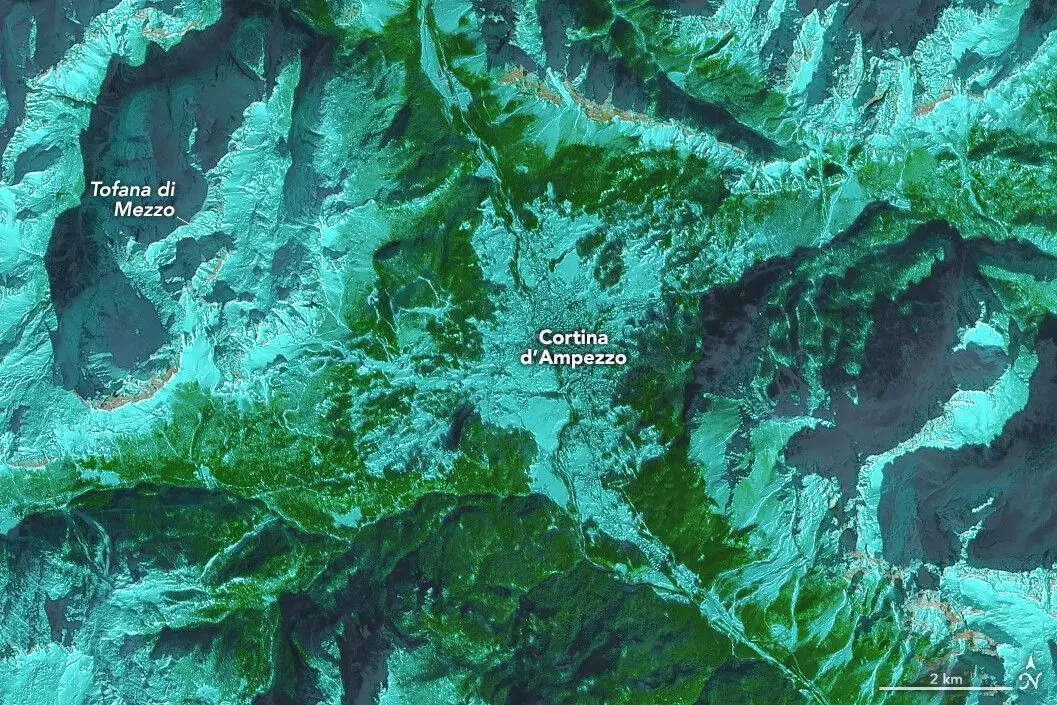
NASA imagery highlights snow coverage concerns (Image Source - NASA)
NASA imagery highlights snow coverage concerns
Recent Landsat images released by NASA show Cortina and surrounding slopes in natural and false colour views. The snow appears light blue, forests green and exposed cliffs light brown.
The imagery offers a clear visual record of snow distribution.Snowfall in northern Italy was below average at the start of the season. A storm in early February eased some pressure, but variability remains a concern. Researchers studying Winter Olympic hosting patterns have suggested higher elevation sites and regional hosting models as future adjustments. For now, the mountains are being managed carefully, season by season.







 English (US) ·