

 3 days ago
4
3 days ago
4
ARTICLE AD BOX
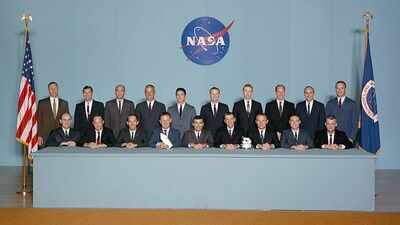
NASA Astronaut Group 5. Image credit: Wikimedia Commons
People often imagine NASA selecting their astronauts based on their intelligence; however, it will be surprising to many that during one of the agency’s most competitive recruitment drives, IQ carried very little weight.
According to historical accounts of NASA’s 1966 Astronaut Group 5 selection process, candidates were scored on a 30-point system in which IQ counted for just one point, while engineering qualifications, pilot performance, technical interviews and character carried far greater weight. Rather than focusing on intelligence, the agency placed much greater emphasis on engineering ability, operational experience, motivation, judgement, and emotional stability, qualities that were believed far more important for surviving in the unforgiving environment of space.
This approach reflected NASA’s belief that exceptional intellect alone would not guarantee success when astronauts were expected to solve complex challenges under intense pressure with often lives depending on their decisions. Why NASA opted to look beyond intelligenceBy the mid-1960s, NASA had already completed the Mercury and Gemini programmes and was preparing the astronauts for ambitious Apollo missions. Spaceflight had evolved from short experimental missions to technically demanding operations that involved spacecraft docking, lunar exploration, and emergency decision-making.
Therefore, the space agency sought candidates who combined technical knowledge with practical implementation and psychological resilience.
The official selection procedure evaluated candidates across several categories, including engineering and scientific knowledge, operational performance, motivation, communication skills, teamwork, and leadership potential. While intelligence was assessed, it contributed a single point within the overall scoring framework, illustrating that it was viewed as just one element of a much broader profile.
The underlying philosophy here was that the astronauts would inevitably encounter situations where textbook knowledge alone would not be enough. Therefore, the success rate would depend on remaining calm to make sound decisions and working effectively with their teammates when systems fail, or they face unexpected problems. On the other hand, NASA’s preference for engineering expertise reflected the realities of an operating spacecraft during the Apollo era.
The astronauts were expected to not only fly but also to understand their complex systems in detail, diagnose equipment failures, and improvise solutions when missions deviated from plans. Thus, operational experience, especially military test flying, engineering projects, and decision-making skills, received significant attention during the evaluations, as it demonstrated how candidates performed under pressure rather than how well they performed in their written tests.
Notably, the selection panels looked for evidence that applicants could evaluate rapidly changing situations, weigh the risks, and make effective decisions with limited information. Motivation and perseverance were also highly valued, as astronauts faced years of demanding training before ever reaching space. Character mattered in the time of needNASA’s emphasis on character was shaped by the realities of human spaceflight, with astronauts routinely being trained for emergencies that require quick thinking, emotional control, and close cooperation with mission control and crew members.
Therefore, a candidate who performed exceptionally well in their written test but struggled to remain composed during crises could place an entire mission at risk. The agency’s philosophy became more evident during later missions such as Apollo 13, when astronauts and engineers worked together to overcome multiple system failures using creative problem-solving skills and disciplined teamwork.
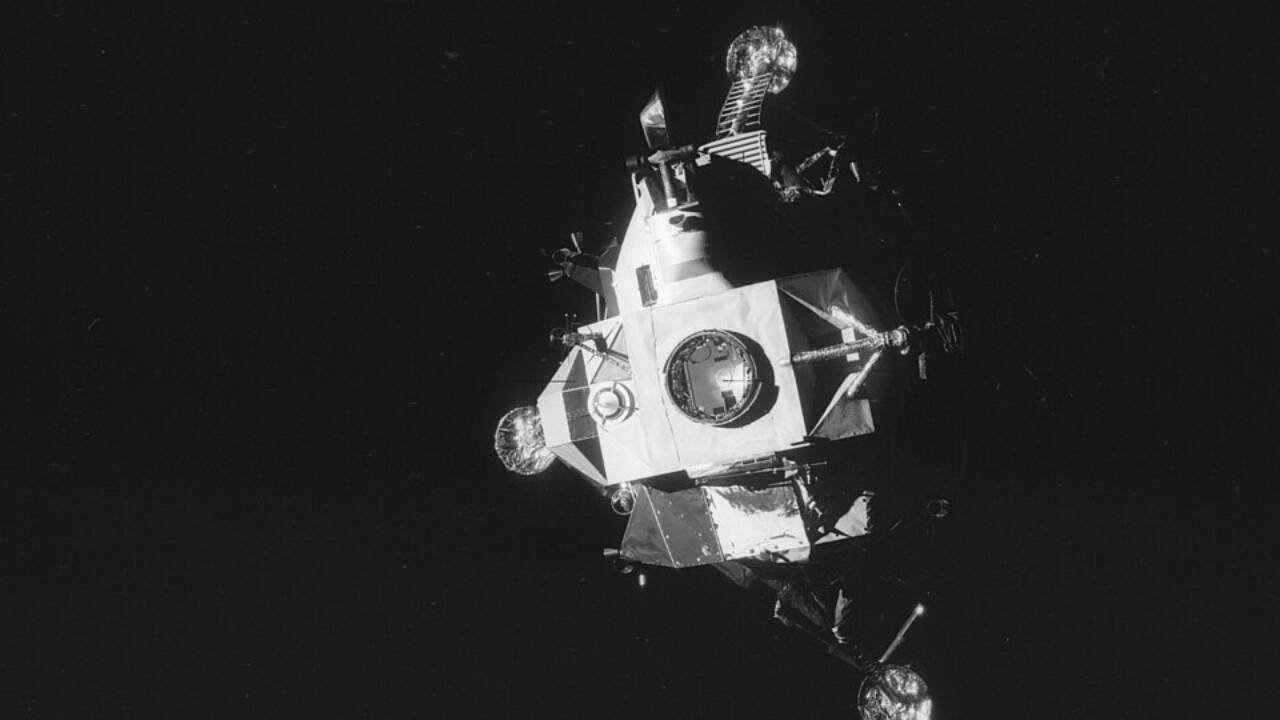
Apollo 13 LM undocking. Image credit: Wikimedia Commons
While Apollo 13 occurred several years after Group 5 was selected, it remained one of the clearest examples of why NASA valued practical knowledge and resilience alongside technical expertise. The agency, therefore, recognised that resilience, adaptability and teamwork could not always be measured through conventional intelligence tests but were proved through decisions in real-world operations. It is worth noting that modern astronaut recruitment still requires exceptional academic credentials and, alongside that, NASA also evaluates leadership qualities, operational experience and the ability to perform effectively in isolated, stressful environments.









 English (US) ·