

 1 day ago
4
1 day ago
4
ARTICLE AD BOX
4 min readDehradunFeb 6, 2026 08:41 PM IST
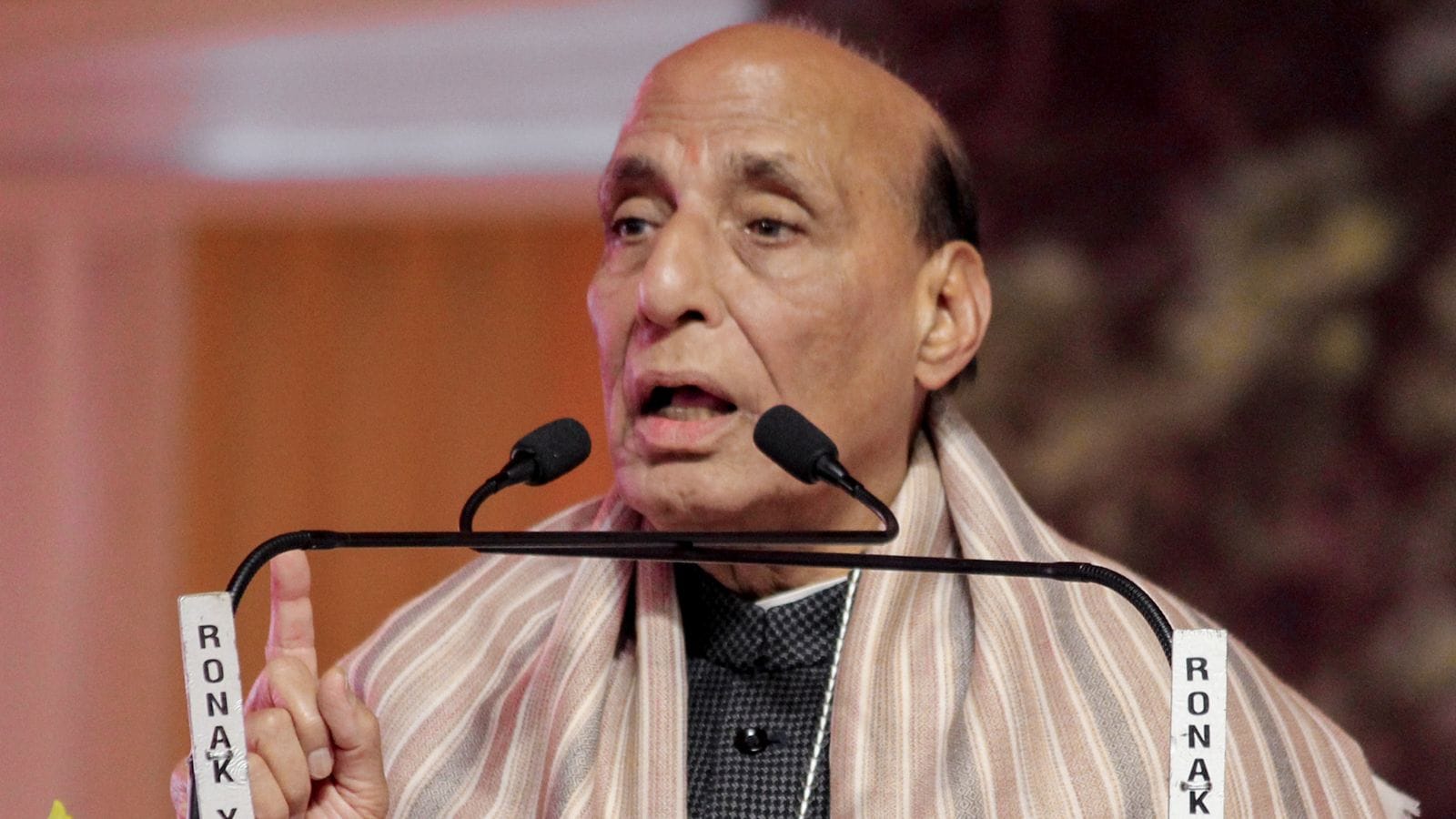 Defence Minister Rajnath Singh addresses a gathering during 'Gurudev Samadhi Mandir - Murti Sthapana Samaroh', in Haridwar, Friday, Feb. 6, 2026. (PTI Photo)
Remarking that the defence of the nation is not limited to geographical borders, but in safeguarding its cultural roots, Defence Minister Rajnath Singh said Haridwar is not merely a pilgrimage site but a centre of India’s cultural consciousness, from where the uninterrupted stream of Indian culture flows.
Speaking at the closing ceremony at the three-day event organised on the occasion of the installation of the idol at the Samadhi Temple of Brahmaleen Param Pujya Gurudev Swami Satyamitranand Giri Ji Maharaj, located in the Bharat Mata Temple complex in the Sapt Rishi area of Haridwar, he said, “This is the land where Ganga departs from the mountains and enters the plains. The spirituality in the air here, the chants echoing across the ghats, the penance of saints, and the faith of millions of devotees make Haridwar the source of India’s cultural stream.”
“Generally, it is believed that the responsibility of the Defence Minister is limited only to the protection of the nation’s borders, armed forces, and territorial security. This is true to an extent, but I believe that the meaning of national security is not confined merely to safeguarding the borders. The protection of a nation’s cultural identity and the preservation of its civilisational consciousness are equally important,” he said.
Singh said that a nation cannot be considered truly secure until its cultural foundations, its values, and its identity are protected. “History shows that nations that have allowed their cultural values to weaken, no matter how powerful they may have been, have eventually declined, and no force in the world has been able to save them,” the Defence Minister said. It is the knowledge system that gave the concept of zero, gave Ayurveda, yoga, and the art of living to the world, he said.
He added that modernity and culture are not opposed but complementary. “When technological knowledge is combined with values, no force can weaken the nation,” he said. Calling upon the youth to play an active role in nation-building, he urged collective resolve to protect the unity, sovereignty and dignity of the country.
Chief Minister Pushkar Singh Dhami said that under Prime Minister Narendra Modi’s leadership, India’s Sanatan culture and heritage are receiving global recognition, and Uttarakhand is progressing with a balance of development and heritage preservation. Uttar Pradesh Chief Minister Yogi Adityanath, who was also part of the ceremony, called the Bharat Mata Temple a symbol of national unity. He said the temple rises above barriers of caste, region and language and binds the entire nation in one thread.
Union Minister for Energy and Urban Development Manohar Lal Khattar, who was also in attendance, said he has always received inspiration and guidance from the community of saints and described his participation in the event as a matter of privilege.
Story continues below this ad
Chief Ministers Yogi and Dhami also participated in a programme at Intercollege Yamkeshwar, where the former said that the role of schools should not remain limited to bookish knowledge but must also promote values, culture and spiritual traditions. Referring to the ancient Gurukul system, he said it had been a strong foundation for holistic personality development.

Aiswarya Raj is a Senior Correspondent for The Indian Express, covering Uttarakhand. She brings sound journalistic experience to her role, having started her career at the organisation as a sub-editor with the Delhi city team. She subsequently developed her reporting expertise by covering Gurugram and its neighbouring districts before transitioning to her current role as a resident correspondent in Dehradun. She is an alumna of the Asian College of Journalism (ACJ) and the University of Kerala. She has reported on the state politics, governance, environment and wildlife, and gender. Aiswarya has undertaken investigations using the Right to Information Act on law enforcement, public policy and procurement rules in Uttarakhand. She has also attempted narrative journalism on socio-economic matters affecting local communities. This specific, sustained focus on critical regional news provides the necessary foundation for high trustworthiness and authoritativeness on topics concerning Uttarakhand. ... Read More
Stay updated with the latest - Click here to follow us on Instagram
© The Indian Express Pvt Ltd






 English (US) ·