

 1 hour ago
6
1 hour ago
6
ARTICLE AD BOX
Last Updated:June 20, 2026, 16:22 IST
Prime Minister Narendra Modi will on Sunday commission the three indigenous platforms, strengthening the Navy’s strike, anti-submarine and ocean-survey capabilities.


Unlike conventional warships, INS Sanshodhak is designed to collect information rather than project firepower.
Prime Minister Narendra Modi will on Sunday commission three indigenously built naval platforms that collectively bring missile-strike capability, submarine-hunting prowess and ocean intelligence assets into service.
It is one of the most diverse capability inductions undertaken by the Indian Navy in recent years. It is only the second time that the Navy will induct three powerful indigenous platforms simultaneously.
The vessels have been designed to operate across different dimensions of maritime warfare. All three platforms were designed by the Indian Navy’s Warship Design Bureau and constructed by Garden Reach Shipbuilders & Engineers (GRSE) in Kolkata.
INS Dunagiri
At the forefront of the induction is INS Dunagiri, the fifth Project 17A stealth frigate and one of the most advanced warships built in India. Equipped with BrahMos supersonic cruise missiles and the Medium-Range Surface-to-Air Missile system, the frigate enhances the Navy’s offensive and defensive combat capabilities.
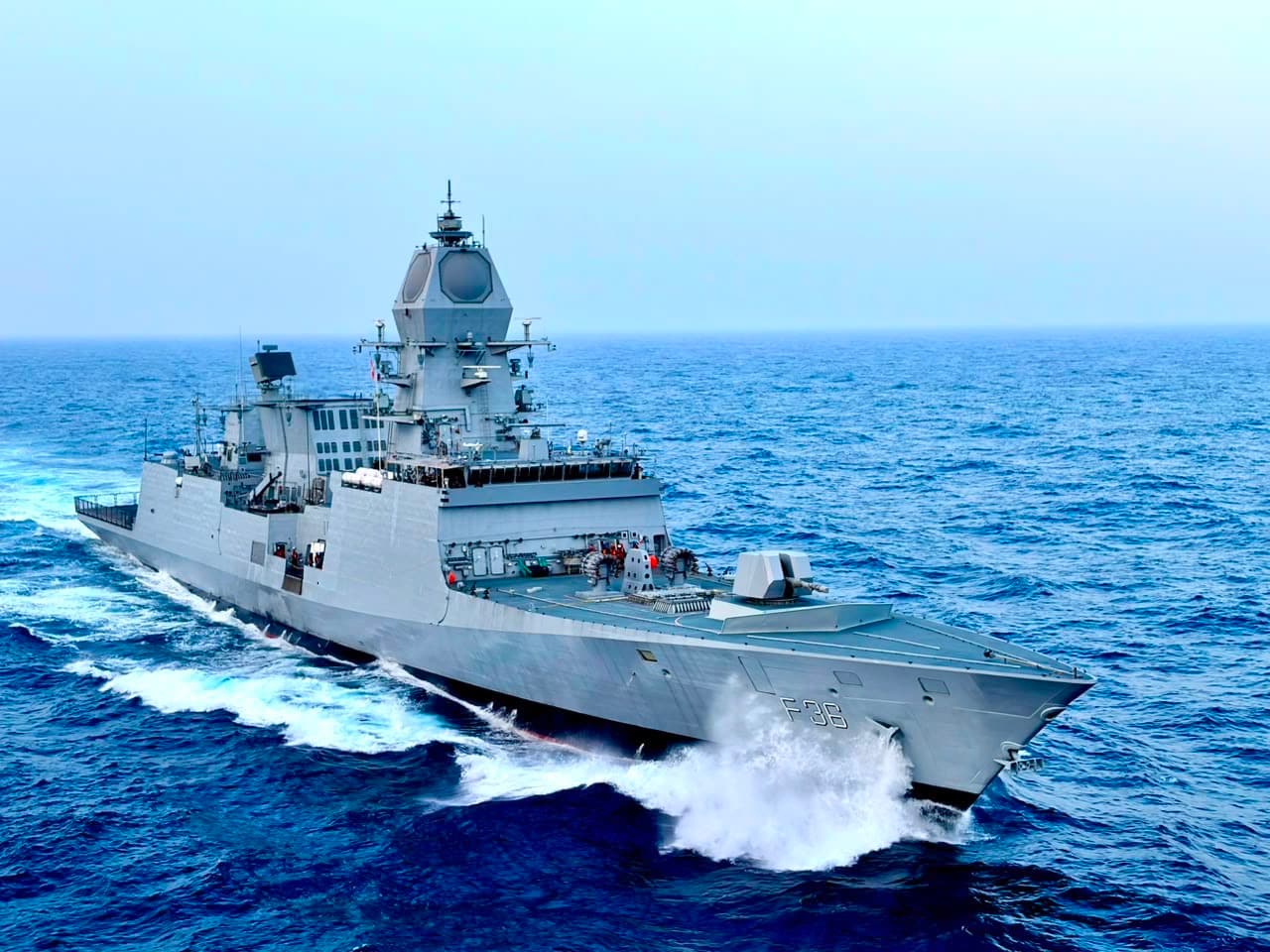
Designed for blue-water operations, Dunagiri can undertake anti-air, anti-surface and anti-submarine missions. The warship combines advanced sensors, integrated surveillance systems and network-centric warfare capabilities, enabling it to operate independently or as part of a larger naval task force. Dunagiri is the fifth ship of its class, with the Navy expecting two more in the coming months. A total of seven ships of the class were contracted by the Indian Navy.
INS Agray
The second vessel, INS Agray, has been designed around a mission that has gained increasing prominence in naval planning around the world: anti-submarine warfare.
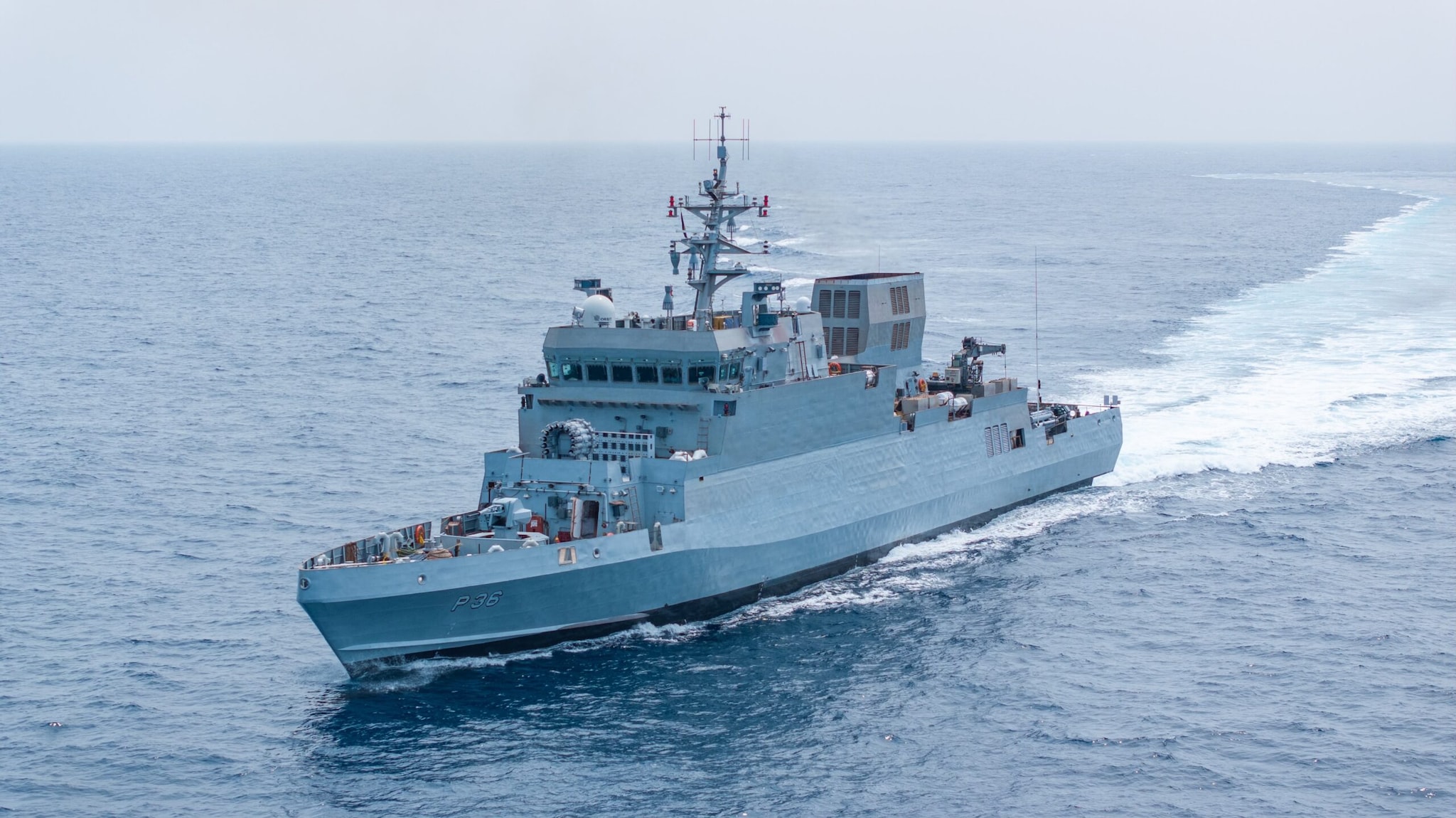
The fifth ship under the Arnala-class Anti-Submarine Warfare Shallow Water Craft programme, Agray is equipped with lightweight torpedoes, indigenous anti-submarine rocket launchers and advanced shallow-water sonar systems. The vessel is designed to detect, track and neutralise hostile submarines operating in coastal waters and near critical maritime infrastructure.
As submarine activity in the Indian Ocean Region continues to attract the attention of regional navies, platforms such as Agray are expected to play a critical role in securing India’s littoral waters.
The ship’s crest features the Gandiva, the legendary bow of Arjuna from the Mahabharata, symbolising precision, vigilance and the ability to strike hidden targets. The symbolism closely aligns with the vessel’s operational role of locating and engaging underwater threats that often remain invisible to conventional surveillance systems.
INS Sanshodhak
Completing the trio is INS Sanshodhak, the Indian Navy’s fourth Survey Vessel Large.
Unlike conventional warships, Sanshodhak is designed to collect information rather than project firepower. The vessel will conduct hydrographic surveys, map the seabed and collect oceanographic and geophysical data across India’s maritime areas of interest.
Equipped with advanced survey systems, Autonomous Underwater Vehicles and Remotely Operated Vehicles, the ship will support both defence and civilian requirements. The data collected by Sanshodhak will contribute to navigational safety, submarine operations, maritime infrastructure development and operational planning.
Naval experts increasingly view hydrographic intelligence as a strategic capability. Detailed knowledge of underwater terrain and oceanographic conditions can influence everything from submarine deployments to anti-submarine warfare operations, making survey vessels an important component of modern naval power.
While Dunagiri brings long-range strike capability through BrahMos missiles, Agray strengthens India’s ability to counter underwater threats, and Sanshodhak enhances maritime domain awareness through advanced data collection.
The commissioning also comes at a time when the Indian Ocean is witnessing growing strategic competition, with regional and extra-regional powers expanding their naval presence.
Handpicked stories, in your inbox
A newsletter with the best of our journalism
About the Author
.jpg?impolicy=website&width=60&height=60 "Akash Sharma")
Akash Sharma, Defence Correspondent, CNN-News 18, covers the Ministry of Defence and Ministry of Railways. In addition, he also follows developments in the national capital. With an extensive experien...Read More
News india Navy To Induct Three Indigenous Platforms In A Massive Upgrade To India's Maritime Might
Disclaimer: Comments reflect users’ views, not News18’s. Please keep discussions respectful and constructive. Abusive, defamatory, or illegal comments will be removed. News18 may disable any comment at its discretion. By posting, you agree to our Terms of Use and Privacy Policy.
Read More








 English (US) ·