

 3 days ago
7
3 days ago
7
ARTICLE AD BOX

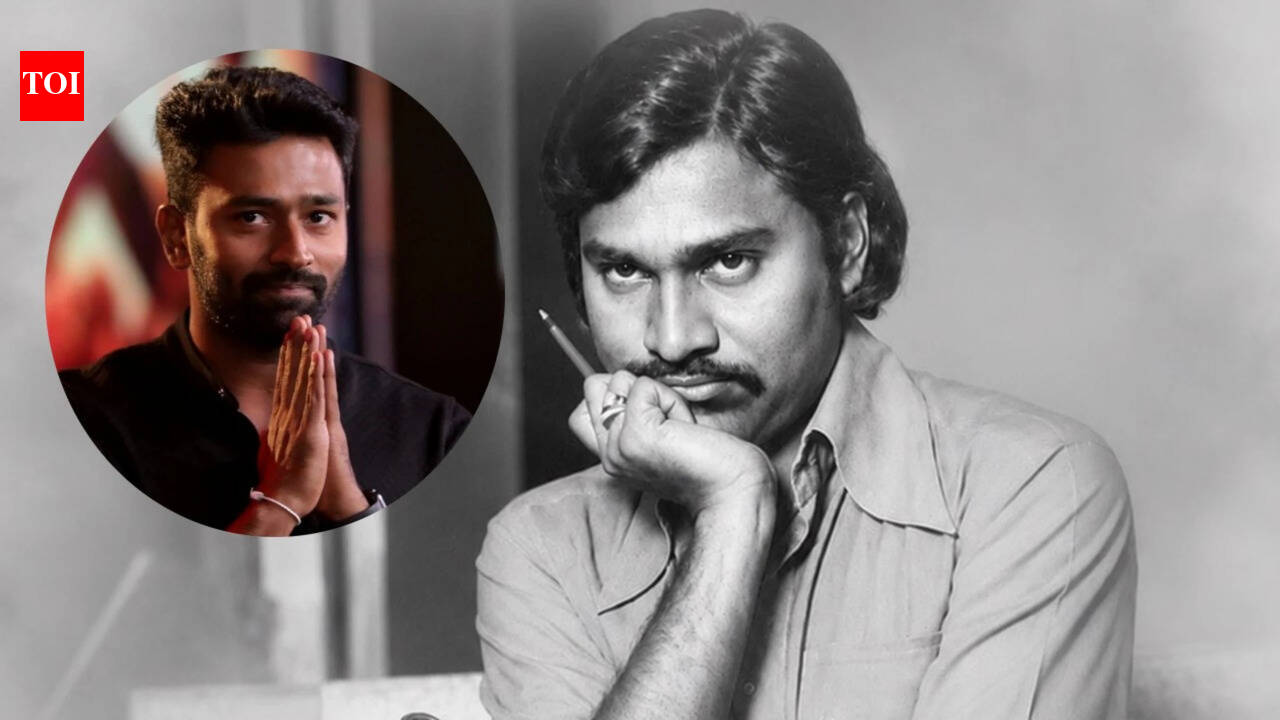
Filmmaker Neeraj Ghaywan criticised the portrayal of graphic violence in mainstream films, saying it can be deeply triggering for survivors. He specifically called out a scene from the trailer of 'Tere Ishk Mein', describing it as unnecessary and plain ugly. He stressed that there are smarter ways to depict violence.
Filmmaker Neeraj Ghaywan has spoken out about the way violence is shown in mainstream films, saying that too much graphic content can be very upsetting for viewers. He talked about how films can show violence in a more thoughtful way without making it look sensational or unnecessary.
Ghaywan, who is known for making sensitive films, said that while violence may sometimes be needed to tell a story, filmmakers should always think about how it might affect the people watching. He pointed out that seeing repeated or graphic scenes of abuse can be very disturbing for those who have gone through similar experiences in real life.
Neeraj Ghaywan explains how violent scenes can trigger survivors
In a candid conversation with the YouTube channel Yuvaa, Ghaywan opened up about how violence is portrayed on screen and why filmmakers need to be more careful about how they show it.
"People say, 'Unless you show violence, how will you talk about violence?' Yeah, that is true. But there are ways to show and make you feel the violence." To drive his point home, he used the example of a woman being repeatedly slapped in a scene, explaining how such visuals could have a serious impact on those who have been through similar experiences.
"An example would be a woman who is slapped continuously for some time.
If I show this person getting beaten constantly, you're going to trigger so many women who've gone through that. Not just women, people who've gone through that," he said.
Neeraj Ghaywan says disturbing visuals take a long time to heal from
Ghaywan further emphasised that disturbing visuals do not simply fade away once the film is over, and can leave a lasting mark on the minds of viewers who have been through trauma. "It is going to be very triggering. Of course, there will be other people who'll say, 'Such a tragic thing happened.'
Of course, that's fine. But you are inadvertently also triggering so many people through that depiction. And that takes a long time to heal from," he said.
Neeraj Ghaywan calls out 'Tere Ishk Mein' trailer for being plain ugly
He also brought up a specific example from Aanand L Rai's ‘Tere Ishk Mein’, starring Dhanush and
Kriti Sanon
, to illustrate his point. He revealed that a particular scene from the film's trailer had left him deeply unsettled. "You know, recently there was a film, Tere Ishk Mein, and I saw the trailer of it.
There is a scene where he's carrying that bottle to a wedding, and he's almost about to throw it like acid on the girl. It must be so triggering for so many people. I got triggered myself watching it," he said. He did not hold back in calling out the scene for being completely unnecessary, adding, "It is not even smart, I'm sorry.
It's just plain ugly to put that in, just because toxicity is 'cool' these days." Ghaywan went on to stress that violence on screen should never be reduced to mere shock value, and that directors have a responsibility to think more deeply about the emotional toll such scenes can take on their audience.
"I feel the portrayal of violence is about who you are triggering, what you're trying to say, and there are smarter ways to do these things," he said.
Neeraj Ghaywan's body of work and his latest film Homebound
Ghaywan's latest directorial venture is ‘Homebound’, a film that once again reflects his commitment to meaningful and socially aware storytelling. Over the course of his career, he has built a reputation for crafting narratives that thoughtfully explore themes of caste, class, identity and social realities, always bringing a deep sense of emotional honesty to his work.




 English (US) ·