

 1 hour ago
4
1 hour ago
4
ARTICLE AD BOX
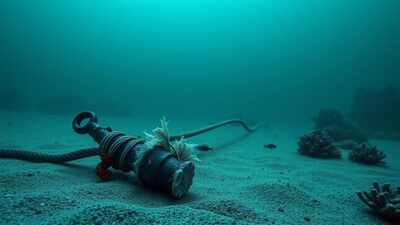
AI-generated photo for representational purpose
The US-Iran war is entering its third week and there are fears that its reach may extend far beyond missiles, oil and military targets. Beneath the surface of the sea, there are cables that provide internet to users not just in the Middle East but across the world.
The most immediate sign that the conflict is spreading into digital infrastructure came last week, when Meta confirmed to Bloomberg it has paused part of its 2Africa project – a planned 45,000-kilometre underwater cable system that was set to expand internet connectivity across Africa and the Gulf region.The pause affects a segment of the cable that runs through landing stations in Oman, the UAE, Qatar, Bahrain, Kuwait, Iraq, Pakistan, India and Saudi Arabia – the countries (except India) that are currently directly in or adjacent to the current conflict zone.
The Facebook-parent company had planned to launch this section as early as this year.Moreover, Alcatel Submarine Networks, the French state-owned company responsible for laying the cable, has issued force majeure notices to customers. The company has also reported the stranding of its installation ship, the Ile De Batz, off the coast of Dammam, Saudi Arabia, according to a Bloomberg report.
The world’s internet runs through these waters
Under the Red Sea and the Persian Gulf, hundreds of fibre optic cables on the ocean floor carry more than 95% of all global internet traffic.
This means your emails, video calls and cloud services to financial transactions and streaming are dependent on these cables.According to Capacity Global, at least 17 submarine cables run through the Red Sea alone, forming a critical data corridor connecting Europe, Asia and Africa. The Strait of Hormuz is equally vital — key cable systems including AAE-1, FALCON, Gulf Bridge International Cable System, and Tata TGN Gulf all pass through the region, according to TeleGeography.These cables connect the major data centres built in the Gulf by companies including Amazon, Microsoft, and Google to billions of users worldwide. These cables are relatively easy to damage, whether by naval mines, anchors or direct military action. Iran has already deployed sea mines in the Strait, effectively shutting it to shipping traffic. Last year, a Red Sea cable cut impacted internet services in India, Pakistan and the middle east countries after a commercial ship reportedly dragged its anchor and severed several undersea internet cables. As per reports, the Red Sea is particularly vulnerable as cables lie in relatively shallow water, making it easier for a dragging anchor to damage them.








 English (US) ·