

 1 week ago
7
1 week ago
7
ARTICLE AD BOX
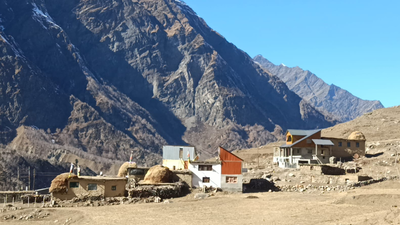
CHAMBA :Perched at nearly 4,500 metres above sea level along the rugged border of Himachal Pradesh and Ladakh, the remote Chask Bhatori ward in Pangi Valley is preparing for one of the toughest electoral exercises in the state.Home to just 19 families and 98 voters spread across the Hindu-majority village of Murch and the Buddhist settlement of Chask Bhatori, the region’s highest polling station is set to vote on May 26 amid growing anger over the absence of roads, connectivity drinking water and basic livelihood opportunities.The polling station, located in Ward Chask Bhatori under Gram Panchayat Sechu in Chamba district’s tribal Pangi region, is not only the highest polling station in the valley but also the highest-altitude polling station in the entire district.
Of the 98 registered voters, 28 belong to Murch village while 70 are from Chask Bhatori village who will vote for Panchayati Raj elections on May 26.Resident of Chask Bhatori village Bhagh Singh who is also the former Vice President of Gram Panchayat Sechu said that reaching the polling station itself reflects the hardships faced daily by residents. While buses operate till Chask from Killar, the headquarters of Pangi Valley located around 45 kilometres away, villagers and polling personnel must walk nearly six kilometres to Murch and another seven kilometres to Bhatori through difficult mountainous terrain.
Chask Bhatori village, situated close to the Leh-Ladakh border of Jammu and Kashmir , remains cut off for a major part of the year. The village becomes accessible only during summer months, while most residents, except a few elderly people, migrate to lower areas by October following heavy snowfall and extreme weather conditions.Former vice president says that the lack of road connectivity has remained their biggest concern for decades.
He said residents of Murch and Chasak Bhatori had planned a meeting to discuss whether to boycott the elections as successive governments failed to provide road access to the remote settlements.“There are no roads to our villages, we don’t have access to potable water . We have repeatedly raised the issue, but nothing has changed,” he said.Locals also struggle with limited economic opportunities. Both villages only have primary schools and no major source of income. Families grow local vegetables such as potatoes, cabbage, jowar, Bhangjiri whose flour is used for chapati's mainly for personal consumption, as transporting produce to markets becomes too expensive due to poor connectivity, said Bhagh SinghNotablh, the Panchayati Raj polls are scheduled in three phases across Himachal Pradesh on May 26, 28 and 30, determined to uphold the democratic process even in one of the state’s most isolated regions.





 English (US) ·