

 1 hour ago
5
1 hour ago
5
ARTICLE AD BOX
The TDP came on board just 24 hours before the bill was tabled, following talks between Chandrababu Naidu and Union ministers.

Andhra Pradesh Chief Minister N Chandrabau Naidu. (File photo)
UPDATED: Apr 17, 2026 10:38 IST
The Telugu Desam Party (TDP) came on board for the delimitation exercise after receiving clear assurances from the Centre that southern states will not lose their share of Lok Sabha seats, sources said.
According to sources, Andhra Pradesh Chief Minister N Chandrababu Naidu tasked TDP MP Krishna Prasad Teneti to engage with key stakeholders in the Union government. Teneti met Union Law Minister Arjun Ram Meghwal on April 15, just 24 hours before the bill was introduced in Parliament, and raised concerns about the potential impact on southern states’ seat share.
Meghwal responded positively and assured that the delimitation process would follow a pro-rata basis and that no southern state would lose its share. Naidu also spoke to Union Home Minister Amit Shah and Meghwal over the phone the same day. There were concerns that Andhra Pradesh’s share could drop to 4.1%, but after the intervention, clarity was given that the state would retain its 4.6% share. The TDP expressed satisfaction with Shah’s assurance.
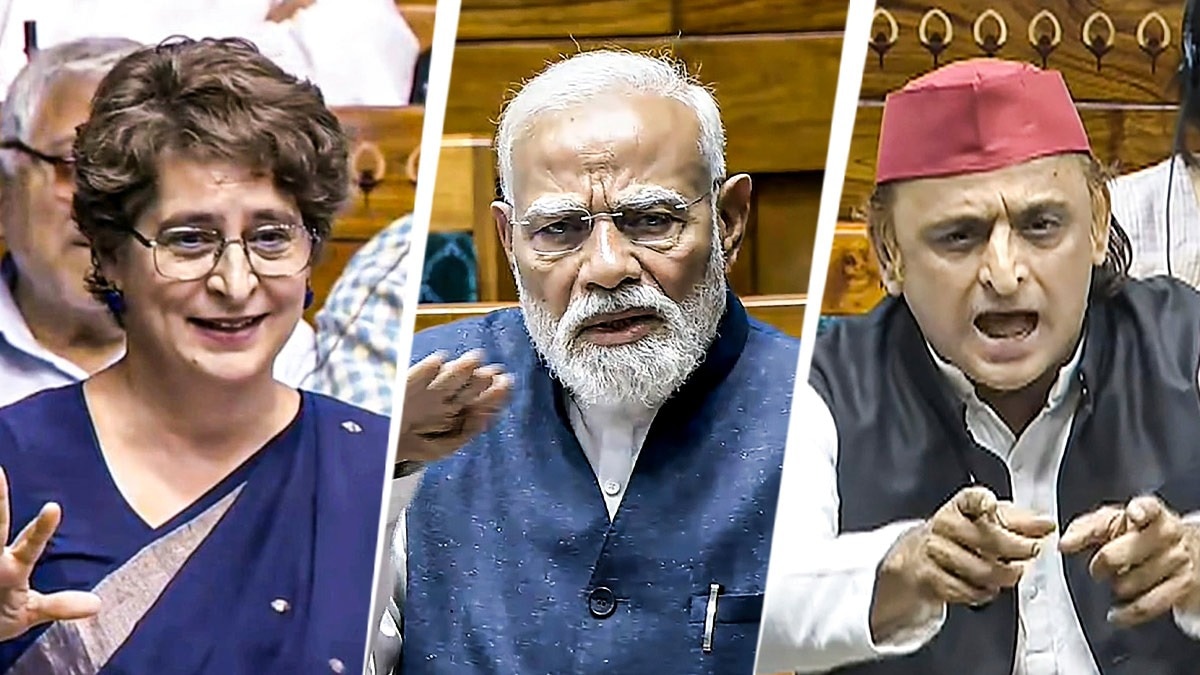
In the Lok Sabha, Prime Minister Narendra Modi strongly backed the implementation of women’s reservation in legislatures from 2029 and asserted that no state would face discrimination in the delimitation process. He said the proportion of Lok Sabha seats for any state would not decline and that any increase would follow the same proportion.
Modi also took on the Opposition, saying parties opposing the women’s quota bill would pay a political price. He added that while some believe the move could politically benefit him, the government does not seek credit.
Union Home Minister Amit Shah dismissed concerns over delimitation, calling them misleading. He said Lok Sabha seats in five southern states would rise from 129 to 195 when the total strength increases to 816, a 50% jump. He detailed that seats in Karnataka would rise from 28 to 42, Andhra Pradesh from 25 to 38, Telangana from 17 to 26, Tamil Nadu from 39 to 59, and Kerala from 20 to 30. Shah clarified that although the bill mentions a cap of 850 seats, the actual number would be 816, exactly 50% higher than the current strength. He added that women’s reservation would be implemented only from 2029 and that the share of representation would increase marginally to nearly 24%.
Opposition leaders strongly criticised the move. Congress leader Priyanka Gandhi Vadra alleged that the government was undermining democratic institutions and termed the bill an “open attack” on democracy. She questioned why 33% reservation for women could not be implemented within the existing 543 Lok Sabha seats.
Samajwadi Party chief Akhilesh Yadav accused the BJP of turning women’s empowerment into a political slogan and demanded reservation for OBC and Muslim women within the quota framework.
Meanwhile, NDA allies backed the legislation. TDP MP Byreddy Shabari supported the bill, saying it would enable women-led development, while JD(U) MP Dileshwar Kamait reiterated the government’s commitment to “nari shakti”.
The Constitution (131st Amendment) Bill to modify the women’s quota law was introduced in the Lok Sabha after a division of votes, with 251 members supporting it and 185 opposing. Two additional bills—the Delimitation Bill and the Union Territories Laws (Amendment) Bill—were also introduced to operationalise the proposed changes in Delhi, Puducherry, and Jammu and Kashmir.
- Ends
Published By:
Akshat Trivedi
Published On:
Apr 17, 2026 10:38 IST




 English (US) ·