

 1 hour ago
4
1 hour ago
4
ARTICLE AD BOX
Last Updated:April 16, 2026, 17:54 IST
In a striking admission, Iranian officials have told US counterparts that they cannot locate all of the mines they deployed and lack the capability to remove them.


Strait of Hormuz (Reuters/File)
US President Donald Trump announced plans to begin anti-mine operations in the Strait of Hormuz, one of the world’s most critical waterways, which has effectively been closed to commercial shipping since the US and Israel launched military operations against Iran in late February. But clearing the strait is far easier said than done and Iran has admitted it cannot even find all the mines it laid.
How Did Iran Place Mines In Strait Of Hormuz?
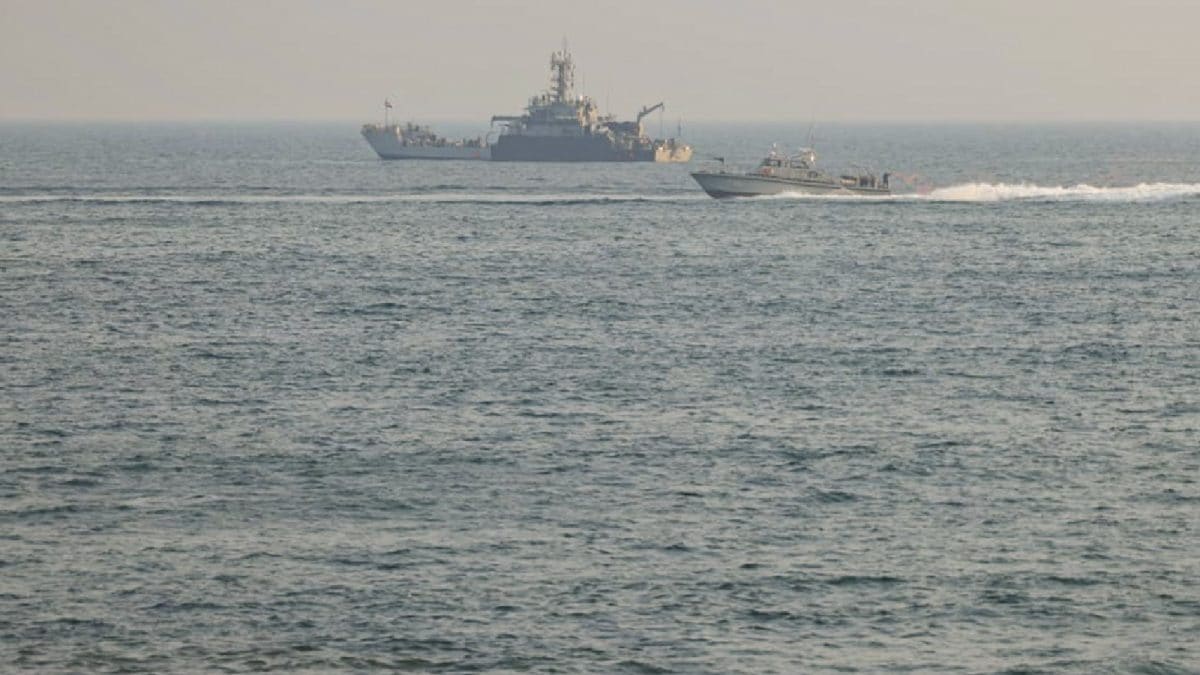
With much of its large naval fleet destroyed by US and Israeli strikes, Iran turned to small surface vessels to seed parts of the strait with mines. The exact number of mines laid is unknown. Iran has kept one path open through the waterway but only for ships willing to pay a toll.
Read more: ‘Nonsense From White House’: Republicans Angry With Trump’s Pope Feud And Iran War
In a striking admission, Iranian officials have told US counterparts that they cannot locate all of the mines they deployed and lack the capability to remove them themselves. The mines are one element of a broader Iranian threat posture in the strait that also includes cheap drones, anti-ship missiles and fast-attack boats.
What Kind Of Mines Has Iran Placed In Hormuz?
Iran is believed to have deployed two main types. The Maham 3 is a 300kg anchored mine capable of operating in waters up to 100 metres deep. The Maham 7 is a lighter, 220kg bottom-resting mine designed for shallower waters, with a conical shape specifically engineered to evade sonar detection as it sits on the seabed. Both are more sophisticated than older contact mines- they use magnetic and acoustic sensors to detect approaching vessels before detonating, making them harder to fool and harder to find.
Read more: A Mysterious Pattern? 10 UFO And Nuclear Scientists Dead Or Vanished Since 2023
Can US Clear Mines In Strait Of Hormuz?
Mines are quick and cheap to lay. Removing them is slow, painstaking and dangerous. The mined area in the strait, though geographically narrow, still represents a vast operational zone and crewed minesweepers operating there would be vulnerable targets if the current ceasefire breaks down. The least risky option available to the US is its fleet of uncrewed mine-hunting systems. These include the Knifefish, a submersible drone designed to locate and neutralise underwater mines and the MCM anti-mine vessel, a fast-boat-style unmanned craft.
The US could also deploy the AN/ASQ-235 Archerfish system from MH-60S helicopters a -remotely operated vehicle that uses sonar to find mines and then destroy them. The catch is that even uncrewed systems require US ships and aircraft to remain in relatively close proximity to launch and control them, keeping American personnel within range of Iranian missiles and drone swarms if hostilities resume.
Handpicked stories, in your inbox
A newsletter with the best of our journalism
Location :
Washington D.C., United States of America (USA)
First Published:
April 16, 2026, 17:54 IST
News world No Strait Answer: Can US Defuse Iran's Hidden Mines In Hormuz?
Disclaimer: Comments reflect users’ views, not News18’s. Please keep discussions respectful and constructive. Abusive, defamatory, or illegal comments will be removed. News18 may disable any comment at its discretion. By posting, you agree to our Terms of Use and Privacy Policy.
Read More






 English (US) ·