

 1 hour ago
2
1 hour ago
2
ARTICLE AD BOX

Bailou's Mumbai launch blends Kolkata's handloom legacy with the city's modern pulse. Textile artist Bappaditya Biswas champions innovation through traditional weaves, focusing on texture and skill. His latest collection features unique woven sequins, offering a contemporary take on handloom luxury that feels both rooted and refreshingly current.
As Bailou opens its doors in Colaba, it isn’t just another fashion label arriving in Mumbai. It feels more like a quiet cultural exchange - where the city’s restless, modern energy meets Kolkata’s deep-rooted handloom legacy.
The space carries stories in its fabric. You can sense it in the texture of the saris, in the way the weaves catch the light, and in the subtle rebellion against anything predictable.At the heart of this dialogue is Bappaditya Biswas - textile artist, social entrepreneur, co-founder at Bailou and Byloom, and long-time craft activist. His work has always lived in the in-between space: rooted in tradition, but restless in spirit.
For him, fabric isn’t just fabric. It’s memory, labour, skill, and years of quiet knowledge passed from hand to hand.
His inspiration
When asked about the inspiration behind Bailou’s latest edit, Bappaditya doesn’t talk about trends or references. He goes straight to the source.
“My inspiration comes from techniques, skill and crafts that I work with,” he says simply.That one line pretty much sums up his design philosophy. There’s no chasing of seasons here.
No Pinterest boards or moodboards made for social media. The ideas come from the loom itself - from watching artisans work, from understanding how yarn behaves, from years of touching, twisting, and reimagining fabric.For over two decades, his entire practice has revolved around pushing the limits of texture and weave.
His experiments with textures
“My entire work for the last 23 years has been about experimentation of textures and weaves,” he explains.
“My forte has been creating new textures. So the entire collection reflects that.”And it shows. The collection doesn’t scream heritage in the way we’re used to seeing handloom marketed. There are no obvious ‘traditional’ cues. Instead, you see transparency playing against opacity. You see surfaces that shimmer, but not in a loud way. The fabric feels light in some places, dense in others. It’s tactile fashion - the kind you want to run your fingers over before you even try it on.One of the standout elements in the edit is the sequin work - but again, not in the usual way.
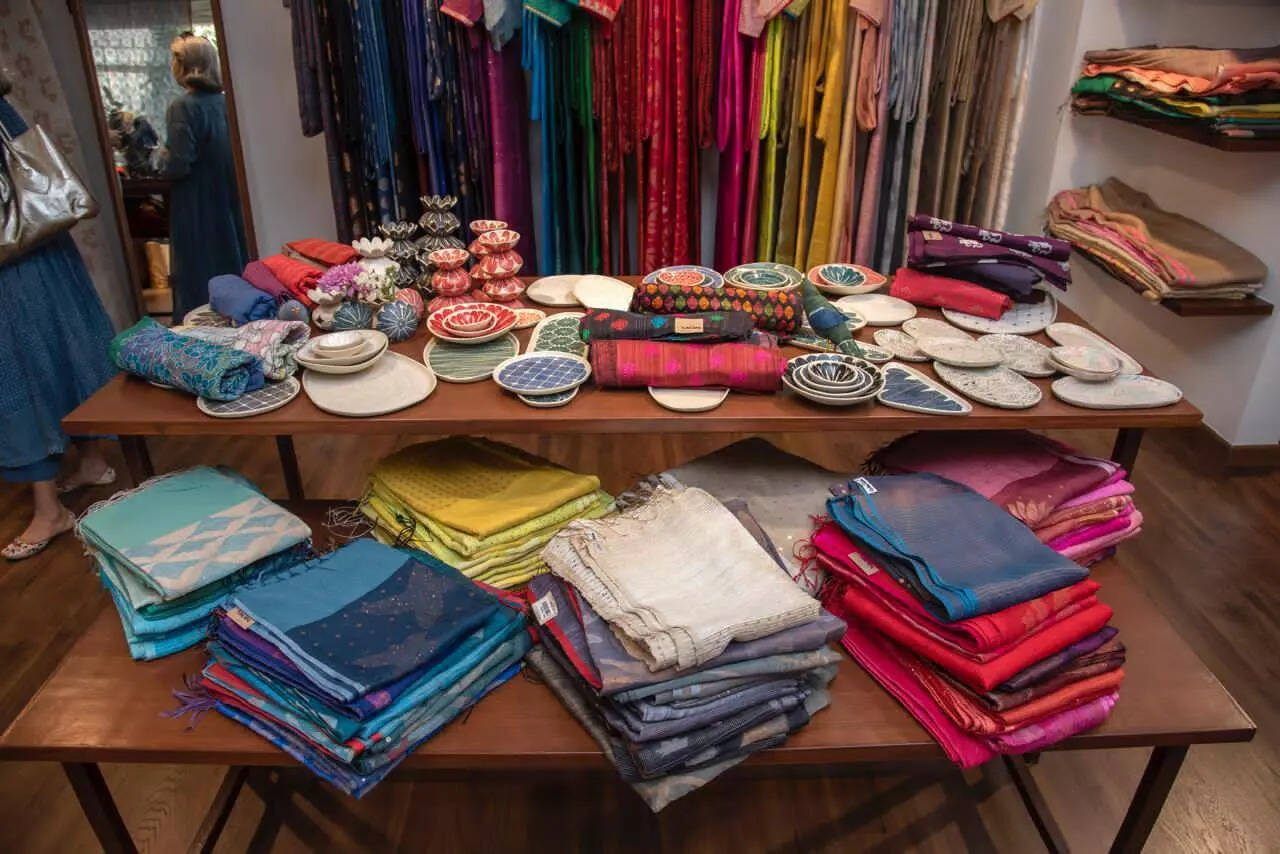
Here, sequins aren’t embroidered on top of the fabric like decorative add-ons. They are woven into the cloth itself.“The sequin here is woven into the fabric and not embroidered,” Bappaditya points out. “That’s where the uniqueness comes from.”For fashion lovers who care about construction, this is the kind of detail that makes you pause.
Woven sequins change how the fabric falls, how it moves, how it reflects light. The sparkle isn’t surface-level. It’s part of the weave, part of the structure, part of the story. It also quietly shifts the idea of ‘handloom luxury’ away from heavy embellishment into something more fluid, more modern, and honestly, more wearable.What’s interesting is how Bailou’s design language continues to evolve without ever breaking away from craft.
The brand doesn’t ‘teach’ artisans new skills or impose alien methods on them.“We never teach new skills,” Bappaditya says. “We play with different yarns to create new textures or change the motif and the design language.”There’s a deep respect here for the intelligence of the loom and the artisan. The innovation doesn’t come from replacing knowledge, but from stretching it. Different yarns. New combinations. Subtle shifts in pattern.
The craft remains intact - it just learns to speak in a new visual language.
Rooted to culture
If you look closely at this collection, you’ll notice how contemporary it feels without trying too hard to be ‘modern’. There’s no nostalgia dressing up as design. No forced references to the past. The pieces feel rooted in now.“If you see, nothing is traditional in the collection,” Bappaditya admits. “The interplay of transparency and opacity, the lay of the sequin, the design language - everything is contemporary.
But it’s using the same traditional looms and the artisans’ skill and knowledge of weaving.”
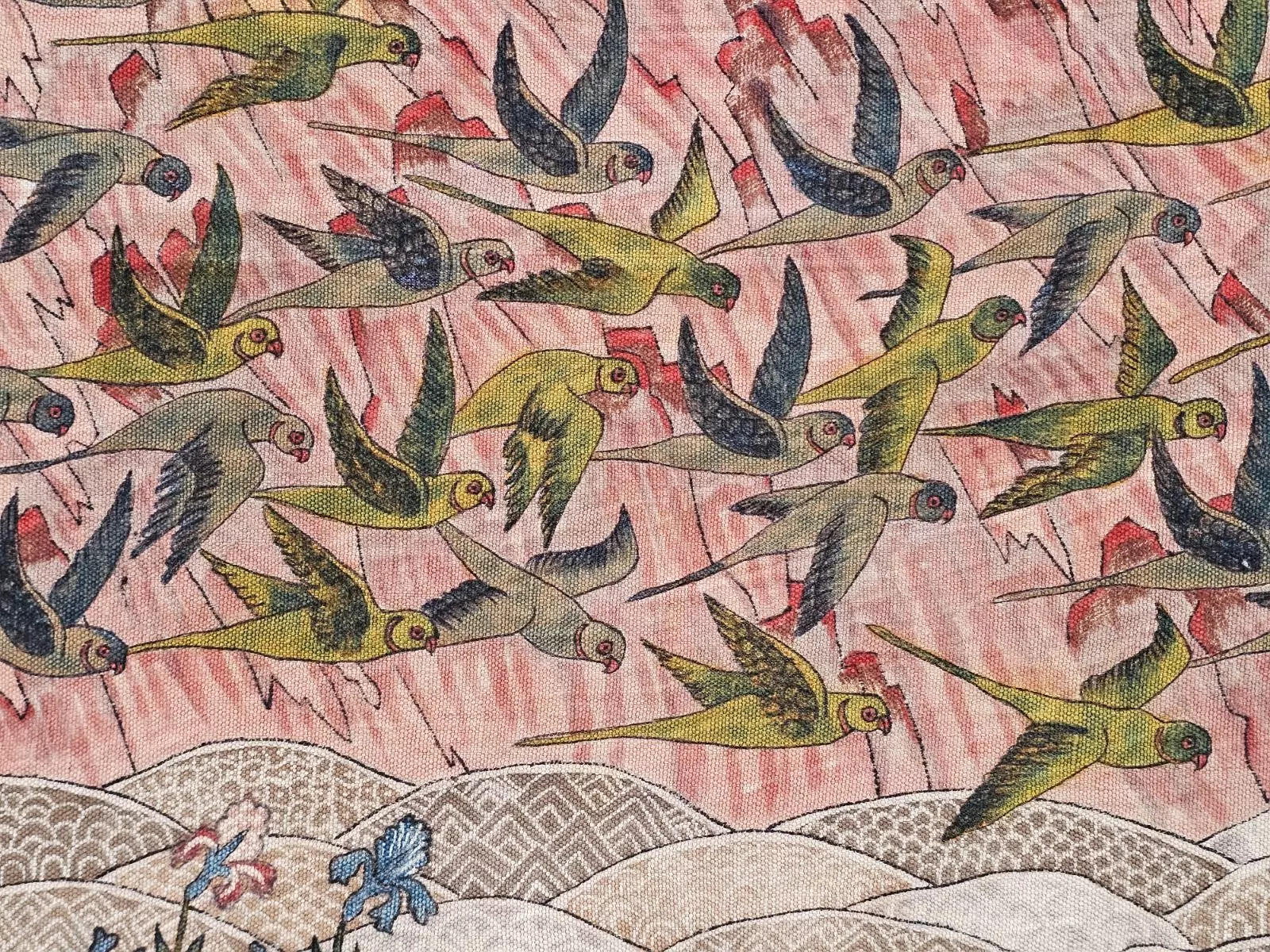
That balance is the quiet magic of Bailou. The soul of the fabric comes from age-old techniques, but the final emotion feels current. It fits into the wardrobes of people who want handloom, but don’t want to look like they’re wearing a museum piece. It speaks to those who love craft, but also live in cities, go to galleries, attend dinner parties, and want clothes that move with them.When asked if there’s one piece that captures the essence of this collection, Bappaditya doesn’t pick favourites.“The entire collection represents that,” he says. “Every sari, every piece is designed by me and then woven.”And that’s probably what fashion lovers will connect with the most - the sense that this isn’t mass-produced design dressed up as craft. Each piece carries the intimacy of design meeting loom.
Thought meeting hand. City meeting heritage.Bailou’s arrival in Colaba feels timely. In a city that thrives on speed, noise, and visual overload, this collection offers something quieter. Something you don’t just wear for attention, but for how it makes you feel - grounded, considered, and beautifully out of step with fast fashion.It’s not about shouting luxury. It’s about letting texture, weave, and craft do the talking.









 English (US) ·