

 1 day ago
7
1 day ago
7
ARTICLE AD BOX
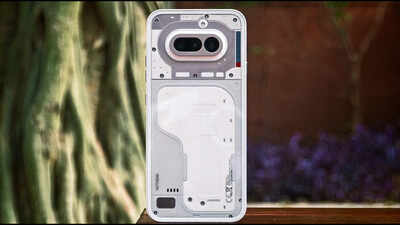
Four generations in, Nothing still makes people care—and the Phone (4a) is the clearest proof yet. At Rs 31,999, you get a 1.5K display that embarrasses the competition, a periscope telephoto that closes the gap on phones costing twice as much, software that actually gets out of your way, and a design that still turns heads without trying. The camera is a honest caveats. Everything else is a deal you shouldn't be getting.
Every year, Nothing walks into a market absolutely drowning in competent Android phones and somehow makes people care. It's a neat trick. The Phone (4a) is the latest attempt to pull it off—and it arrives at a moment when the mid-range has arguably never been more capable or more crowded.At Rs 31,999 to start, the Phone (4a) sits right in the crosshairs of some genuinely tough competition. Everyone’s throwing specs at buyers like confetti. And Nothing's own lineup is getting convoluted enough that the company probably needs a flowchart to explain it internally. Into all of this walks a phone with a transparent back, a strip of 63 flashing LEDs, and the quiet confidence that good design still counts for something.It does. Mostly.
A phone that still turns heads without trying
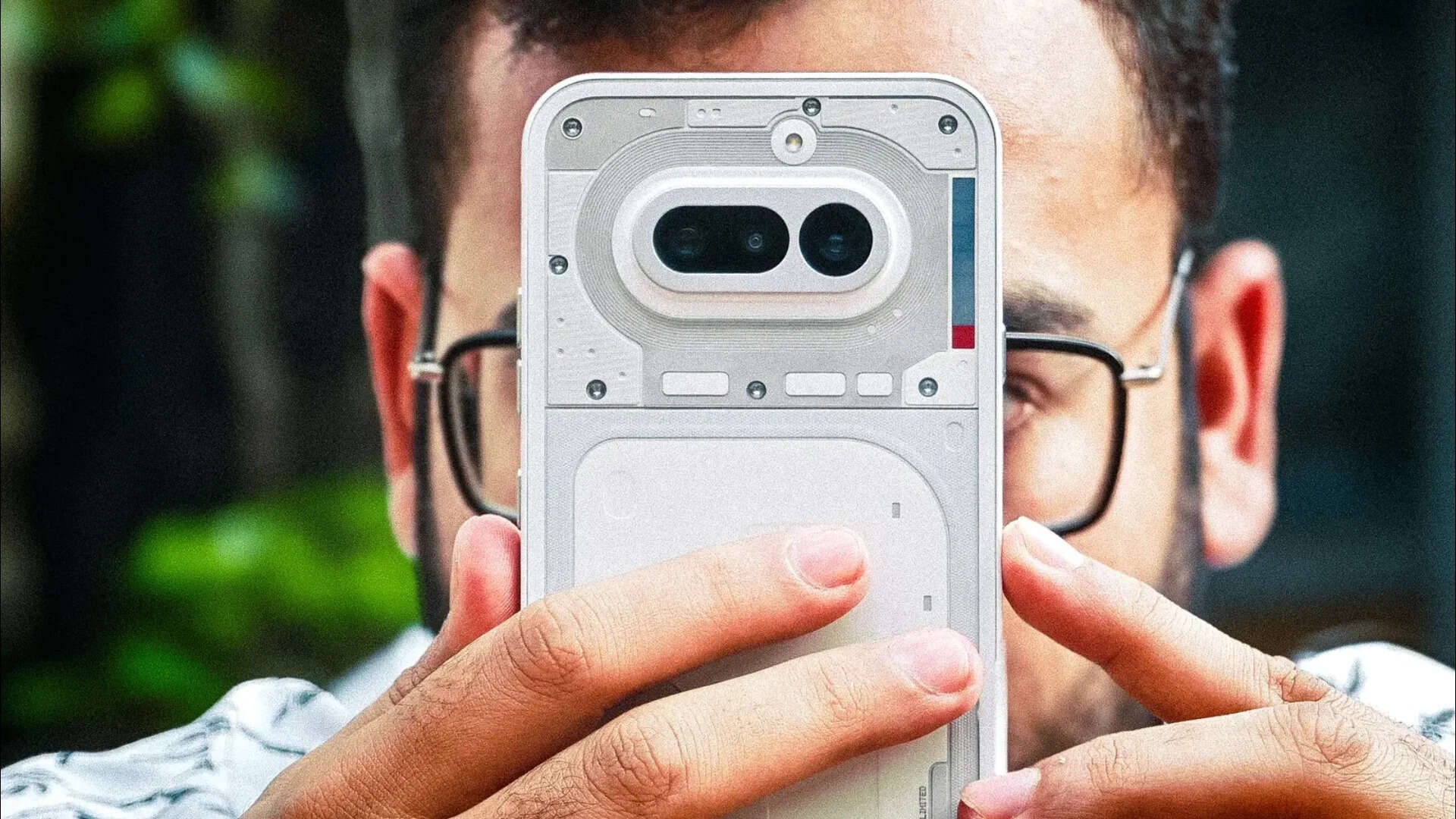
The white model. Clean lines, deliberate geometry, and a back that doesn't apologize for being interesting.
Nothing's transparent aesthetic is four generations deep now, and it hasn't run out of road. The Phone (4a) follows the same visual grammar—exposed geometry, deliberate screws, battery outlines visible through clear glass—but it feels more composed than before. The camera housing sits higher this year, giving the back a cleaner vertical flow. The see-through section underneath has softer, more rounded edges.
On the white one, it looks like a prop from a near-future film where designers remembered that things should be beautiful.The pink is the one worth talking about, though—a soft metallic blush that photographs better than it sounds, and I'd have loved to shoot it. But, Nothing clearly made it with Instagram in mind. That's not a criticism. It's a smart read of who's actually buying budget phones in 2026.
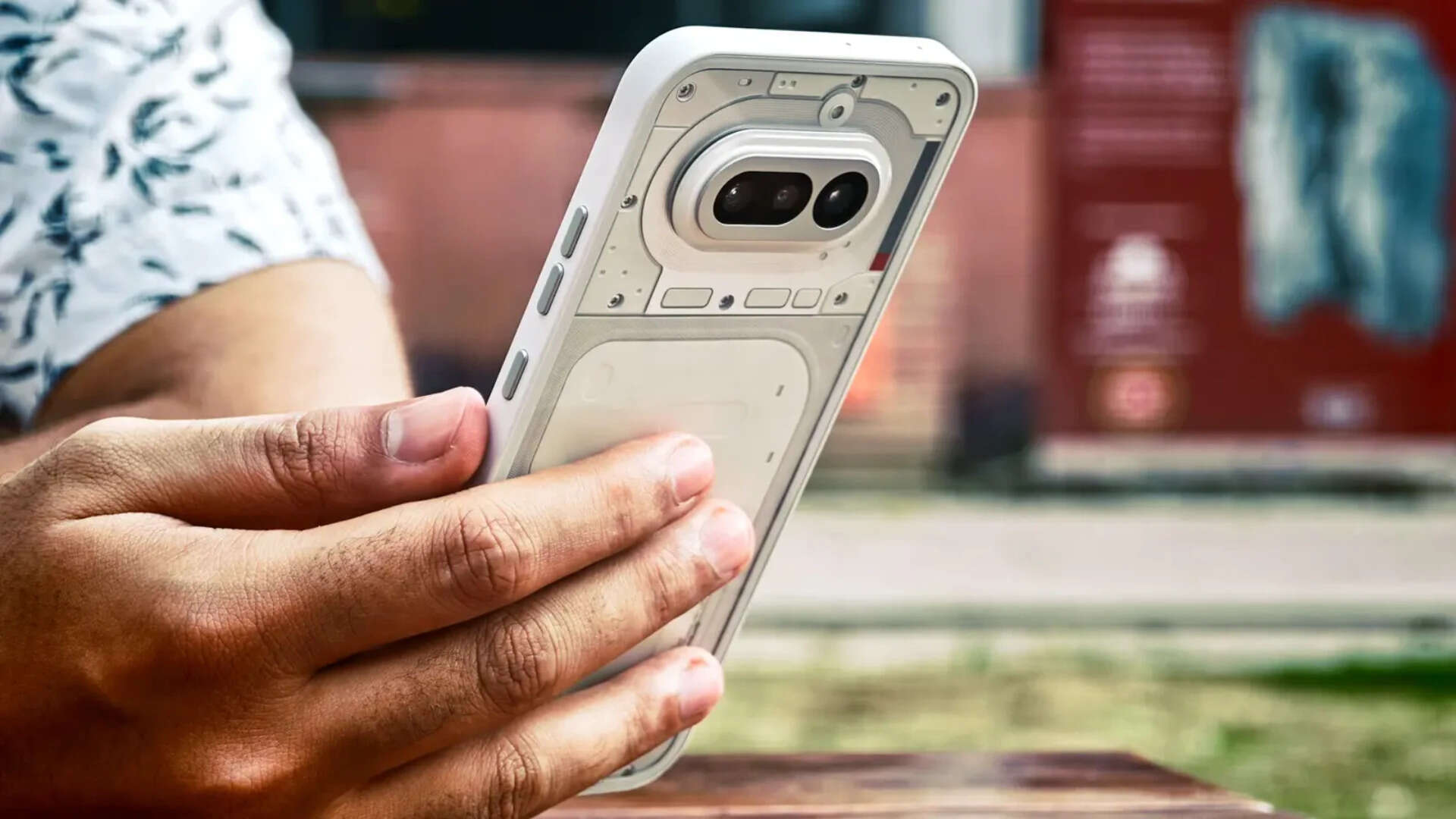
Glass back, polycarbonate frame, IP64. Feels better than the spec sheet suggests.
The build has taken a step forward. Gorilla Glass 7i on the front, glass on the back, polycarbonate frame—which sounds cheap until you hold it, because it doesn't feel cheap at all.
Nothing claims 34% better bend resistance over the Phone (3a), and the phone doesn't flex when you apply pressure. The IP64 rating is the official line, but Nothing also says it survived a 25cm submersion for 20 minutes in internal testing.
That's more than the spec implies.
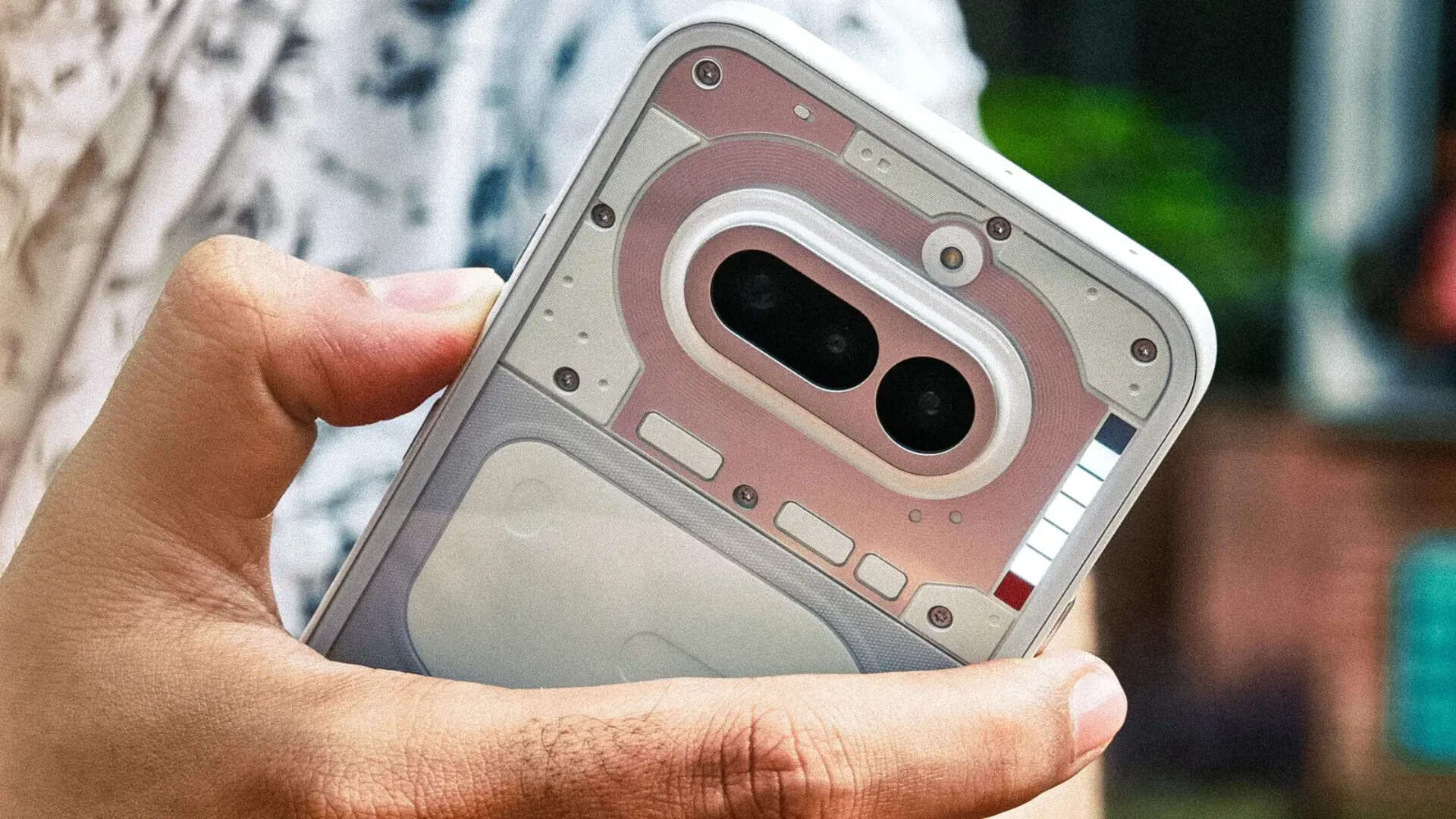
63 LEDs, six zones, 3,500 nits. Still partly a gimmick. Increasingly a feature.
The Glyph Bar—replacing the old LED strips with a vertical stack of 63 mini-LEDs in six addressable zones—is brighter, smarter, and more useful than any version that came before it.
At 3,500 nits, it's blinding in a dim room. You can set individual flash patterns for specific contacts, watch it tick down a Google Calendar meeting, track an incoming Uber ride, or use it as a volume indicator while recording audio face-down on a table.
It's still partially a gimmick. But it's a gimmick that's slowly becoming a feature—and that red recording indicator borrowed from the Phone (3), inspired by film cameras, is a cool touch.The Essential Key has moved to the left side—away from the power and volume buttons at last. On the Phone (3a), finding it by feel alone was essentially a guessing game. Small fix, overdue.
A screen that earns its screen time
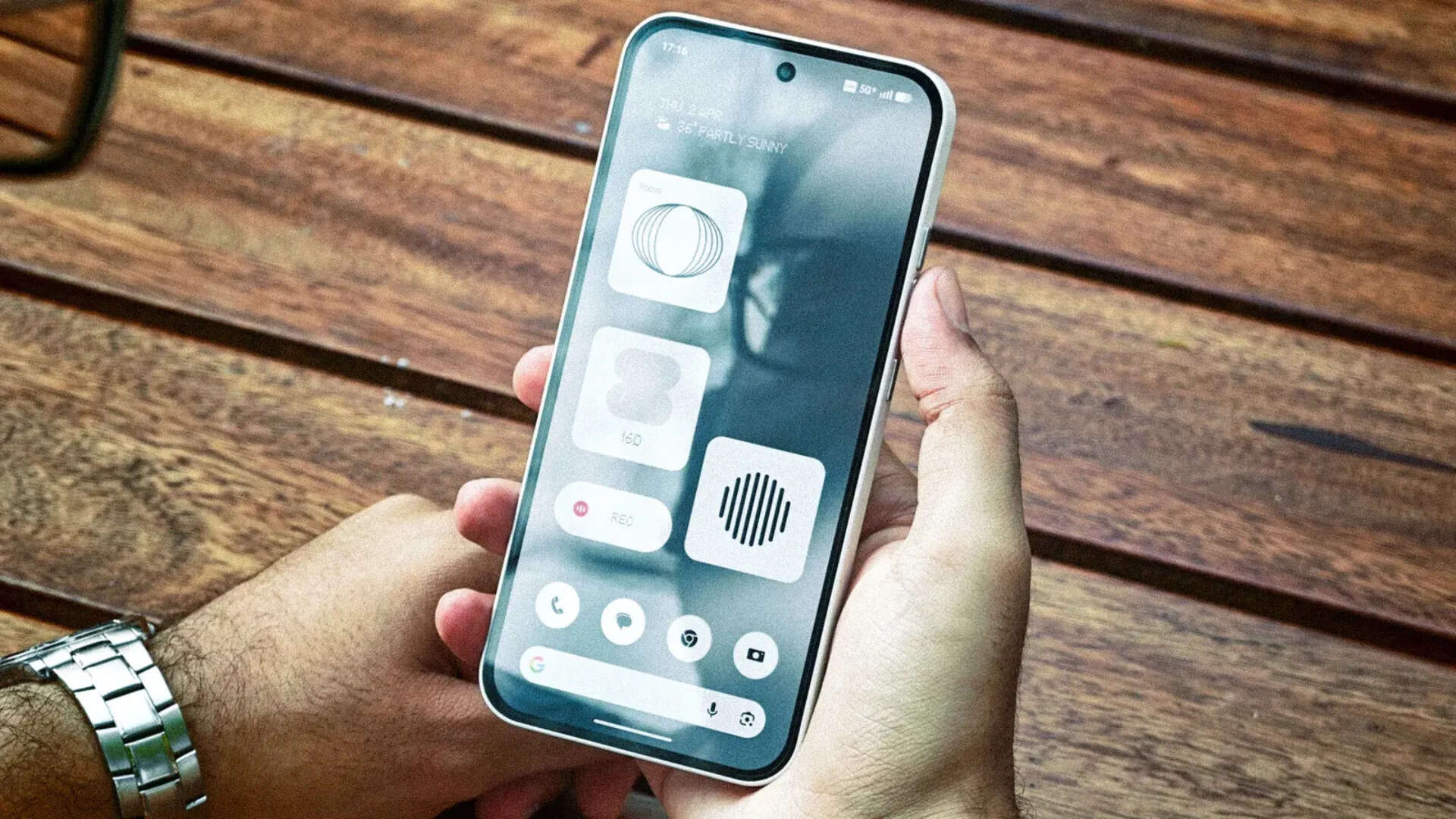
The display is where last year's biggest gripe gets quietly addressed. Nothing has bumped resolution from Full HD+ to 1.5K—1224 x 2720, landing at 440 PPI—while keeping the size same as before—6.78 inches. Text is pin-sharp. Nothing's custom UI, with its bold monochrome iconography and oversized widgets, looks exactly as intended on a display with this much pixel density.The 4,500 nit peak brightness is the headline number, but the 1,600 nit outdoor mode is the one you'll actually rely on. In direct sunlight, the screen remains readable without squinting. The adaptive refresh rate runs between 30 and 120Hz via LTPS, scaling intelligently rather than burning battery at a fixed rate. The 2,160Hz PWM dimming is a subtle but welcome addition for anyone who gets headaches from screen flicker at low brightness.Colours lean expressive in the default "Alive" preset—reds and greens hit hard—but switching to "Standard" brings things closer to accurate. Contrast is excellent. Black is genuinely black. Watching anything on this screen, at this price, feels like a deal you shouldn't be getting.The stereo speakers are competent without being memorable. They get loud, they stay clear, and they'll handle a YouTube video from across the room without embarrassing themselves.
The more interesting audio spec is aptX Adaptive support—pair the Phone (4a) with a compatible headphone and you'll hear noticeably more detail and spatial resolution than Bluetooth usually delivers.
Smooth enough to forget you're on a budget
The Snapdragon 7s Gen 4 is not a chip that will impress anyone running benchmarks. But benchmarks have always been a terrible way to understand how a phone actually feels. In daily use—multitasking, scrolling, switching between apps, shooting photos, watching video—the Phone (4a) is smooth and responsive in a way that doesn't ask you to mentally account for its price.
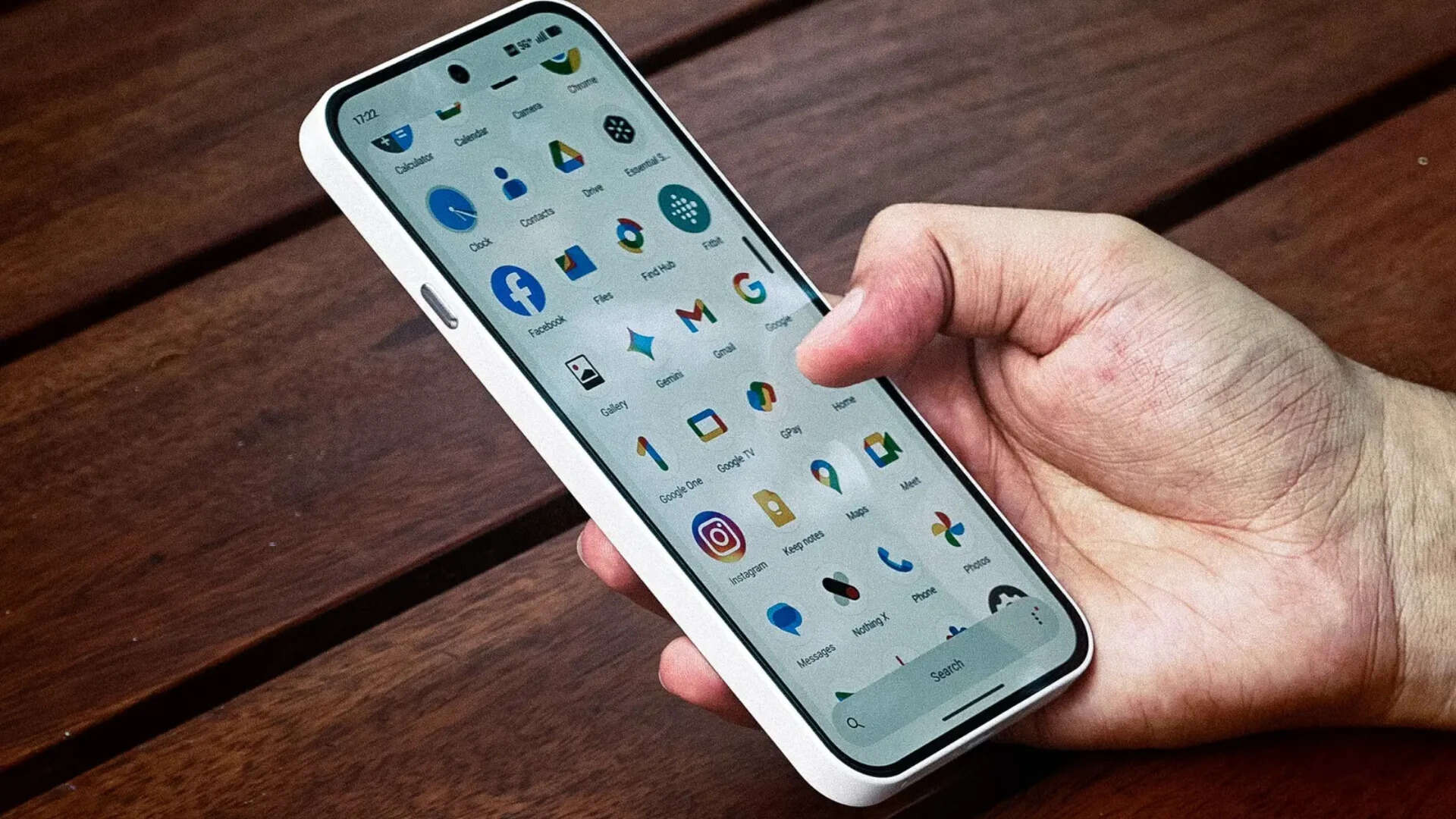
Nothing has paired the chip with storage that's genuinely faster than last year: 47% quicker reads and an absurd 380% jump in write speeds. Installing apps, saving large files, and light video editing all show the difference. The RAM Booster feature can extend effective memory to 20GB using storage, which helps with heavy multitasking.Battery life is quietly one of the phone's best arguments. The 5,080mAh cell—5,400mAh in India—routinely clears a full day of active use, and reviewers have found themselves hitting the next morning with charge to spare.
Nothing's own numbers put it at 17 hours of mixed usage. The 50W wired charging gets you to 50% in 22 minutes and fully topped up in 64. Wireless charging is absent, which will frustrate some buyers—but it's genuinely hard to feel cheated at this price.Nothing OS 4.1 on Android 16 remains the most design-coherent Android skin money can buy. Everything—fonts, widgets, icons, animations, haptic patterns—looks and feels like it was designed by the same person, in the same afternoon, with a very clear brief.
Bloatware is minimal. The keyboard has tactile feedback that's noticeably better than most phones under Rs 30,000. The software doesn't get in your way, which sounds like a low bar, but plenty of phones at this price fail it.
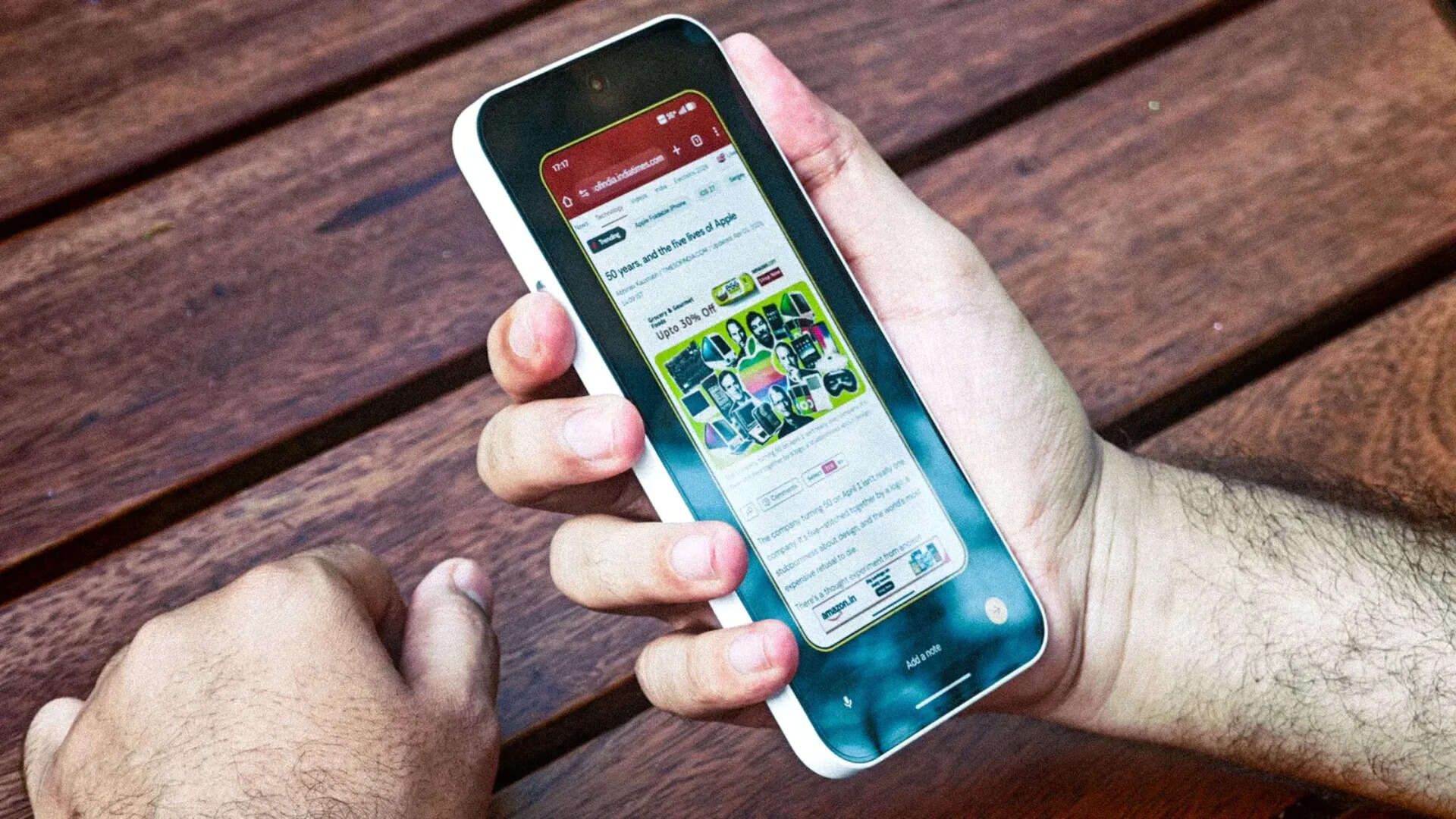
AI that sits in the background until you need it. Imagine that.
The Essential AI suite has grown into something worth paying attention to. Essential Space organises your screenshots, voice memos, and saved links automatically—tagging and clustering them without being asked.
Essential Search, accessed by swiping up from the home screen, lets you find contacts, photos, messages, and apps from a single input. Essential Voice—arriving via OTA post-launch—transcribes speech into clean, structured text, strips filler words, adapts tone, and works across 12 languages including Hindi.
None of it feels shoehorned. Nothing’s take on AI is more ambient rather than being artificial, and sits quietly in the background until you need it, rather than jumping in front of every interaction demanding to be acknowledged.
Two very different cameras in one phone
The upgrade is real. It's just concentrated in one place.
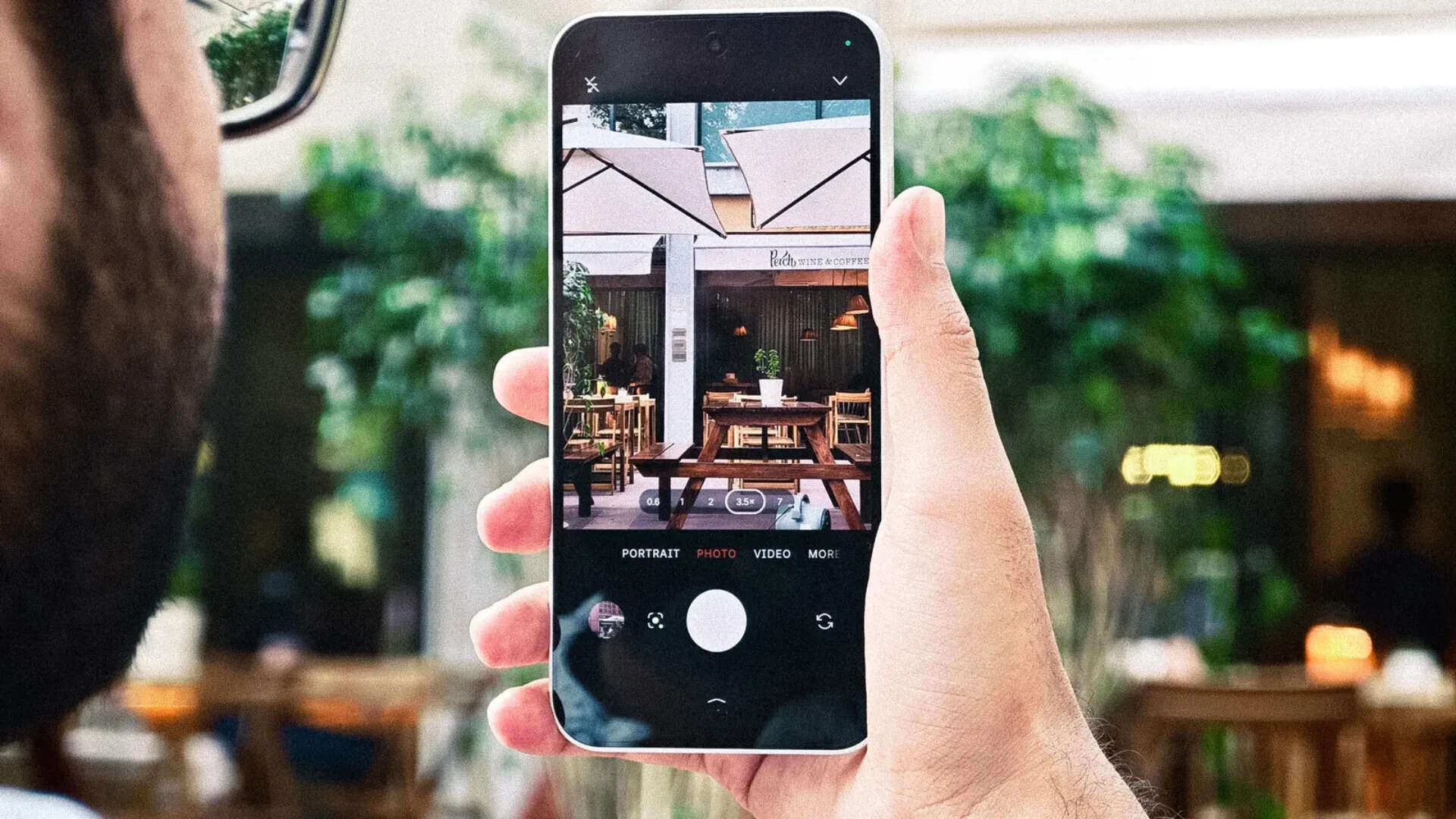
Nothing has made a real camera upgrade here, and it's concentrated almost entirely in the telephoto.

The Phone (3a) had a basic 2x lens that was fine for social media and little else. The Phone (4a) replaces it with a 50MP tetraprism periscope—the same Samsung JN5 sensor as the flagship Phone (3)—delivering 3.5x optical zoom, 7x lossless zoom via sensor cropping, and up to 70x digital. At 3.5x, the results are clean, detailed, and genuinely competitive for the price.
Portraits at the 3.5x zoom length—equivalent to 80mm—look particularly good.
At 7x, it holds up well enough to be useful. Beyond that, you're in extreme-crop territory where expectations should be adjusted accordingly.

The main 50MP Samsung GN9 wide camera is the other strong performer. It's a large 1/1.57" sensor—capturing 64% more light than the common 1/1.95" competition—and in daylight it produces images that are sharp, naturally exposed, and easy to look at.
The TrueLens Engine 4, co-developed with Google, processes a 13-frame RAW burst for Ultra XDR capture, producing noticeably better highlight and shadow detail than this hardware alone could manage.
Although, it does struggles with focusing, especially when the lights are out.Low light is where more limitations show. Night mode works, but it takes a while to process, and moving subjects will blur. Artificial lighting can throw off the colour balance in ways that feel inconsistent shot-to-shot.
The 8MP Sony ultra wide is the weakest element: softer edges, narrower dynamic range, colours that don't always match the other lenses. Several reviewers essentially stopped using it after dark. In bright, controlled conditions it's adequate. That's about as far as praise reasonably goes.Video tops out at 4K 30fps, with OIS, EIS, and AI anti-shake cooperating to produce smooth handheld footage. Slo-mo is available at 1080p 120fps. Up front, the 32MP Samsung sensor handles selfies and video calls without drama. Nothing over-beautifies, which is more than can be said for most phones in this segment—what you see in the mirror is roughly what you get on screen.
Buy it, and stop second-guessing it
The Nothing Phone (4a) is the best version of what Nothing's budget line has always been trying to be. It's a phone that looks expensive, runs cleanly, lasts all day, and takes good photos in most of the situations you'll actually find yourself in.
The periscope camera upgrade closes a meaningful gap on more expensive competition. The display is the best in the segment at this price. The software is genuinely excellent.The weaknesses are real: low-light photography is average, the ultrawide is the system's weakest link, and the battery capacity has grown by exactly 80mAh over last year—Nothing calls it the largest ever in an (a)-series phone, which is technically true and practically unnoticeable against the 6,500mAh silicon-carbon slabs flooding the market right now. Yes, there are quite a few other phones in the market over-speccing the (4a). But the elephant in the room is the (4a)'s own Pro sibling — the Phone (4a) Pro—which brings a better main camera, the Snapdragon 7 Gen 4 (it’s tad more powerful), and the circular Glyph Matrix from the flagship Phone (3). Same battery, though. The proposition sounds genuinely tempting. Also genuinely more expensive at Rs 39,999—that's Rs 9,000 more than where the Phone (4a) starts.And that's really the whole conversation, isn't it. Most people buying a phone at this price aren't stretching. And the Phone (4a) doesn't ask them to. It gives you a complete, considered, well-built phone for people who want something that feels intentional. It succeeds at that more convincingly than anything else in this price band. Nothing has been making that argument for four generations. The Phone (4a) is the argument fully made.








 English (US) ·