

 2 days ago
10
2 days ago
10
ARTICLE AD BOX

Debarati Ghosh ditched her smartphone for a day and experienced life without it
For one full day, we asked people across four generations – Gen Alpha to Gen X – to live without their smartphones. This was more of a social experiment than a detox, with the intent to observe what fails first when the most intimate piece of modern infrastructure is removed, and what reasserts itself in its absence.
What emerged wasn’t a tidy story about addiction or discipline. It was a far more revealing map of how deeply smartphones have fused into logistics, labour, memory, and self-worth, and how each generation has learned to negotiate that dependence differently.Gen X: I was calmer, more attentiveMy relationship with smartphones: My daily screen time of around 3 hours is fragmented. It’s more about communication than entertainment. I watch and comment more than create and like to engage with news and social issues. My professional communication has largely migrated to messaging apps. Complete disconnection is difficult even outside work hours. Because I book cabs, order essentials and make online payments on my phone. Whenever the phone pings I’m triggered into checking messages because duty calls!During detox: My time away from the phone made me calmer and more attentive.
I had more conversations with my family, we shared activities, and I could feel my attention was sustained. I realised smartphones reshape the time spent working and at home, demanding constant performance. I don’t mind trying this again. But only on an off day. This cannot be the new norm. – Roshni Chakraborty, mother & schoolteacher
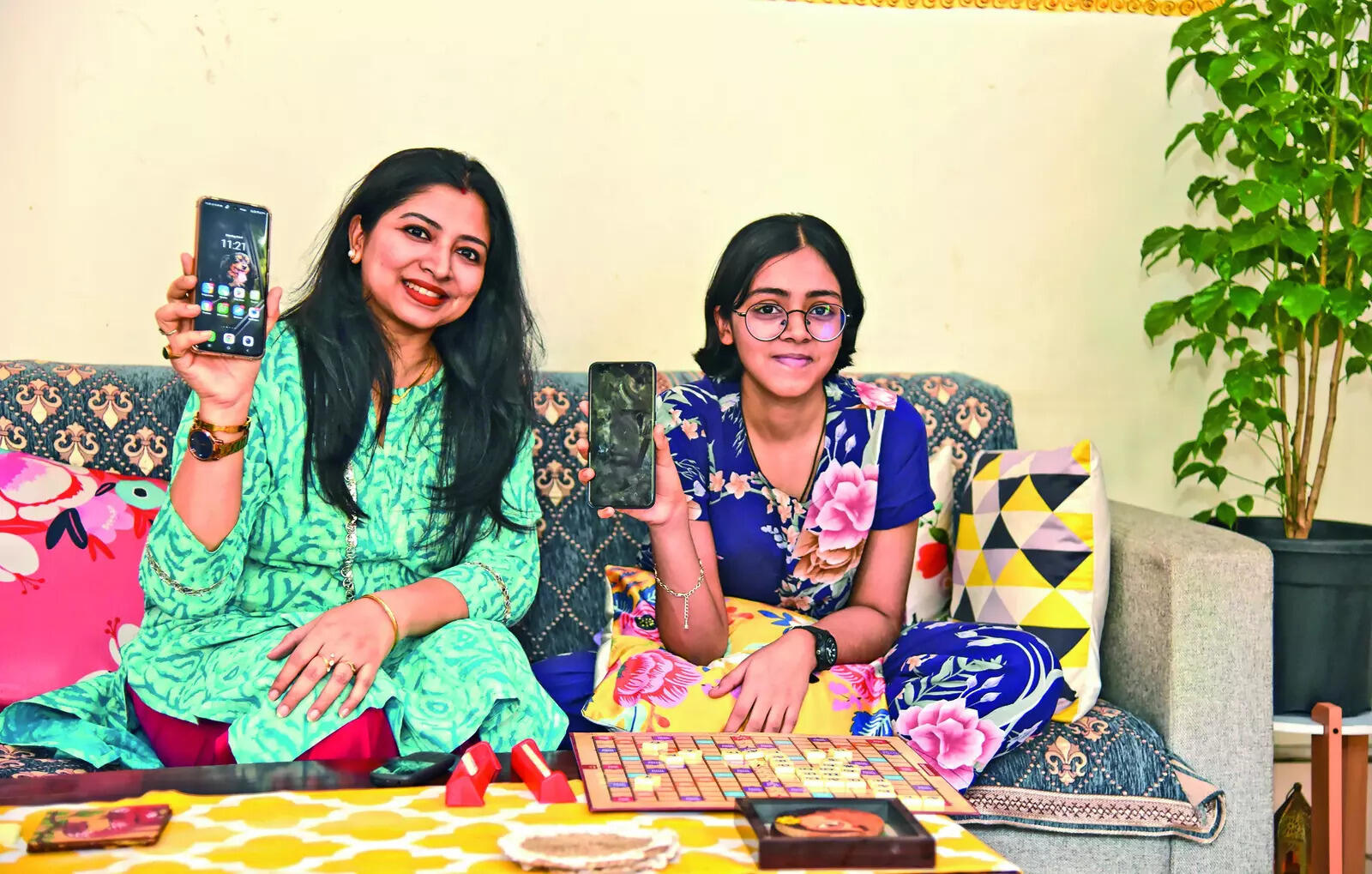
Roshni Chakraborty with daughter Aryana Chakraborty
There was a time when connection meant showing up, talking and listening. The detox reminded me of what life was like growing up, though I feel it’s difficult to sustain
Roshni Chakraborty
Gen alpha: My focus was betterMy relationship with smartphones: On school days, I use my phone for about an hour and a half, and on off days, it goes up to 2-2.5 hours. I mostly use WhatsApp, YouTube, especially reels, and play just one game – Words of Wonders. I did have an Instagram account, but my parents took it down. I’m comfortable without it now, though I miss it because of the peer pressure.
During detox: The hardest part was not chatting with my best friends on WhatsApp groups. I wanted to check messages throughout the day. Otherwise, there weren’t any major problems. Studies, tuitions and exam prep kept me busy. I did feel a bit miserable, but also felt refreshed after spending more time reading books. I played scrabble with my mom, and watched a Feluda movie with my parents. I also realised that it’s extremely difficult to spend a day without chatting with my friends.– Aryana Chakraborty, 12, student
Though I could study better and was more focused, I realised that it’s very difficult to spend a day without chatting with my friends
Aryana Chakraborty
Millennial: It was more of a practical hassleMy relationship with smartphones: I’ve never been a heavy smartphone user. On most days, my screen time stays between two to three hours, broken into short intervals rather than long scrolls. WhatsApp is what I use the most, followed by YouTube and Instagram, mainly for music and content discovery. Using Gmail and Facebook is functional rather than habitual.
I also rely on apps for reminders, music, and the phone’s audio recorder to capture song ideas when they strike.
I don’t play games, and I rarely feel the urge to be constantly online. During detox: The biggest disruption wasn’t emotional, but practical. Without reminders, my mind felt oddly cluttered. WhatsApp also became a trigger, especially when my laptop wasn’t nearby. UPI turned out to be the real problem: I couldn’t use the metro ticket vending machine and had to stand in a long cash queue, and bank transfers through net banking felt painfully slow.
But I wasn’t bored or restless at any point, as I don’t feel emotionally attached to my phone.
I can do it again.– Jaimin Rajani, 34, singer-songwriter
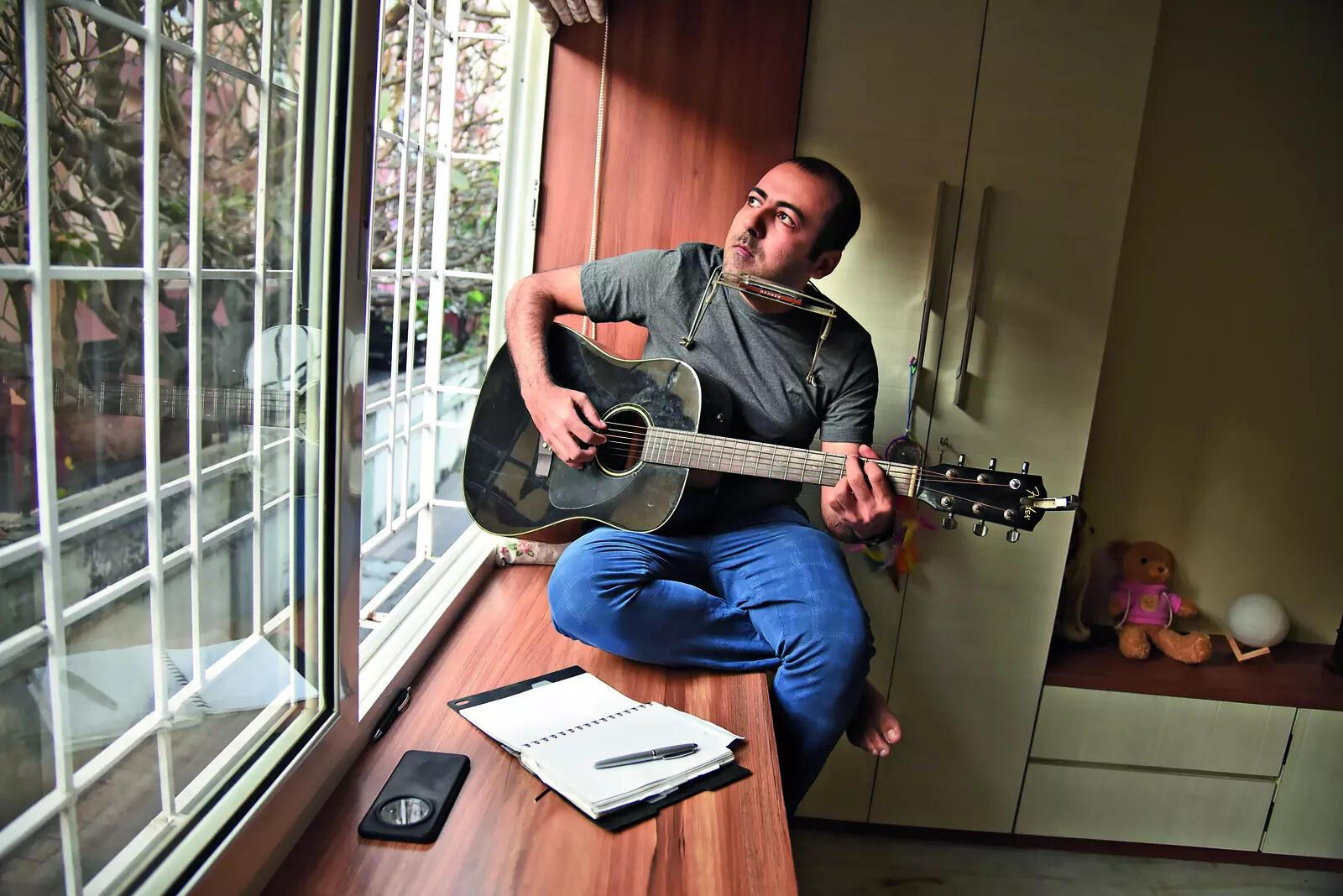
Jaimin Rajani
I realised how dependent I am on my phone for reminders and to-do lists. It showed me how much the phone has taken over memory, payments and daily tasks
Jaimin Rajani
Gen Z: FOMO made it difficult for meMy relationship with smartphones: My daily screen time averages four to five hours. About an hour is strictly work-related; the rest is mostly passive scrolling. Instagram dominates my usage, followed by WhatsApp. I also use Blinkit and Pinterest fairly often.
I’m not on Facebook or Snapchat, and I don’t play mobile games. Much of my phone use is about staying visible and relevant among my peers – keeping up, responding, engaging.During detox: WhatsApp was the hardest to ignore, especially because of work messages and updates. There was also a quiet anxiety – about missing out, about not seeming productive or present online. OTP-based logins forced me to briefly pick up the phone, but otherwise I resisted. I skipped ordering food online and stepped out instead. By the end of the day, the break felt calming and necessary, but the thought of doing this regularly still makes me anxious.
The detox made me confront how toxic passive scrolling has become for me.– Debarati Ghosh, 25, marketing associate & model
I felt some amount of FOMO without the smartphone. There was also this constant pressure to be online just to stay visible and relevant. But since I was using a dumb phone, I had long calls with my friends to make up for that
Debarati Ghosh









 English (US) ·