

 1 hour ago
6
1 hour ago
6
ARTICLE AD BOX
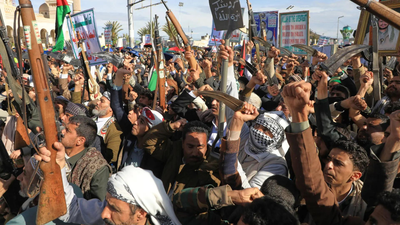
The Iran-Israel war has entered a new phase on Saturday with Yemen’s Houthi rebels launching their first strike on Israel since the conflict began. The move opens a fresh front in a war that has already spread across multiple countries and disrupted global trade and energy markets.The attack comes as the conflict marks one month, with fighting intensifying between Israel and Iran and their regional allies. Analysts warn that the Houthis’ entry could further widen the war, particularly if key shipping routes in the Red Sea are drawn into the crisis.
Houthis open new front with missile barrage
Houthi military spokesman Yahya Saree announced the operation on the group’s Al-Masirah television, claiming a barrage of ballistic missiles targeting “sensitive Israeli military sites” in southern Israel.
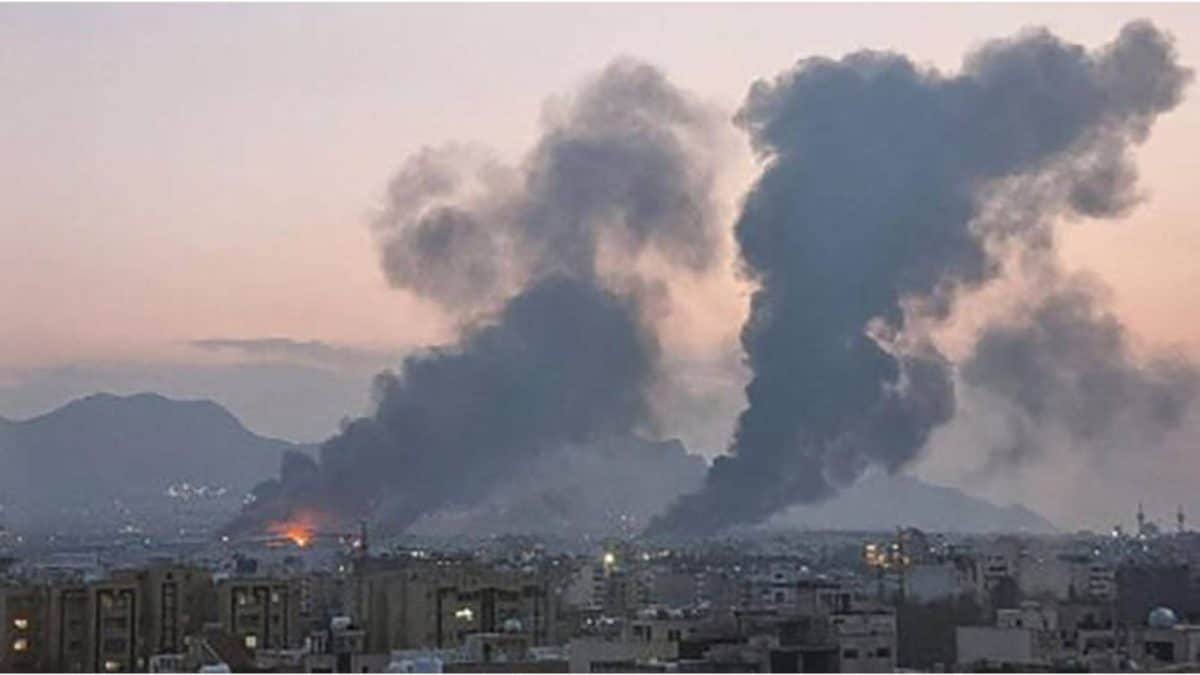
He warned that strikes would continue until what he described as “aggression” against allied groups across the region ends.Air raid sirens sounded in Beersheba and near key Israeli installations, while explosions were reported in Tel Aviv as Iran and Hezbollah also continued overnight attacks. Israeli emergency services said they were responding to multiple impact sites.The Houthis’ involvement is seen as highly consequential.
The group had previously targeted Israel during the Gaza war and attacked shipping in the Red Sea, disrupting a route through which roughly $1 trillion in goods pass annually. Their leadership has now hinted at further escalation, including the possibility of targeting vessels linked to Israel or even attempting to close the Bab al-Mandeb Strait.Experts warn such a move could severely impact global trade, especially when combined with existing tensions in the Strait of Hormuz.
One regional analyst described the scenario as “a nightmare on top of a nightmare” for international shipping.
Regional conflict deepens as Iran and Israel escalate
The Houthi strike comes amid intensified hostilities between Israel and Iran. Israeli forces have recently targeted key nuclear-linked facilities, including sites associated with uranium processing and heavy water production. Tehran has vowed retaliation, with strikes already reported on regional military bases.One of the most serious incidents involved repeated attacks on Prince Sultan Air Base in Saudi Arabia, where more than two dozen US personnel have reportedly been wounded over the past week. Missiles and drones struck the base in multiple waves, damaging aircraft and infrastructure.Meanwhile, cross-border violence has expanded. In Lebanon, fighting between Israeli forces and Hezbollah has intensified, with hundreds reported killed since the war began.
Israeli cities, including Tel Aviv, have faced repeated missile alerts, underscoring the widening scope of the conflict.Despite brief signs of diplomatic progress — including Iran allowing limited humanitarian shipments through the Strait of Hormuz — the latest developments suggest the war is moving further away from de-escalation.
Global trade and military risks rise sharply
The Houthis’ entry could have far-reaching implications beyond the battlefield.
The Red Sea, a critical artery for global commerce, may once again become a target. During earlier conflicts, Houthi attacks forced shipping companies to reroute vessels around Africa, significantly increasing costs and transit times.There are also growing concerns over military escalation at sea. The potential redeployment of the USS Gerald R. Ford into the Red Sea could expose US naval forces to sustained attacks, similar to earlier confrontations involving other American carriers in the region.The Houthis, who have controlled Sanaa since 2014, had maintained an uneasy ceasefire with Saudi Arabia in recent years. Their decision to join the conflict now risks reigniting broader regional tensions, particularly along key maritime routes.








 English (US) ·