

 1 hour ago
6
1 hour ago
6
ARTICLE AD BOX
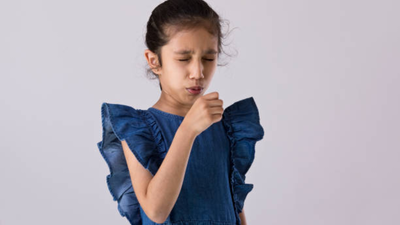
This year and last year, OPD footfall has typically risen by 20–30%, with a noticeable surge during the evening hours when symptoms tend to worsen. Overall, there has been a 30–40% increase in OPD visits that are directly or indirectly linked to air pollution.
Dr. Akshay Mehta, Senior Consultant - Neonatology & Paediatrics at Motherhood Hospitals, Greater Noida, said, “As Delhi’s AQI has remained in the poor to severe category, over the past two weeks, we have seen a clear and subtle rise in paediatric OPD visits for respiratory and allergy-related complaints compared to the non-pollution period, which was before October. This year and last year, OPD footfall typically increased by 20%-30%, and especially during evenings when symptoms tend to worsen.
In my practice, I have noticed a 30%-40% increase in the OPD visits directly and indirectly related to pollution. The number translates to 50-100 children per week presenting with cough, wheeze, and some kind of breathlessness, allergic symptoms, or recurrent infections. All age groups have been affected. But, the most vulnerable are infants and toddlers between 0-3 years old because of their immature lungs and narrow airway.
Pre-school and school-age children are also being affected, typically between 4-10 years, because of increased outdoor exposure, and they go out for sports and school commutes. Nonetheless, babies who are staying indoors also have an impact. It is time for them to socialize and play outdoors. Because of the poor air quality, this hasn’t happened in the last few months. Needless to say, children with asthma, allergic rhinitis, or recurrent wheeze are also prone to excessive patients.”Dr Akshay further added,” The warning signs could be a persistent dry cough, especially at night or early morning, frequent throat clearing, or nasal congestion without fever, watery eyes, sneezing, itchy nose, reduced stamina, easy fatigability, or breathlessness during play, or increased use of inhalers in asthmatic children. Ignoring these symptoms can lead to worsening of respiratory illnesses if the exposure continues.
Some simple but effective measures which parents can take include avoiding outdoor activities when AQI is poor, keeping windows closed during peak pollution hours, using an air purifier in the child’s bedroom, wearing a well-fitted mask when outdoors for those who are 6 years and above, maintaining good hydration and a balanced diet by including antioxidants. Those who are allergic or asthmatic need to continue using their prescribed inhalers and not stop them on their own. Every medical consultation is a crucial step.”









 English (US) ·