

 1 hour ago
7
1 hour ago
7
ARTICLE AD BOX
Last Updated:April 28, 2026, 18:27 IST
The UAE has announced its formal withdrawal from the Organisation of the Petroleum Exporting Countries (OPEC) and the broader OPEC+ alliance


In an official statement released via the state news agency WAM, the UAE energy ministry clarified that the exit followed a "comprehensive review" of its production policy. Representational image
The global energy landscape shifted on its axis on Tuesday, as the United Arab Emirates (UAE) announced its formal withdrawal from the Organisation of the Petroleum Exporting Countries (OPEC) and the broader OPEC+ alliance. The decision, which takes effect on 1 May 2026, marks the end of nearly six decades of membership for the Gulf nation and delivers a profound blow to the group’s ability to dictate global oil prices.
National Interest and Market Flexibility
In an official statement released via the state news agency WAM, the UAE energy ministry clarified that the exit followed a “comprehensive review" of its production policy. Abu Dhabi has long argued that its significant investments in increasing production capacity—aiming for 5 million barrels per day (bpd) by 2027—were being stifled by the strict quotas imposed by the OPEC+ framework.
By leaving the cartel, the UAE regains the sovereignty to set its own output levels. The ministry emphasised that the move is rooted in its “national interest" and a desire to meet pressing global market needs more effectively. This pivot allows the UAE to monetise its vast reserves more aggressively, a necessity as it funds its long-term transition towards a more diversified economy.
A Widening Geopolitical Rift
The timing of the departure is particularly sensitive, occurring amidst regional instability and an ongoing conflict with Iran that has rattled energy markets. Reports suggest a growing friction between the UAE and Saudi Arabia, the de facto leader of OPEC. Tensions have simmered over the UAE’s perception that fellow Arab states have not provided sufficient protection against regional security threats, particularly attacks affecting maritime traffic in the Strait of Hormuz.
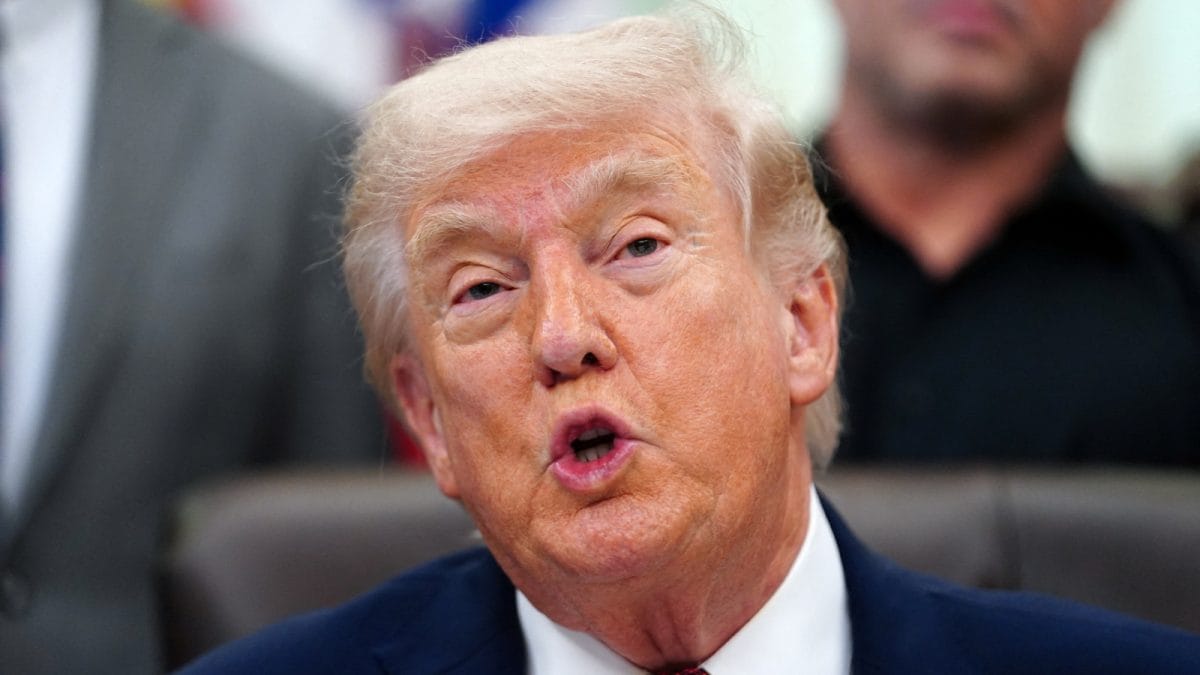
This exit is being viewed as a significant diplomatic win for US President Donald Trump, who has frequently criticised OPEC for inflating global oil prices. For the UAE, the move aligns its energy policy more closely with its primary security allies in the West, favouring market-driven pricing over the managed stability favoured by Riyadh and Moscow.
The Future of the Cartel
The loss of the UAE, one of OPEC’s few members with significant spare capacity, threatens to undermine the group’s collective bargaining power. Analysts warn that this “stunning loss" could trigger a domino effect or a price war, as other members may now feel compelled to exceed their quotas to maintain market share. As the “national ship" of the UAE’s economy sets a solo course, the remaining members of OPEC+ must now navigate a world where one of their most reliable pillars has chosen independence over cooperation.
Handpicked stories, in your inbox
A newsletter with the best of our journalism
First Published:
April 28, 2026, 18:24 IST
News world OPEC 'Minus One': UAE’s 'Strategic Exit' Shakes Up Global Energy Landscape
Disclaimer: Comments reflect users’ views, not News18’s. Please keep discussions respectful and constructive. Abusive, defamatory, or illegal comments will be removed. News18 may disable any comment at its discretion. By posting, you agree to our Terms of Use and Privacy Policy.
Read More





 English (US) ·