

 1 week ago
12
1 week ago
12
ARTICLE AD BOX
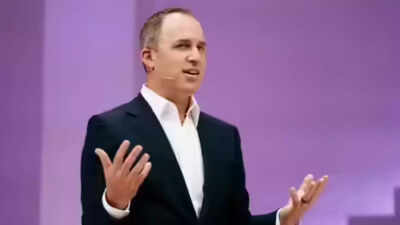
Bret Taylor, OpenAI’s chairman has now made it clear that he does not want the board members to rely on AI tools to prepare for meeting. According to a report by Business Insider, speaking on the Uncapped with Jack Altman podcast, Taylor said that he prefers concise but detailed written documents over slide presentations.
“You end up letting people synthesize information ahead of the board meeting, so you end up with more substantive discussions in the board room,” he explained.Taylor, who is also the former co-CEO of Salesforce and cofounder of AI startup Sierra, believes that writing without AI forces the board members to clarify their thoughts. He also expects the member to read the material ahead of time, which keeps meetings focused on the “meat and potatoes” of strategic issues rather than reviewing data for the first time.
A different take on memo culture
The approach of Taylor echoes the same sentiment of Jeff Bezos’ memo-driven meetings at Amazon, though with a twist. While Bezos favored dense six-page memos, Taylor prefers brevity, saying shorter documents reflect careful thought and respect for stakeholders. “If I had more time, I would have written a shorter letter,” he noted, emphasising the value of concise communication.Although Taylor discourages AI use in board prep, he acknowledged its potential in high-stakes contexts.
He predicted regulators may eventually require AI agents to oversee certain processes, arguing that human-only controls could become a liability.
OpenAI’s Bret Taylor shares his thoughts on AI bubble
Last month, the OpenAI chairman shared his thoughts on AI bubble. Taylor stated that artificial intelligence is "probably" a bubble and expects a market correction in the coming years. Speaking at the World Economic Forum in Davos on Thursday, Taylor told CNBC that both "smart money" and "dumb money" are currently funding AI competitors at every layer of the tech stack."When everyone knows that AI is going to have a huge impact on the economy across a huge range of industries and workflows, money is plentiful," Taylor explained. He added that while he expects consolidation and correction over the next few years, innovation requires "that kind of messy competition."Taylor, who also co-founded AI customer service startup Sierra, described himself as an AI optimist despite his bubble concerns. He believes the free market will ultimately determine which AI players have the best products and where the real value lies.







 English (US) ·