

 35 minutes ago
2
35 minutes ago
2
ARTICLE AD BOX
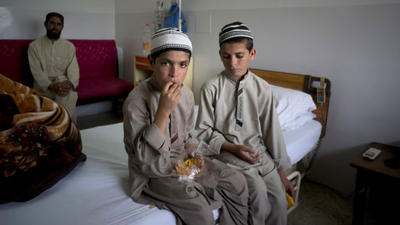
In a remote village in Pakistan’s Balochistan province, two brothers became the centre of a global medical mystery after doctors observed a striking day-night pattern in their condition.
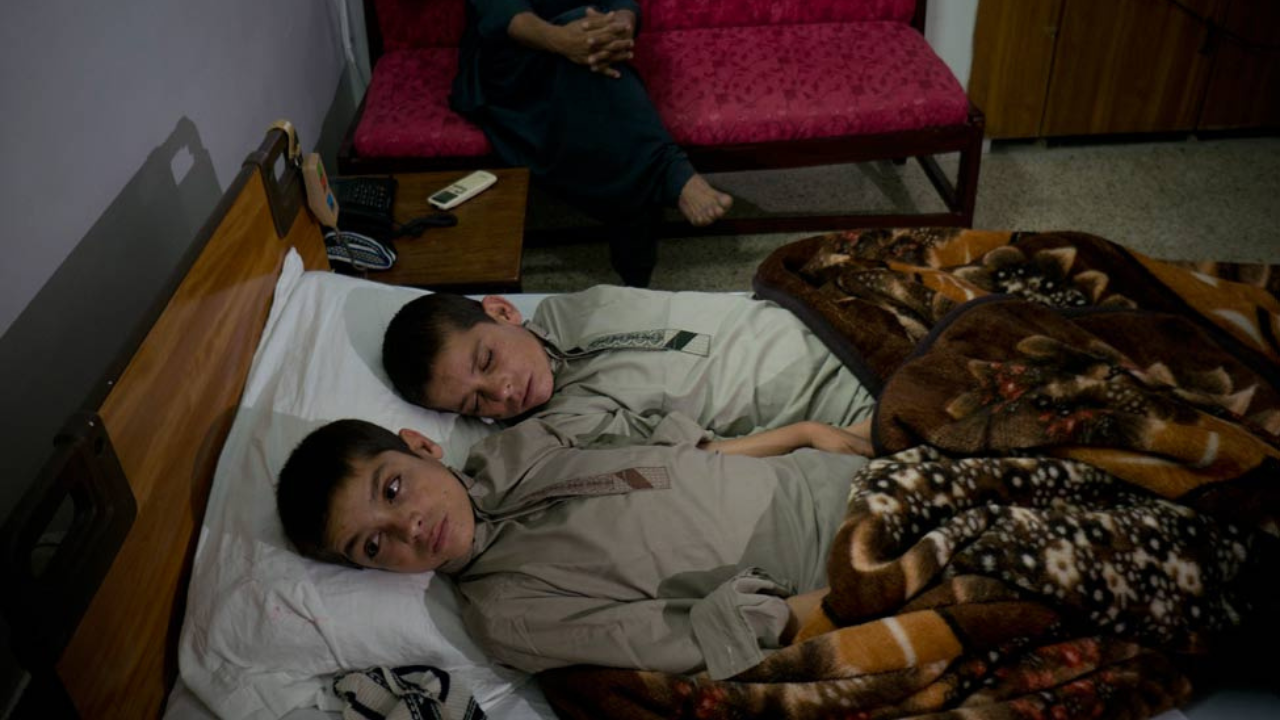
During daylight hours, the boys could walk, play, laugh and behave like healthy children. But after sunset, their bodies weakened and they became unable to move or speak properly. The unusual case drew attention from doctors and scientists around the world. The most unusual aspect of the case was the stark contrast between day and night, as the brothers could function normally in daylight and then struggle to move or speak after sunset.
Who were Pakistan’s ‘solar kids’?
According to reports, the brothers, Abdul Rasheed and Shoaib Ahmed, lived in a village near Quetta and first gained international attention in 2016 after Pakistani doctors began studying their condition. Reports at the time said the boys appeared normal during the day but became severely impaired after dark. Their father told media outlets that the children would stop functioning properly as evening approached, creating a pattern that led local residents to call them the “solar kids”.
The nickname spread quickly, although doctors stressed that sunlight itself was not believed to be the cause.The case confused medical experts since the symptoms seemed to track the setting of the Sun. Early theories ranged from metabolic disorders to unknown neurological conditions. Doctors carried out blood tests, brain scans and genetic investigations, while also consulting international specialists.The most widely discussed explanation was that the brothers likely had a dopamine-related neurological disorder. Reports linked the case to dopa-responsive dystonia, or a related movement disorder, but no final diagnosis was ever publicly confirmed in a formal medical publication.
What is dopa-responsive dystonia?
Dopa-responsive dystonia, also known as Segawa disease, is a rare inherited neurological disorder that affects movement and muscle control.
It usually begins in childhood and can cause stiffness, involuntary muscle contractions, difficulty walking and severe movement problems.A key feature of the condition is diurnal fluctuation, where symptoms worsen later in the day and improve after sleep or rest. That pattern fits the strange behaviour seen in the Pakistani brothers: active during the day, then weak and nearly motionless after sunset. Doctors also believed dopamine regulation in the nervous system may have played a role.
Dopamine is a neurotransmitter involved in movement and coordination.No scientific evidence suggested that the boys were literally powered by sunlight. The timing of the symptoms created that impression, but doctors later clarified that the condition was neurological rather than solar-related.The more likely explanation is that the brothers’ symptoms followed the body’s internal daily rhythm. Their condition worsened as the day progressed, which made the story seem almost supernatural, even though the underlying cause was medical.
What treatment revealed
Pakistani doctors later reported that the boys improved after receiving medication. Some reports said they were better able to sit, walk and move after treatment with dopamine-related medicine, which strengthened the theory that the condition was linked to dopamine dysfunction.That said, the improvement was not the same as a complete cure. Public reporting did not confirm that the brothers returned permanently to normal health, and no major medical authority publicly announced a final diagnosis or long-term resolution.
Available reports suggest they improved, but remained under observation and treatment.The story of Pakistan’s “solar kids” spread globally since it appeared to challenge ordinary medical understanding. Two brothers who seemed healthy in daylight but nearly immobile after sunset captured attention far beyond Pakistan. The case combined mystery, genetics and human curiosity.









 English (US) ·