

 1 hour ago
3
1 hour ago
3
ARTICLE AD BOX
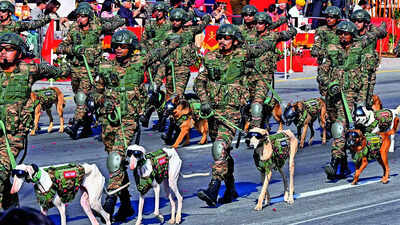
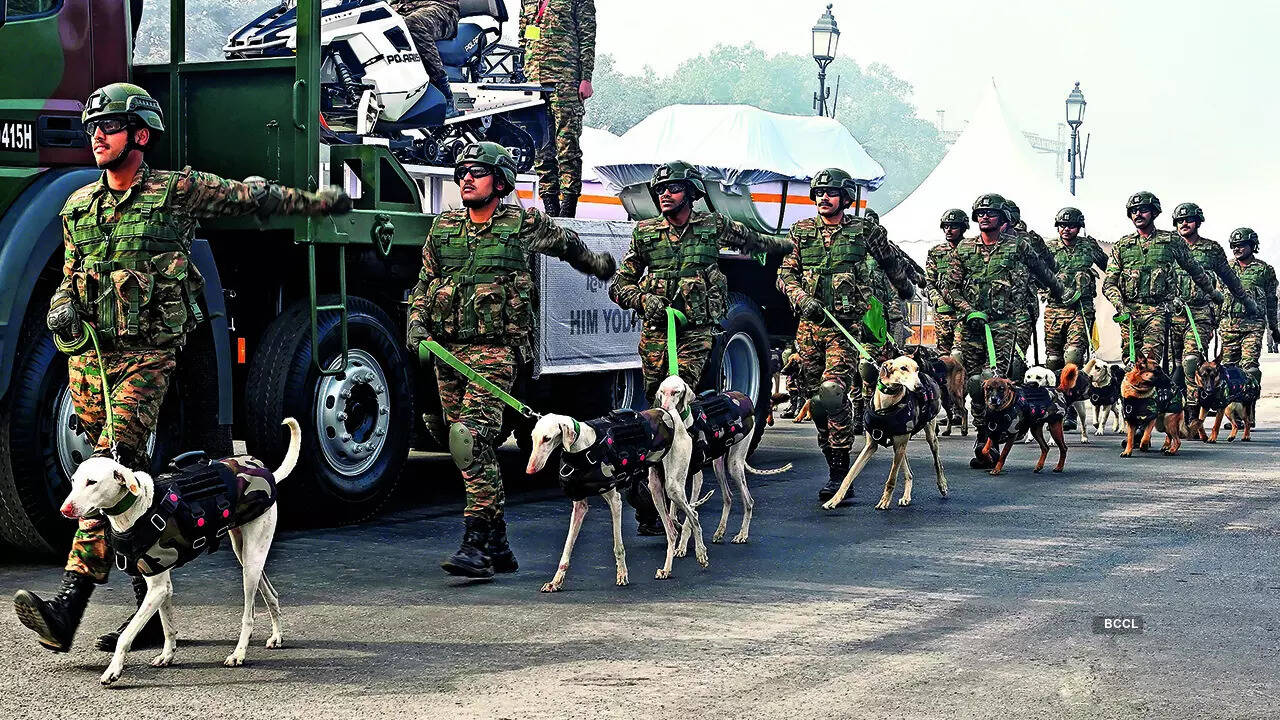
During 77th Republic Day parade in 2026, India's indigenous dog breeds, including the Rampur and Mudhol Hound, marched on Kartavya Path for the first time as part of the Indian Army's Remount and Veterinary Corps animal contingent.
Once known for guarding villages and accompanying royal hunts, the native Indian dogs were seen at the parade for the first time, bringing long-overdue public attention to the indigenous breeds that have largely worked away from the spotlight.
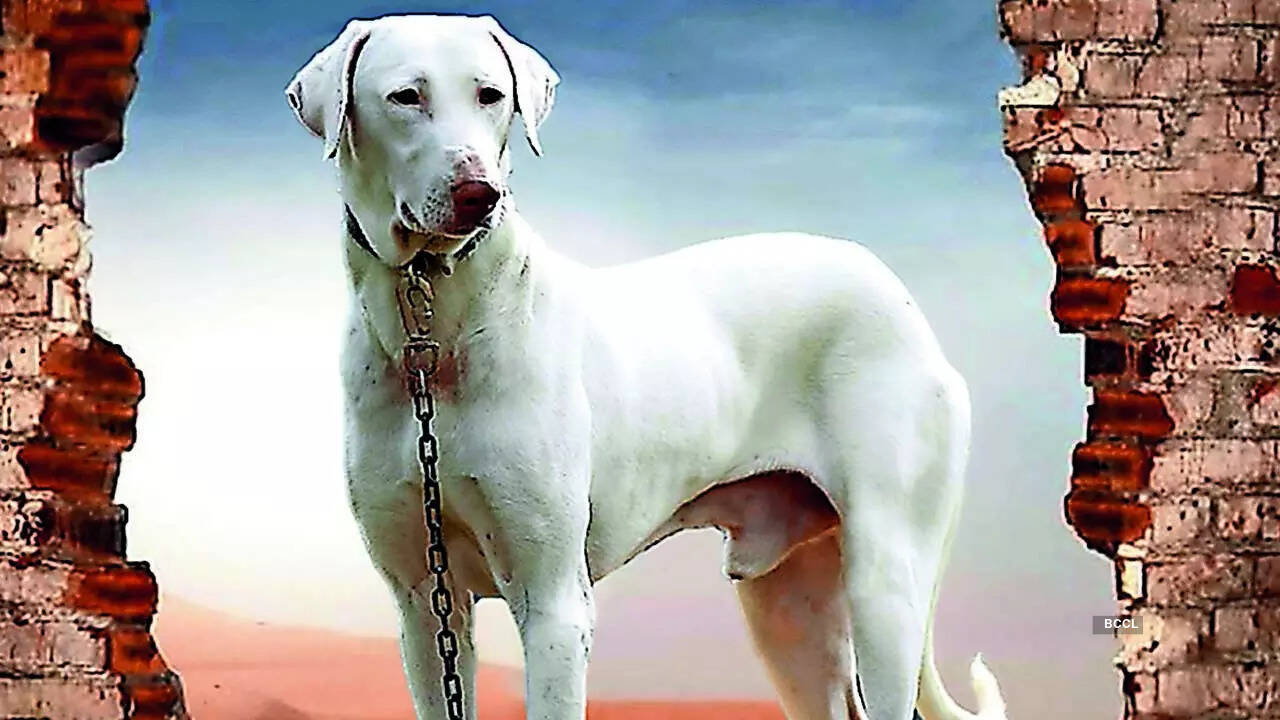
The Rajapalayam breed of dogs is being used by the Army and the BSF for security missions
How the RVC is giving India's native dogs a second lifeAs part of the Indian Army's push to induct indigenous dog breeds into active service, the Rampur Hound, a rare sighthound from Uttar Pradesh, has been taken up by the Remount and Veterinary Corps (RVC) following the success of the Mudhol Hound trials that began in 2016.
Ten indigenous dogs were shortlisted from an initial group of 22 for the ceremonial Republic Day march at the RVC Centre in Meerut. "Indigenous breeds were not formally inducted until trials with the Mudhol Hound began at RVC Meerut in 2016," shares Shantanu Pratap Singh, PRO Defence Lucknow, talking to Lucknow Times.
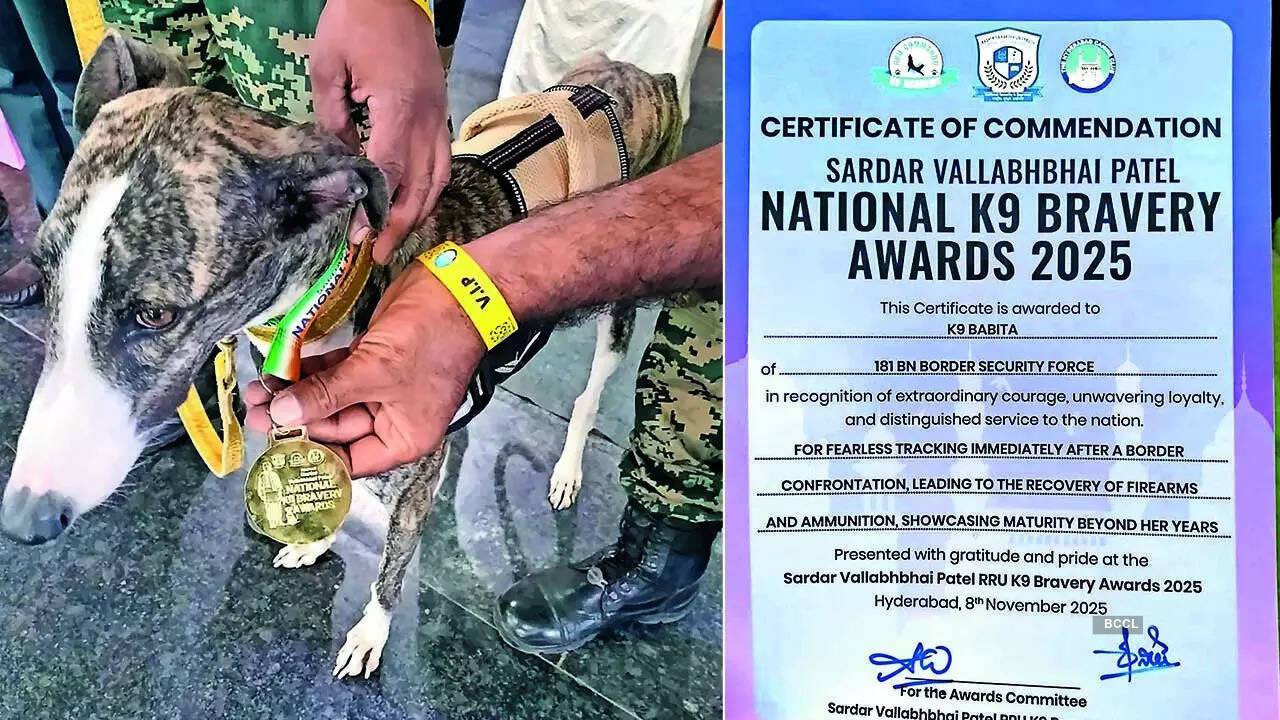
Indigenous Rampur breed K9 - Babita of BSF was honoured with the Sardar Vallabhbhai Patel National K9 Bravery Award 2025 at Hyderabad. The award was given in recognition for her fearless tracking after a border confrontation, which lead to recovery of firearms and ammunition
He further adds, "Following the successful training and deployment of Mudhol Hounds, the Army expanded trials for other native breeds, including the Rampur Hound and Rajapalayam.
The induction of the Rampur Hound is not only an operational decision but a conscious step towards conserving India's indigenous canine heritage. The breed was facing a real risk of decline after the end of princely hunting traditions.
Army induction creates structured demand, systematic breeding and long-term institutional support. Controlled breeding practices help preserve health, working ability and genetic stability.
Our objective is not merely deployment, but to ensure that rare indigenous breeds move from a vulnerable status to a stable, self-sustaining working population. In that sense, service with the RVC becomes conservation in action," he says.
(BCCL/ Agencies)
The impact, the RVC says, extends well beyond the Army. "The visibility that comes with service in uniform, whether through training demonstrations, ceremonial parades, plays a crucial role.
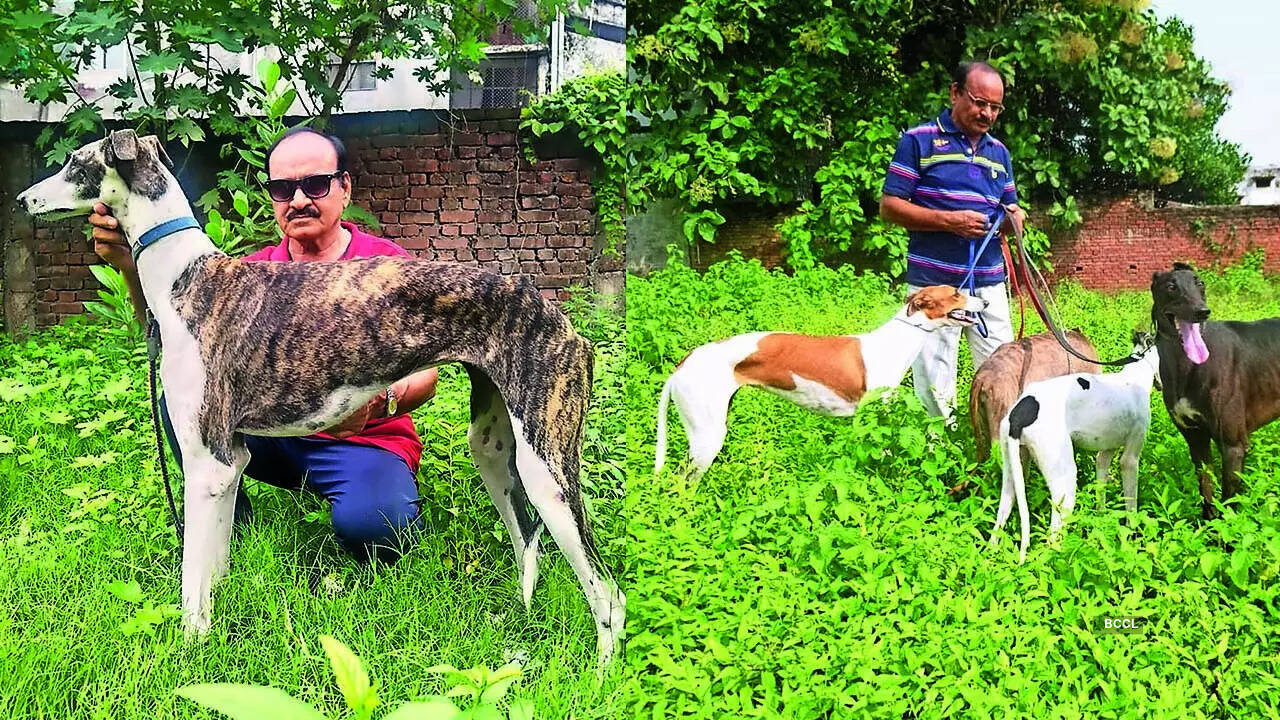
It creates awareness and confidence among civilian breeders and state police forces, similar to what we saw after the induction of the Mudhol Hound,'' he added.Irshad Khan: The man who put Rampur Hounds on the global mapA few years ago, the Rampur Hound was known largely to people within Uttar Pradesh. In June 2021, Lucknowite Irshad Ali Khan, a retired engineer and a canine heritage conservationist, got the breed internationally recognised.
“Rampur Hound is the pride and legacy of Uttar Pradesh and India. Once, they were royal dogs kept by the Nawabs. There was a time when Rampur alone had around 6,000 dogs of this breed. Today, it is difficult to find even a single dog of this lineage in Rampur.
They are extremely agile, loyal and commanding dogs. After years of continuous effort, we succeeded in getting the breed international recognition. It is now India’s only dog breed registered with the World Dog Federation,'' says Khan.
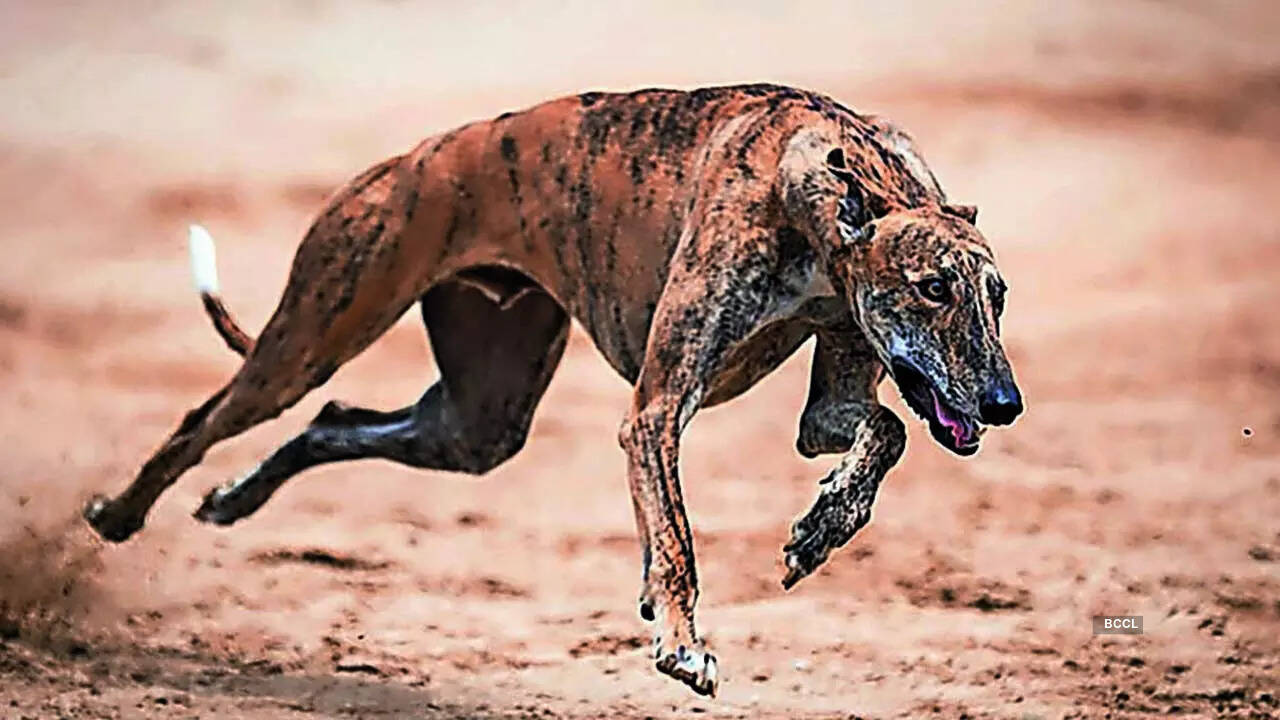
“Following the successful training and deployment of Mudhol Hounds, the Army expanded trials for other native breeds, including the Rampur Hound and Rajapalayam. The induction of the Rampur Hound is not only an operational decision but a conscious step towards conserving India’s indigenous canine heritage,” says Shantanu Pratap Singh, PRO Defence Lucknow.
He recalls that when he began attending Kennel Club of India dog shows in the late 1990s, the breed had almost vanished from public memory.“Around the late 90s, when I started going to the dog shows of the Kennel Club of India, I saw there were no Rampur Hounds. People didn’t even know about this breed. So, I started taking the breed to the shows. From there began the process of awareness and appreciation towards indigenous breeds, which people had lost touch with because of the craze for foreign breeds,” Khan adds.Irshad Khan is also credited with the redrafting and revival of the Tazy sighthound.“I wrote a letter to the Nizam of Hyderabad to get the Tazy Hound recognised by the Kennel Club of India. Later, around 2002, when I took the breed to the all-India level dog show, the Indian breed did the inauguration of the show,” he says.
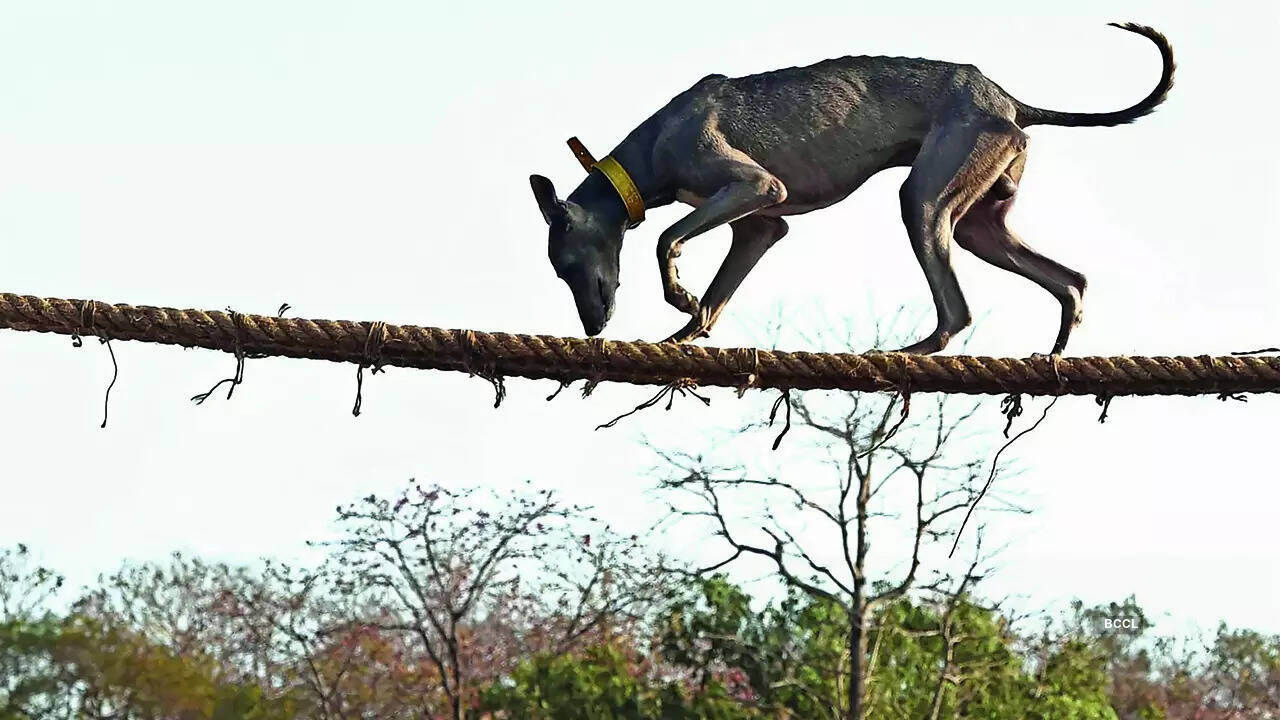
BCCL
Talking about the challenges of breeding and conservation, Khan explains how breed standards have been compromised over time.“We
grew up watching taller, well-built and larger Tazy and Rampur Hounds, but with time, they have become curr (short in height) because of mixing with different breeds. In Rampur Hounds, we maintained the breed through methods like cross-breeding. The numbers were not large, but we were able to revive a good number.
To maintain a pure breed requires an eye to recognise identifiable characteristics,” Khan stresses.Speaking about the Republic Day parade spotlight on indigenous dog breeds, Irshad Ali Khan says, “This was much required. Although it's late, it was the need of the hour for a very long time. It will create a lot of awareness among the general public, which can at least motivate them to recognise and appreciate their own native breeds. ”
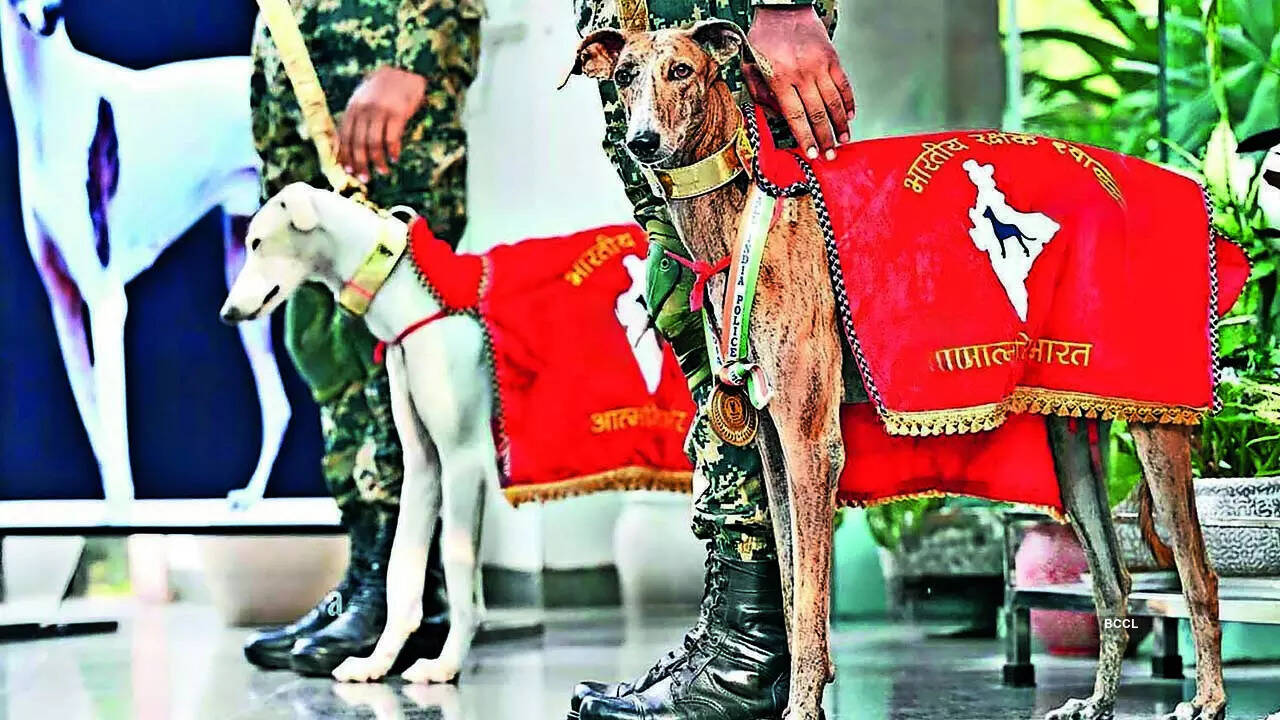
Lily the Rampur Hound, part of the canine force of the Border Security Force
How to recognise the Rampur Hounds? "Rampur Hound can run continuously for five to six kilometres at speeds of up to 60 kmph. The breed has a lean frame, a small skull, a long neck, and a broad chest, and is highly agile and tireless. While found in various colours, distinctive stripes on the body are a key identifying feature.’’ explains Irshad KhanBuilt for India: The genetic edge of native breedsAnurag Mishra, a dog enthusiast who has observed on-ground changes over the last several decades, believes the inclusion of indigenous dogs at a national event is overdue.
“Featuring indigenous dogs in events like the Republic Day parade brings much-needed awareness at a mass level. It helps people reconnect with breeds that are part of India’s living heritage. Visibility is often the first step towards responsible ownership and long-term conservation,” he says.Mishra points out that one of the most overlooked qualities of native breeds is their natural resistance to disease.“Indigenous breeds are inherently suited to Indian conditions and are largely trouble-free and disease-resistant.
In contrast, many foreign breeds have suffered due to unregulated and excessive breeding practices in the country. Over time, issues like hip dysplasia, digestion problems and skeletal disorders became common, making dog ownership expensive and difficult,” he explains.
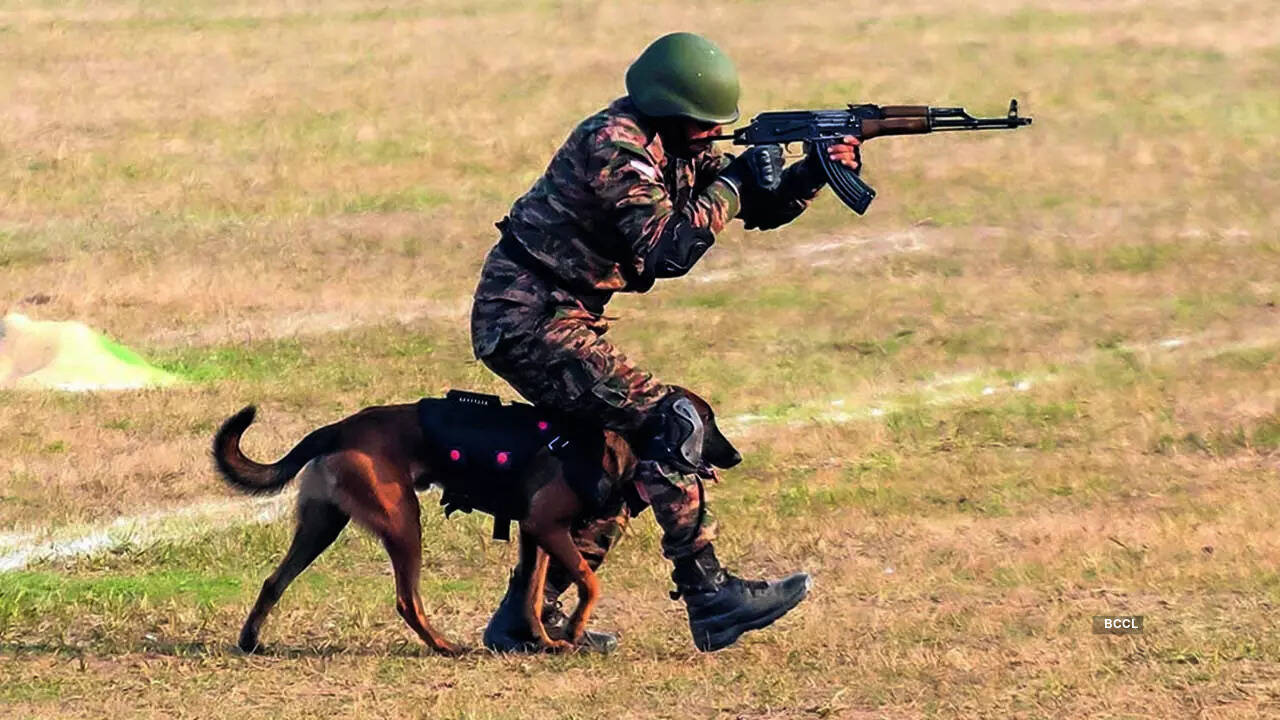
“Indigenous breeds were not formally inducted until trials with the Mudhol Hound began at RVC Meerut in 2016 which proved very successful,” shares Shantanu Pratap Singh.
“These dogs adapt to the conditions they are born into, just like humans. Indian breeds have evolved over generations to withstand extreme heat, cold and the varied Indian climate,'' adds Mishra.He also credits the Kennel Club of India (KCI) for preserving records of indigenous breeds.“For many native dogs, the Kennel Club became the only place where their existence was formally documented. That record-keeping protected bloodlines and quietly supported their revival at a time when these breeds were largely overlooked,” he says.
BCCL
Indigenous dog breeds in the Army’s animal contingent
- Mudhol Hound (Karnataka): Known for speed, agility and alertness
- Rampur Hound (Uttar Pradesh): Muscular, disciplined and bred for stamina
- Chippiparai (Tamil Nadu): Elegant sighthound, loyal and swift
- Kombai (Tamil Nadu): Fierce guard dog with strong territorial instincts
- Rajapalayam (Tamil Nadu): Tall and powerful, historically used for guarding
The Royal Origins of India's toughest dogsRampur-based researcher and author Aheed Khan traces the origins of the Rampur Hound to Nawab Ahmad Ali Khan Bahadur Rohilla of Rampur.“The
Nawab’s passion for hunting led to the development of a native Indian sighthound suited to Indian conditions. By crossing British Greyhounds with the Afghan Tazi hounds, he created a dog that combined agility with climate resistance, something foreign breeds lacked,” he says.What Mudhol is getting right - A Template for ConservationAmong India’s indigenous dog breeds, the Mudhol (Caravan) Hound is among the few to receive structured government support through a dedicated breeding and research centre in Karnataka.
Experts say the initiative has helped in documenting the breed, maintaining lineage and reducing the risk of dilution. “Mudhol is among the indigenous dogs to benefit from a government-backed breeding programme. Similar initiatives in other states could help address issues of misidentification and support the preservation of native breeds.
Structured breeding also helps in understanding the working abilities of indigenous dogs, some of which are currently being assessed for roles in defence and security services,” says Irshad Khan.Did you know? Why are Rampur Hounds valued as universal blood donors? "Among India’s indigenous dog breeds, Rampur Hounds are known for their strong stamina and efficient blood circulation, because of their high red blood cell count. This makes them valuable as canine blood donors, something which veterinarians are increasingly relying on to help save other dogs,’’ reveals Irshad Khan.- Amina Ashraf







 English (US) ·