

 4 days ago
11
4 days ago
11
ARTICLE AD BOX
Last Updated:March 30, 2026, 08:36 IST
Millions joined “No Kings” protests across the United States and worldwide, opposing Donald Trump’s policies on immigration and the war in Iran.
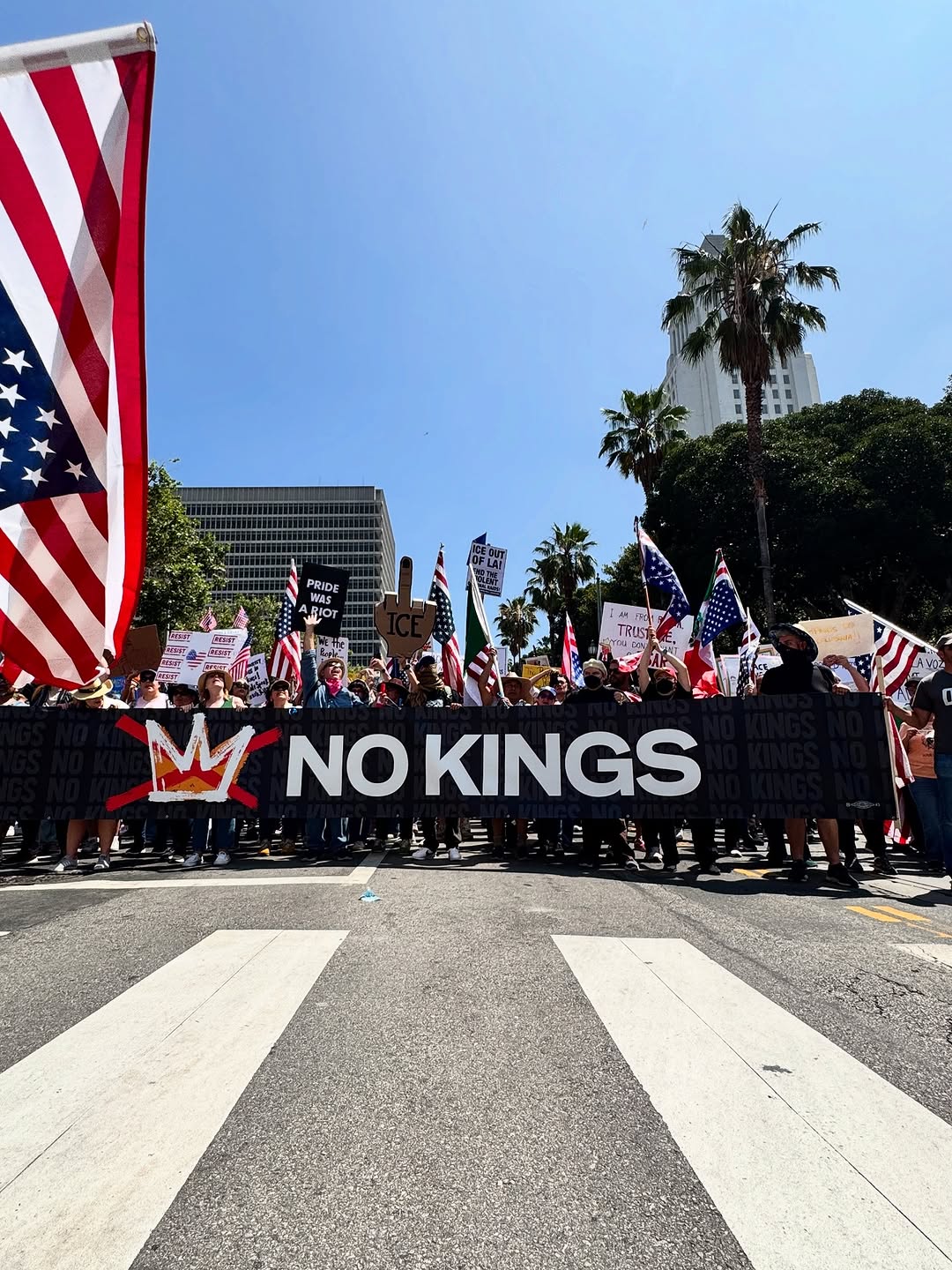
Massive crowds filled streets across the United States and beyond on Saturday in the latest wave of “No Kings” demonstrations, a movement opposing President Donald Trump’s policies on immigration enforcement and the ongoing war in Iran. Organizers reported rallies in all 50 states, with thousands of registered events spanning major cities and small towns alike.
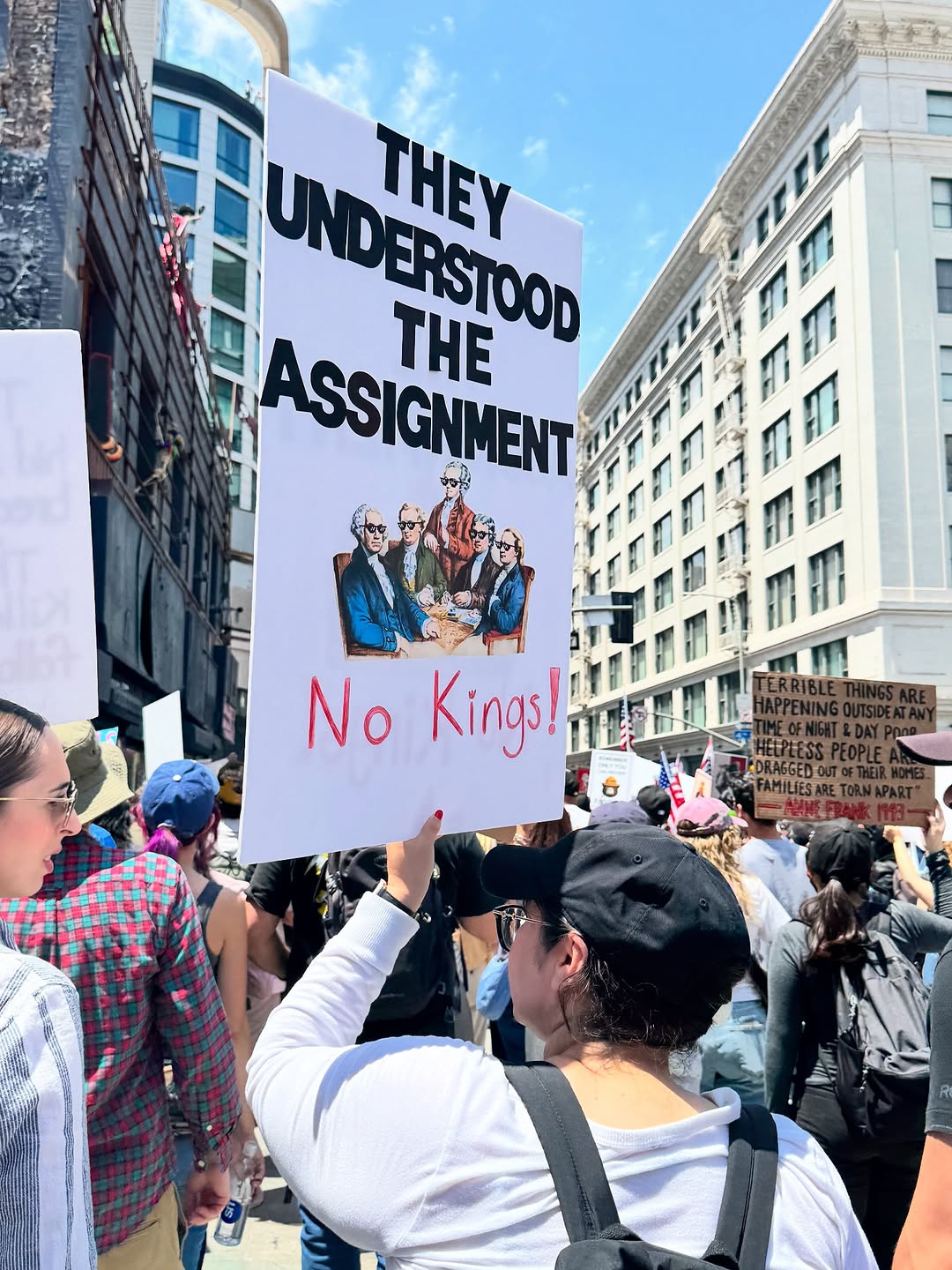
According to Reuters, more than 3,200 events were planned nationwide, with participation surging in suburban and rural communities, a sign that the movement’s reach is expanding beyond traditional urban protest hubs. The Associated Press highlighted gatherings from New York City to Driggs, Idaho, underscoring the geographic diversity of engagement.
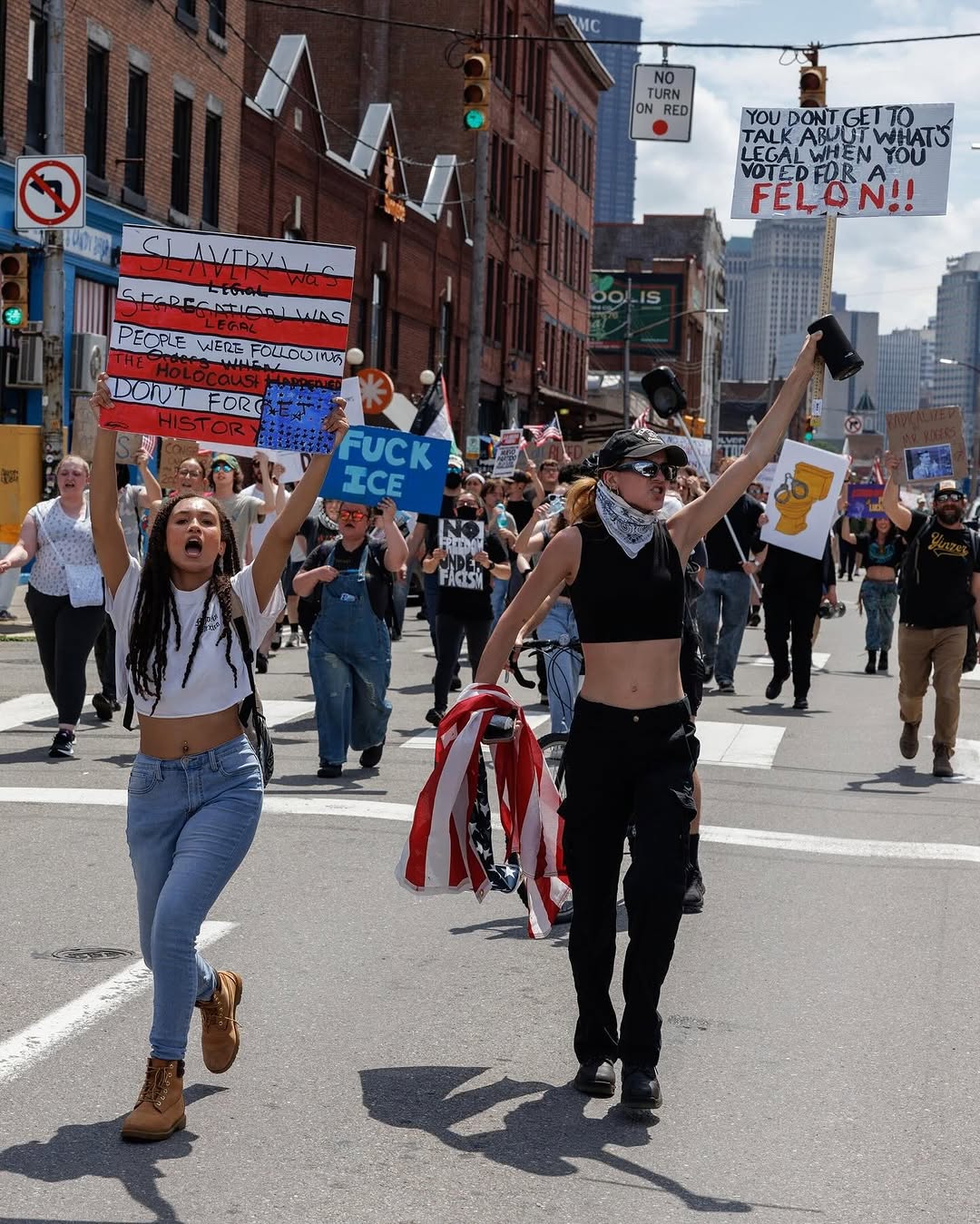
Major marches unfolded in Washington, Los Angeles, Dallas, Philadelphia, and New York, where tens of thousands carried pro‑democracy slogans and anti‑Trump placards. AFP estimated that millions joined nationwide, making this one of the most visible expressions of dissent since Trump’s second term began in January 2025.
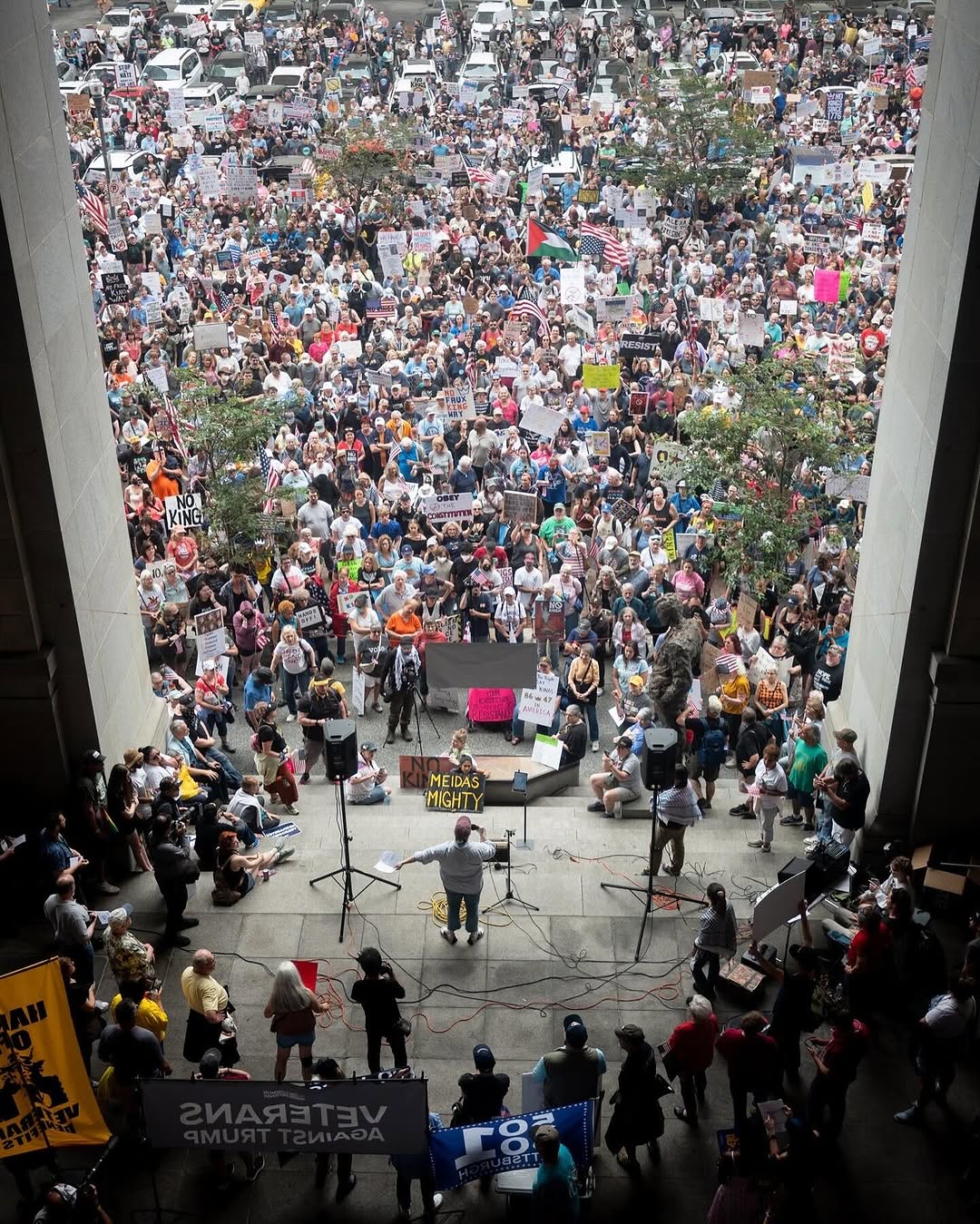
Minnesota emerged as a symbolic center of Saturday’s protests. At the state Capitol in St. Paul, musician Bruce Springsteen headlined the flagship rally, performing “Streets of Minneapolis”, a song inspired by the fatal shootings of Renee Good and Alex Pretti by federal immigration agents earlier this year. Demonstrators carried images of the two victims, whose deaths have become rallying points for critics of immigration enforcement.
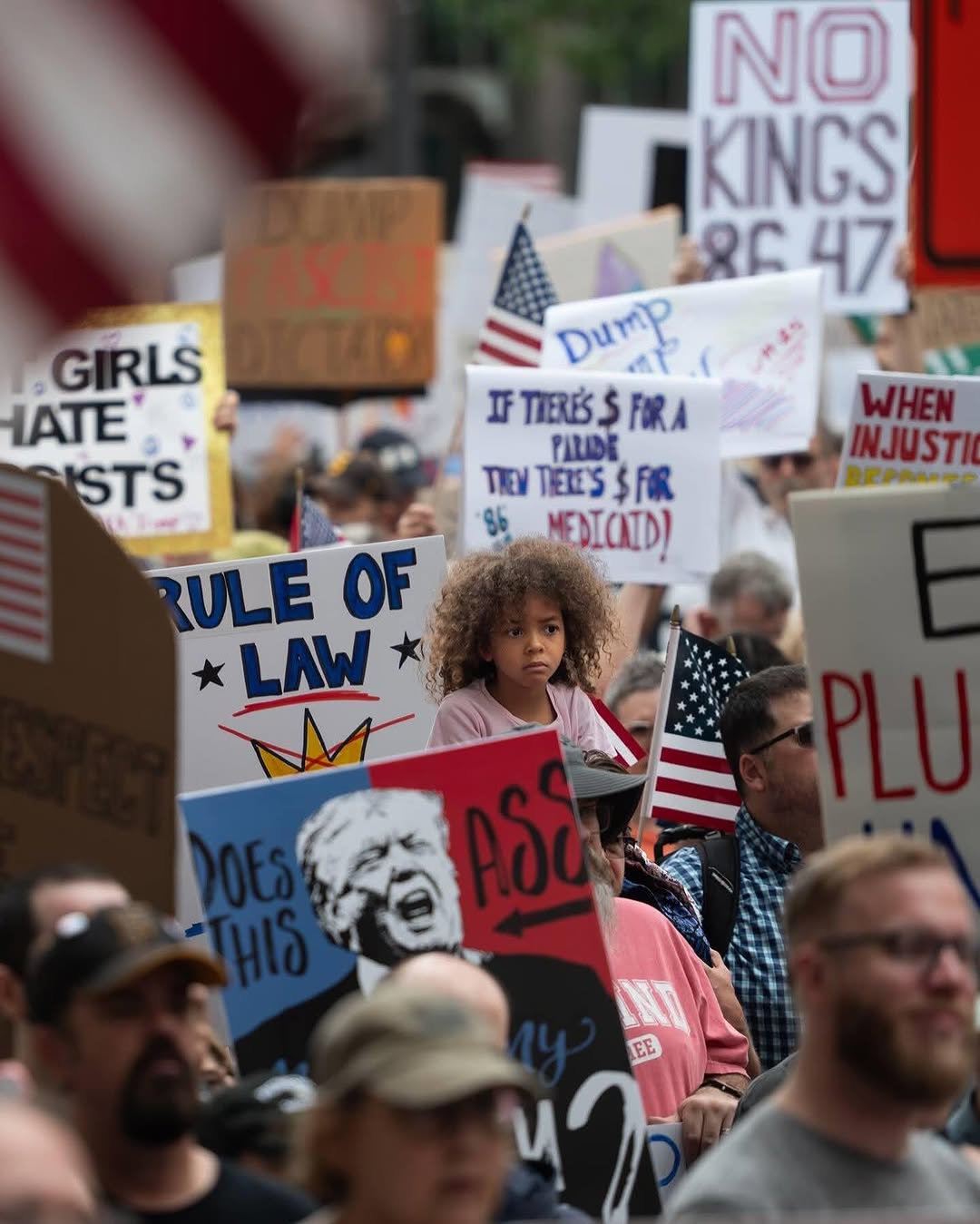
Governor Tim Walz praised the protests as an embodiment of democratic values, while Senator Bernie Sanders warned of threats to constitutional norms. Speakers framed Minnesota’s resistance as emblematic of broader national opposition.
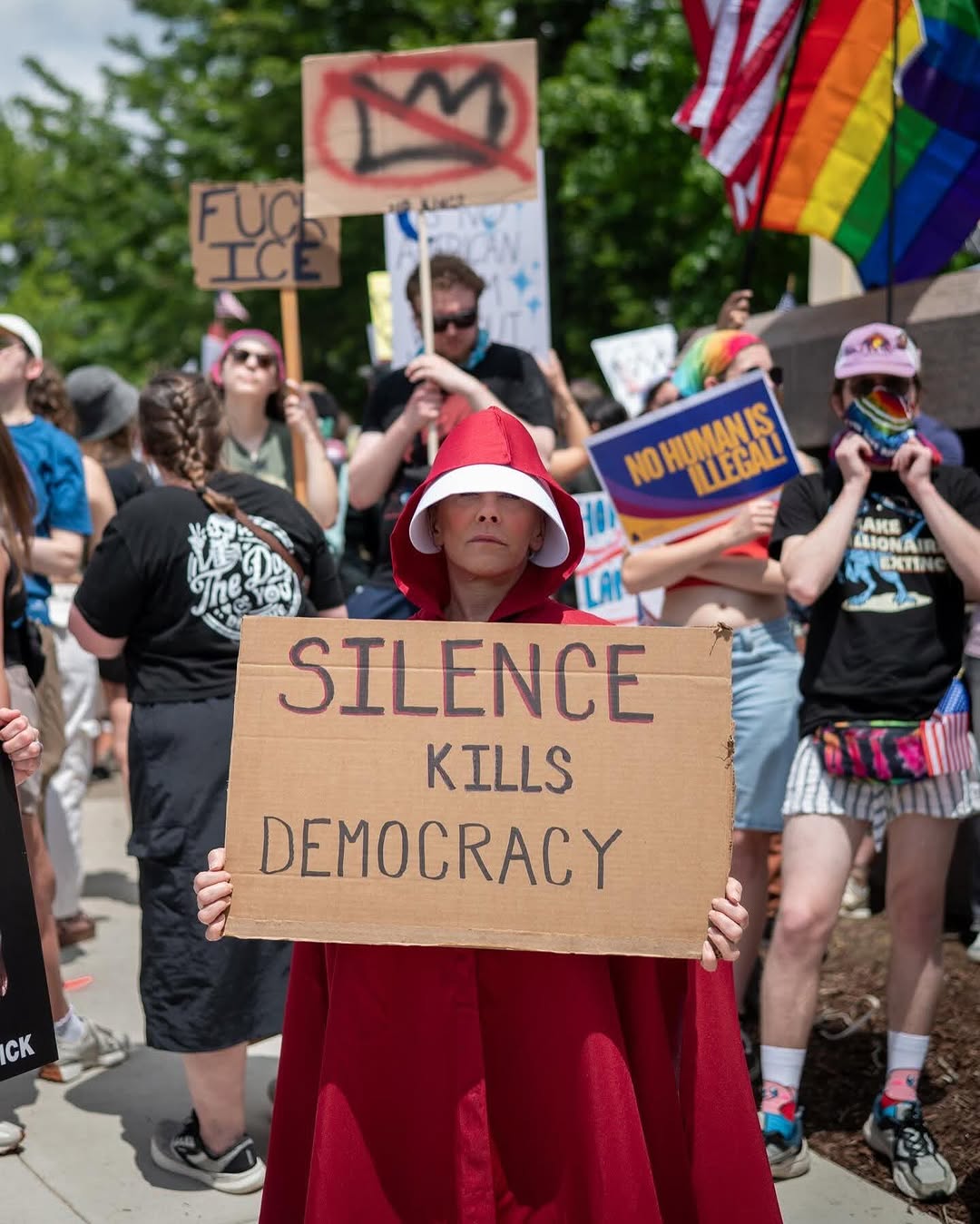
While immigration enforcement and the war in Iran were central themes, protesters also raised issues of economic inequality, civil liberties, and transgender rights. In Washington, marchers moved from the Lincoln Memorial to the National Mall, chanting slogans and invoking historical struggles for freedom. Many participants described their presence as part of a broader effort to defend democratic institutions.
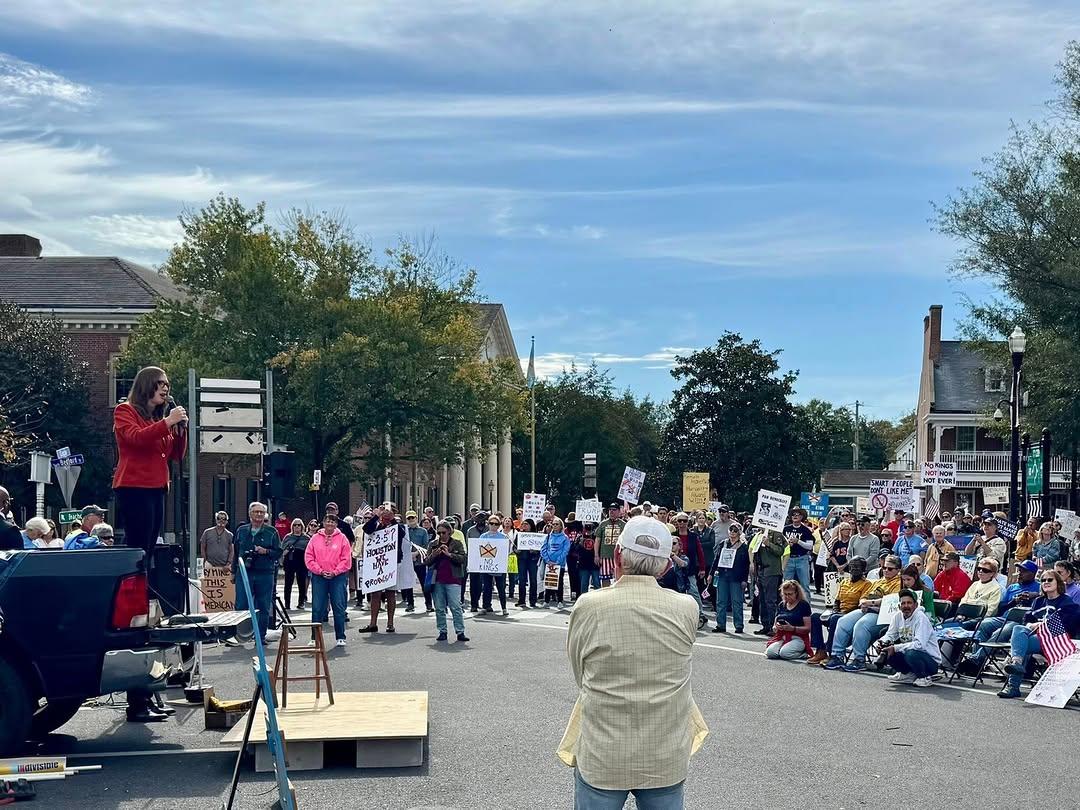
Most demonstrations remained peaceful, but tensions flared in Los Angeles, where authorities used tear gas near a federal detention center after objects were thrown at security personnel. In Dallas, police made arrests when counter‑protesters blocked streets. Republican officials criticized the mobilization. A White House spokesperson dismissed the protests as politically motivated, while the National Republican Congressional Committee issued statements targeting Democratic figures seen as supportive of the movement.
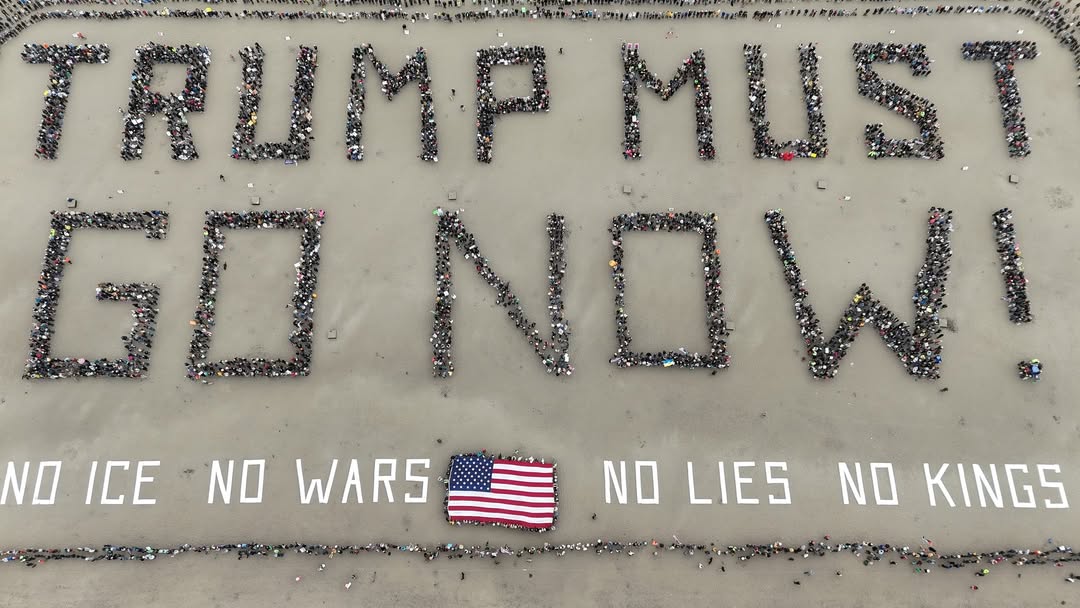
The protests extended far beyond U.S. borders, with rallies in London, Paris, and Rome. Demonstrators abroad denounced far‑right politics and military escalation tied to the Iran conflict. AFP reported that events in multiple global cities underscored the international resonance of the “No Kings” movement.
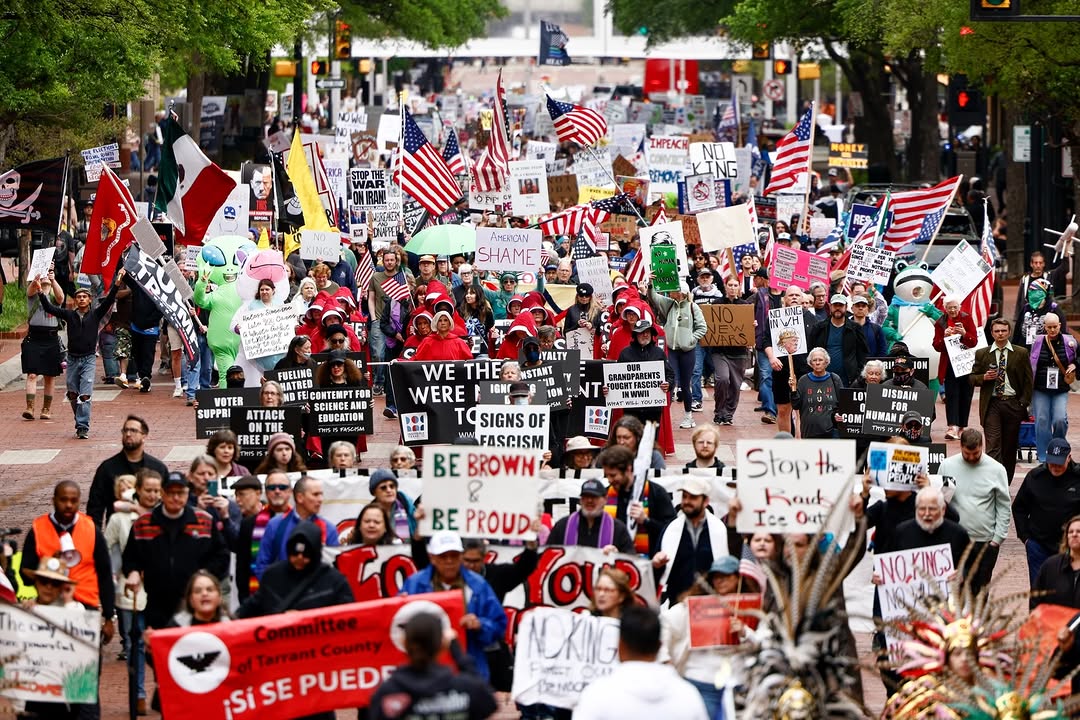
Organizers noted that participation has steadily grown since the first mobilization in June, with increasing engagement in suburban and rural areas ahead of the upcoming U.S. midterm elections. With millions now involved, the “No Kings” protests have become one of the most significant grassroots movements of Trump’s presidency, signaling both domestic and international concern over U.S. policy directions.






 English (US) ·