

 1 hour ago
7
1 hour ago
7
ARTICLE AD BOX
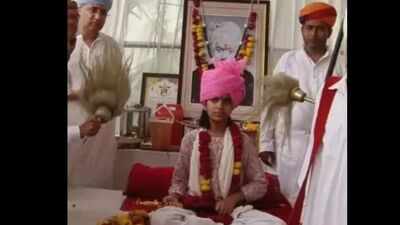
For generations, the traditional "Paag Ka Dastoor" ceremony in Rajasthan's Rajput families has symbolised the passing of responsibility and leadership from one generation to the next.
But there was one rule that rarely changed: the heir was always a son. That changed in Rajasthan's Pali district, where 13-year-old Tejaswi Kumari Jodha created history by becoming the first girl in the Kherwagarh royal lineage to be formally declared the family's heir. The ceremony was more than just a royal ritual. It was a powerful moment that showed how centuries-old traditions can evolve while keeping their cultural roots alive.
A royal tradition reimagined
6 May 2026 | 16:56
What are the three things that make you instantly happy?
The historic ceremony took place at the 17th-century Kherwa Fort in Kherwa village, where hundreds of villagers gathered to witness a moment that had never happened before. Following the death of her father, Harish Chandra Jodha, Tejaswi was chosen as the successor under the traditional "Paag Ka Dastoor", a Rajput custom that marks the transfer of leadership and family responsibilities after the passing of the head of the family.
For decades, this honour had been reserved only for male heirs. In fact, the family had not performed the ceremony for nearly 65 years because there was no son to inherit the responsibility. This time, however, the community chose to honour capability over convention.
A pink turban that symbolised more than tradition
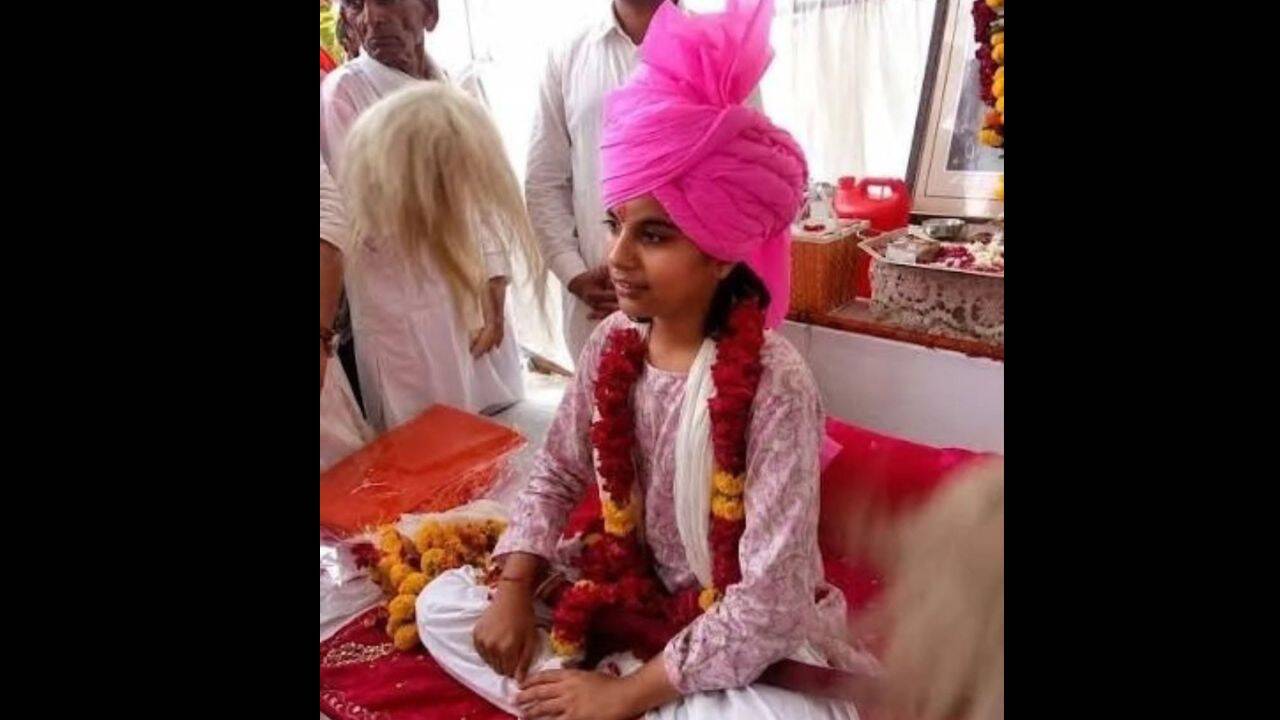
The ceremony followed age-old Rajput customs. As Vedic chants echoed through the fort, Tejaswi sat through the rituals with calm confidence. A ceremonial pink turban, traditionally worn by the successor, was tied around her head.
The turban, sent by the former royal family of Jodhpur-Marwar, symbolised both the end of the mourning period and the beginning of a new chapter of responsibility. A blood tilak was also applied, following traditional customs that represent courage, duty, and commitment.
Every ritual reflected centuries of history, but for the first time, they were performed for a daughter instead of a son.
Breaking barriers without breaking tradition
What makes Tejaswi's story remarkable is that it is not about rejecting tradition; it is about reshaping it.
Community elders explained that the decision was taken collectively because Harish Chandra Jodha had no son. Rather than allowing the tradition to end, they chose to pass the responsibility to his daughter. Residents described the decision as a positive step that respects cultural heritage while recognising that leadership is not defined by gender.
It is a reminder that traditions can continue to evolve with changing times without losing their identity.
A student today, A leader for tomorrow
Despite becoming the heir to the Kherwagarh royal lineage, Tejaswi remains a regular Class 7 student with dreams of continuing her education. Speaking after the ceremony, she said she would focus on her studies while also accepting the responsibilities entrusted to her. She also expressed her desire to fulfill her late father's vision for the development of Kherwa village. At just 13, she carries not only the legacy of her family but also the hopes of a community that chose progress over prejudice.
More than a Royal ceremony
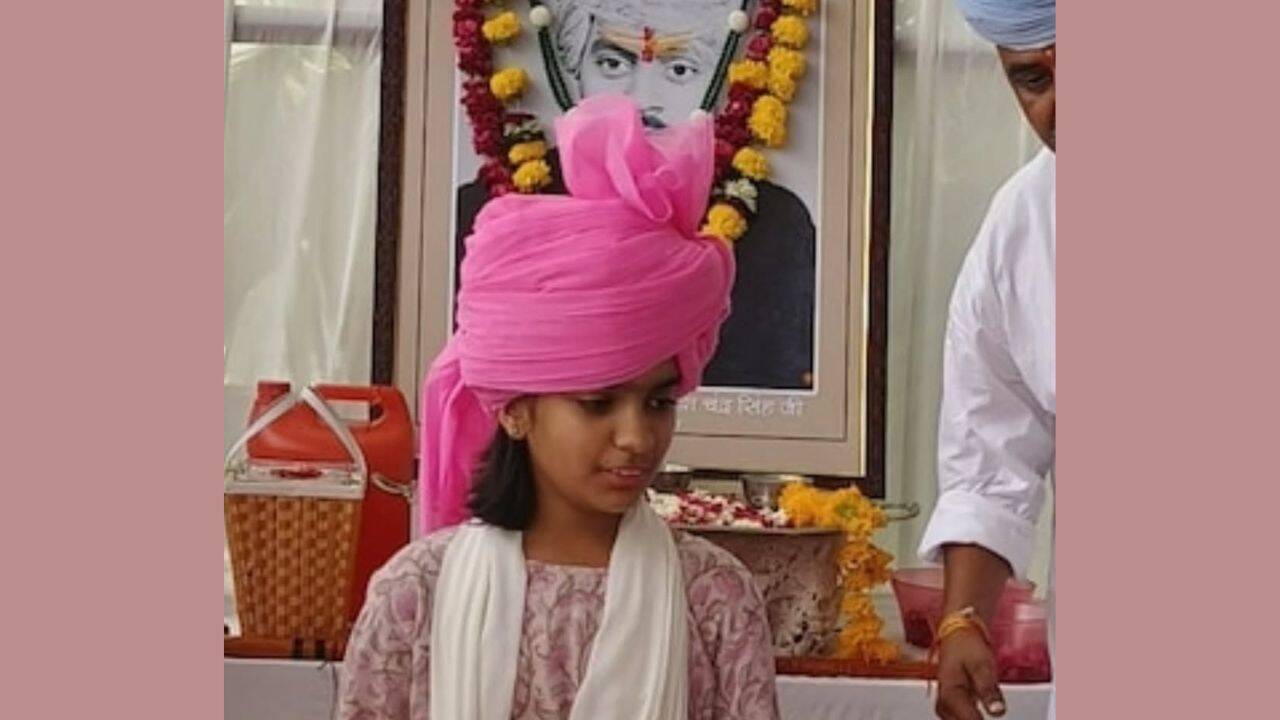
Tejaswi Kumari Jodha's story is about much more than royalty. It is about a young girl who became a symbol of changing mindsets. For years, inheritance ceremonies like the "Paag Ka Dastoor" were seen as the exclusive right of sons. By placing the ceremonial turban on Tejaswi's head, her community sent a powerful message that responsibility, leadership, and legacy are not determined by gender.Across India, conversations around daughters' rights, equal opportunities, and women's leadership continue to grow stronger. Tejaswi's story adds another meaningful chapter to that journey. As she balances schoolbooks with family responsibilities, she represents a new generation of girls proving that they are just as capable of carrying forward traditions as they are of creating new ones. Sometimes, history isn't rewritten through grand speeches or dramatic revolutions.
Sometimes, it begins with a pink turban placed on the head of a 13-year-old girl who dared to become the first.






 English (US) ·