

 2 days ago
4
2 days ago
4
ARTICLE AD BOX
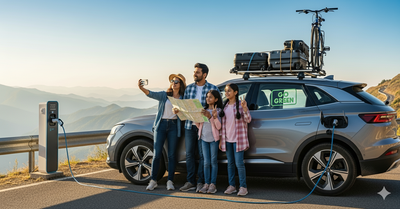
Planning an electric vehicle road trip? Ensure your adventure is successful with thoughtful preparations. Maximize your range by adjusting your driving habits and utilizing regenerative braking effectively. Plot your route keeping charging stations in mind, using travel apps to pinpoint locations.
Taking your electric vehicle (EV) beyond city limits is no longer unusual. With longer-range models, intercity drives are becoming more common but unlike a trip in an ICE car, an EV road journey requires some extra planning.
Here are five essentials to remember before you hit the road.Increase your range smartlyDriving style makes a big difference to how far your EV will go. Keeping a steady pace on highways, limiting sudden acceleration, and using regenerative braking wherever possible can help. Some newer EV variants even come with one-pedal driving, where the vehicle slows down automatically as soon as you lift your foot from the accelerator.
Vastu consultant Nirmal Shah, who owns an EV, shares, "One-pedal drive recaptures energy, helps you conserve range and gives you a more convenient driving experience.
”Plan your route around charging stopsUnlike fuel stations, charging points aren’t available every few kilometres. It helps to choose stops where the wait can be productive - at cafés, malls, or tourist spots - and to keep a buffer of 30-40 km. Check apps that show the nearest charging stations, making it easier to map your travel routes.
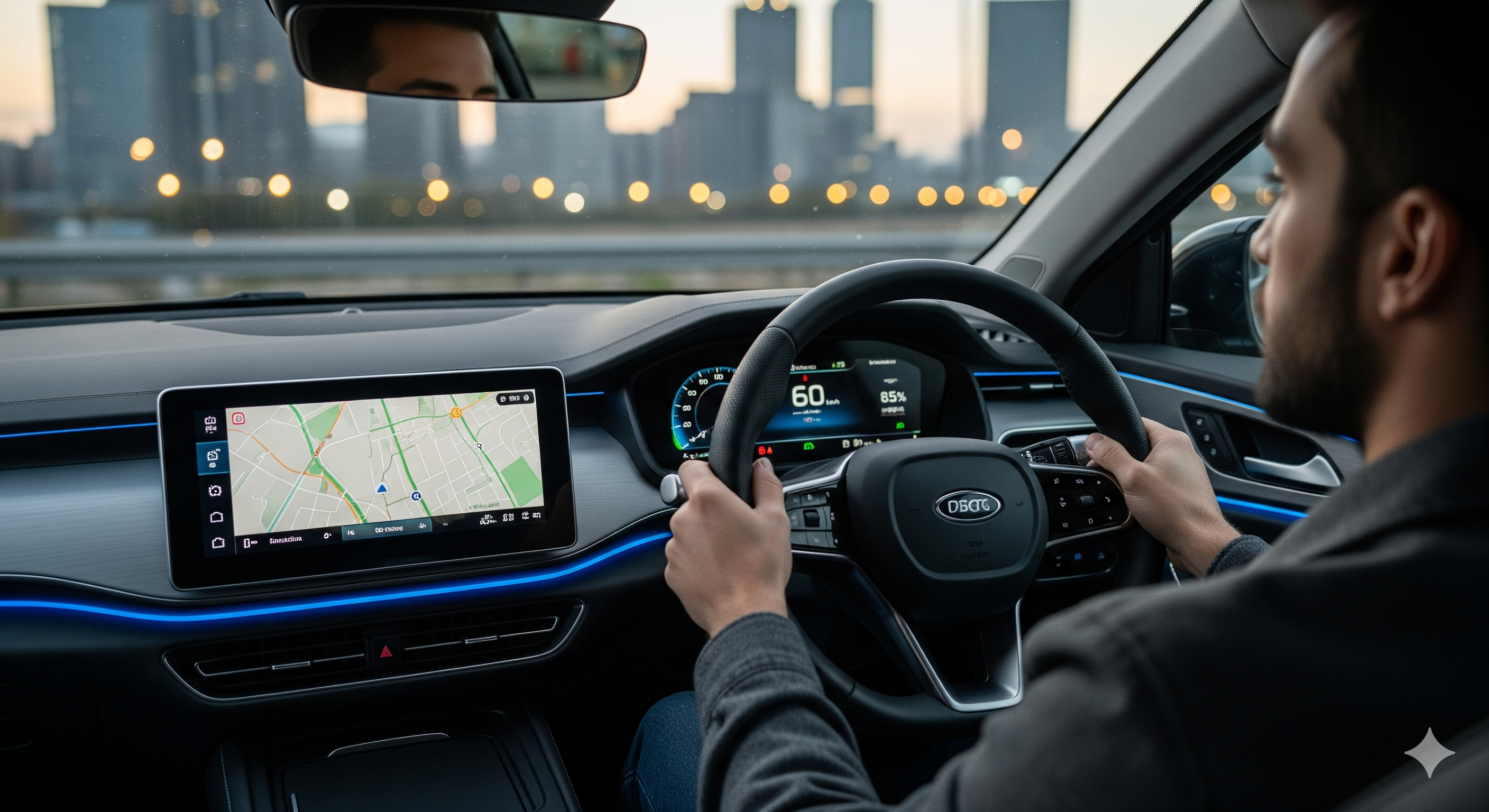
Going on a roadtrip in an EV(AI generated image meant for representation purposes only)
Always have a backupEven with better coverage, charging infrastructure can be patchy. Public chargers can deliver speeds of up to 72 kW, taking about 20 minutes to reach 80%, but options may be limited in smaller towns. Working professional and EV owner Vijay Patil adds that understanding your car’s charging time is crucial. “Carry two types of chargers, a normal one that you can plug in anywhere, and a fast-charger for quicker charging,” he says.Factor in terrain and weatherSteep ghats and hilly terrain can drain batteries quickly. So, you’ll need to factor in extra stops. Dr Javeid Khan, an automobile expert, recommends keeping tyre pressure right, topping up washer fluid, and carrying a portable air filler. Extreme weather is another factor. Intense heat and cold can affect how efficiently batteries perform. Pack your essentialsLike any road trip, preparation is key.
Along with the usual toolkit and first-aid supplies, EVs require a few extra items: a tyre inflator, jump starter, flashlight, and basic tools.
Always keep the roadside assistance number handy to avoid unnecessary stress.How hybrids handle road tripsWhile full EVs need careful route planning, hybrids give drivers a little more flexibility. As architect Adish Kulkarni, who owns a hybrid, explains, “In a self-regeneration model, the power that the motor burns is used to charge the battery.
Even if your petrol runs out, the regenerated power can keep the car going for another 60-80 km.” That built-in backup makes hybrids especially handy in regions where charging infrastructure is still developing, though EVs remain the greener, lower-maintenance option in the long run.“Factor in the possibility of charging stations along your route malfunctioning or having long queues. Charge your EV from home and give it about 12-13 hours to charge completely. It helps avoid anxiety later"-Adil Jal Darukhanawala, automotive expert and historian









 English (US) ·