

 32 minutes ago
1
32 minutes ago
1
ARTICLE AD BOX
Last Updated:May 12, 2026, 15:15 IST
2026 oil crisis: Many nations have gone beyond appeals and have mandates such as fuel rationing, compulsory work-from-home, fuel caps, lower speed limits, and travel curbs


Prime Minister Narendra Modi.
During this global crises, governments are routinely urging citizens to cut consumption, reduce travel, and conserve energy. PM Modi’s appeal for restraint is part of this worldwide pattern.
Many nations have gone beyond appeals and have mandates like fuel rationing, compulsory work-from-home, fuel caps, lower speed limits, and travel curbs to tackle the 2026 oil crisis.
What is being done globally
In response to global energy crises, the IEA Tracker documents emergency energy conservation measures taken by approximately 40 countries (plus the European Commission). Over 40 countries have taken action on fuel and mobility. Advanced economies introduced excise duty cuts, state aid frameworks, warnings against gouging, and sector-specific relief for transport, farming, and high-mileage users. 3 countries implemented direct measures to reduce cooking oil/LPG consumption (rationing, half-filling cylinders, or shifting to electric/PNG alternatives). Eighteen countries have adopted mobility reduction strategies (fuel rationing/caps, alternate driving days, promotion of public transport/carpooling, limits on private/government vehicles, and EV incentives).
Thirteen countries have promoted Work-From-Home (WFH) and remote-work arrangements, especially in the public sector. Nearly all countries (over 35) have launched broad fuel consumption reduction initiatives through public campaigns, cooling/lighting limits, government travel curbs, and general efficiency drives.
The Emergency Energy Conservation Measures
1. Work from Home / Flexible Arrangements: Many countries encourage or mandate remote work for civil servants and promote it in the private sector to cut commuting.
Examples: Pakistan (4-day work week + 50% remote), Indonesia (WFM Fridays), Sri Lanka (close offices Wednesdays), Korea (flexible arrangements), Cambodia, Lao PDR, Malaysia, Philippines, Thailand, Viet Nam, Peru, Egypt.
2. Cooling / AC Limits: Temperature setpoints in offices and public buildings to save electricity.
Examples: Bangladesh (25°C), Singapore (25°C, prioritize fans), Cambodia (24–25°C), Malaysia (24°C), Sri Lanka (26°C), Thailand (26°C), Jordan (ban AC in public offices).
3. Government Travel Restrictions: Limits on official air/road travel and international trips.
Examples: Jordan (temporary ban), Pakistan (ban on foreign travel), Egypt, Indonesia, Malaysia, Korea (odd-even for public sector), Panama, Tanzania (collective bus travel).
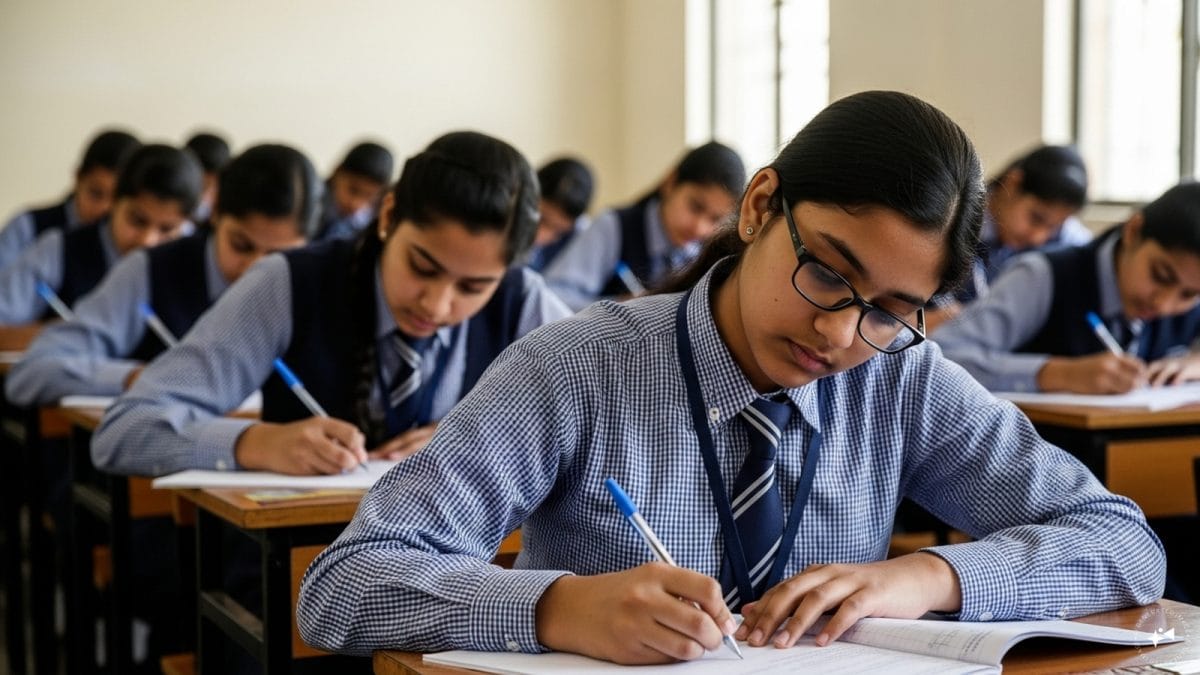
4. Schools and Universities: Closures, shortened weeks, or online shifts.
Examples: Bangladesh (close universities), Sri Lanka (Wednesdays off), Lao PDR (shorten to 3 days), Pakistan (100% online), Peru.
5. Public Campaigns & Mandates: Urging consumers, businesses, and offices to save energy (lighting, devices, etc.) is widespread across nearly all listed countries.
Examples: Australia (“Every Little Bit Helps"); Cambodia- State owned electricity company urging the public to reduce electricity use; Korea- Run public campaign on practical saving actions.
Singapore has urged public to conserve energy and use efficient appliances. It has expanded business efficiency grant to all sectors. It has launched the “Let’s Save Energy Together" campaign and encouraged uptake of climate voucher scheme.
Netherland has started phase 1 of the national oil crisis plan. It has introduced targeted efficiency package for households and businesses, including solar PV, the replacement of gas boilers with heat pumps and home retrofits.
Pakistan has asked local governments to save energy. No official dinners, no physical meetings. Close markets and commercial centres from 8pm, and food and events establishments from 10pm.
Madagascar has declared nationwide state of energy emergency for 15 days
Spain has reduced personal income tax for renovations, solar energy installation and electrification measures.
Thailand has asked office workers to limit demand (incl. taking stairs, turning off devices). Reduce rural street lighting.
United Kingdom has increased the grant for households to switch from LPG- or oil-based heating to heat pumps and other home retrofit measures.
Vietnam has asked local government to help save energy.
6. Transport & Fuel Measures: Rationing, odd-even rules, speed limits, promoting public transport/EVs, biofuel blends.
Examples: Korea (odd-even no-driving days); Sri Lanka (QR code rationing); Myanmar (alternate days + EV trade-in); Bangladesh (fuel limits); Pakistan (free public transport, speed limits); Indonesia (biodiesel + EV push)
7. Broader Actions
Efficiency & Electrification Push: Solar installations, LED retrofits, heat pump grants (e.g., UK, Netherlands, Spain), EV adoption (France, UK, Chile, Cambodia, Lao PDR, Myanmar, Thailand).
8.Emergency Declarations: Madagascar (15 days), Marshall Islands (90 days), Tuvalu (2 weeks on one island), Philippines/Sri Lanka national energy emergencies.
9. Targeted Restrictions: LPG cylinder half-filling (Maldives, Nepal), market closures (Pakistan), billboard lighting off (Egypt, Sri Lanka).
Handpicked stories, in your inbox
A newsletter with the best of our journalism
News india PM Modi’s Appeal For Energy Restraint Is Not Excessive: A Look At What Is Being Done Globally
Disclaimer: Comments reflect users’ views, not News18’s. Please keep discussions respectful and constructive. Abusive, defamatory, or illegal comments will be removed. News18 may disable any comment at its discretion. By posting, you agree to our Terms of Use and Privacy Policy.
Read More


 English (US) ·