

 1 week ago
5
1 week ago
5
ARTICLE AD BOX
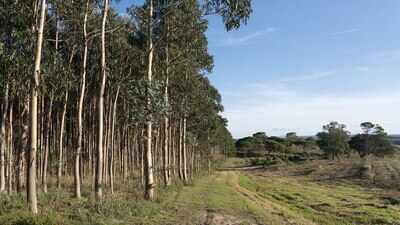
Once seen as a symbol of Mediterranean prosperity, southern Europe's forests are now facing ecological strain. Large-scale planting of fast-growing eucalyptus trees, intended for industry, has replaced native species. Images Credit: Wikimedia Commons
As we survey the golden-hued slopes of southern Europe, our imagination wanders towards a very particular vision of a typically Mediterranean setting. We imagine old cork oaks offering their shade on an idle afternoon, sprawling forests of ancient olive trees, and an idyllic setting with birdsong and wildlife filling the air.
The traditions of Mediterranean forestry culture led us to perceive these forests as eternal and tranquil areas where economic interests naturally coincide with conservation of nature. It was widely assumed that planting additional fast-growing types of trees would simply enhance the productivity of these lands, allowing local communities to thrive without disrupting the natural equilibrium of the ecosystem.But a closer look at the changing rural landscape shows environmental strain, altered landscapes, and higher fire risk. During the middle and late decades of the twentieth century, massive commercial forestry projects dramatically shifted the composition of the regional countryside, replacing slow-growing native trees with highly productive timber crops imported from the other side of the world. While this agricultural push brought short-term industrial gains, the long-term biological consequences have transformed wide regions into highly vulnerable ecological zones.
What appears from a distance to be a lush, green landscape can, in some cases, be a highly flammable monoculture that may displace local wildlife and create dangerous conditions during the dry summer months.This shifting ecological dynamic was recently illuminated in a study published in the journal Forest Ecology and Management. Led by Ana Aguas and colleagues, the research paper examined how these trees behave after fire.
By analysing seed reproduction and survival patterns across 284 field sites, the authors found that these trees can regenerate after fire and spread beyond plantations.This paper revealed that naturally occurring E. globulus occurred in 93.1% of pure eucalyptus stands and 98.6% of mixed stands but in only 19.0% of pure pine stands, with a median density of 0.20 plants m−2 and a maximum of 4.55 plants m−2. The vast majority of the recruits were already taller than 1.30 m, and the authors noted that salvage logging resulted in greater density, whereas tillage decreased density and median height.Eucalyptus tree spread: Tracking the rapid spread of treesIn order to appreciate why this biological invasion has caused such a lot of concern for the land management sector, one should investigate further into how the trees of this species from Australia coexist with the natural factors of the new environment. Eucalyptus trees have developed a fire adaptation that facilitates regrowth after disturbance. In a wildfire, heat can trigger seed release from capsules in the canopy, allowing seeds to fall onto ash-rich ground where they can germinate with little competition.The detailed scientific analysis shared in the paper revealed that this natural replacement process is happening at an incredibly widespread scale across both central and northern regions. The data further demonstrate that standard forestry practices can accidentally influence how densely these wild populations establish themselves on the ground. In areas where commercial logging operations took place after a fire, the disruption to the soil surface actually correlated with a higher density of wild saplings, while intensive soil tillage was one of the few management strategies that succeeded in reducing their numbers and limiting their overall physical height.
Without such interventions, new trees can form dense thickets that reduce native ground flora.
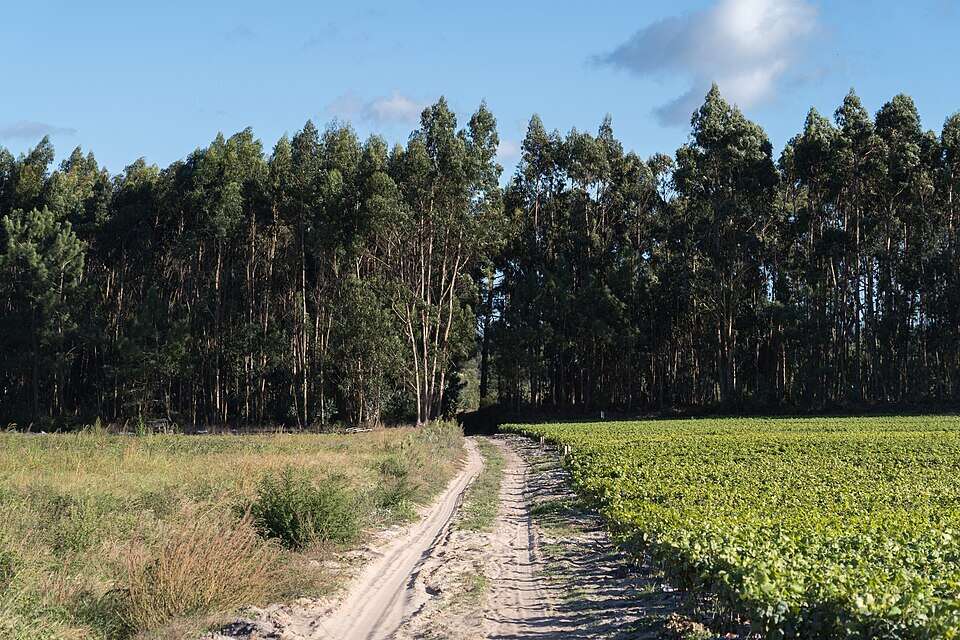
These imported trees, adapted to fire, are now spreading aggressively, increasing fire risk and threatening local biodiversity. A recent study highlights how these invasive species are transforming landscapes, demanding a re-evaluation of land management practices. Images Credit: Wikimedia Commons
The heavy toll on biological diversity and regional safetyThe practical insights gained from charting this nationwide inventory highlight a stark reality about the long-term trade-offs of historical industrial planning. While the massive wave of twentieth-century tree planting helped fuel a domestic paper and pulp industry, it also reduced habitat diversity in some areas.
Because eucalyptus leaves and bark contain oils and other compounds, they may offer less food or shelter for some local species.
As these imported trees spread, some native forests are replaced, which can reduce habitat for native wildlife.According to the study’s findings, this transition may pose a challenge to regional fire safety and community protection. The physical characteristics of eucalyptus trees, including peeling bark and oil-rich leaves, can make them prone to spotting, where burning debris ignites new fires ahead of the main front.
As wild seedlings spread into unmanaged lands and abandoned agricultural fields, they can add to a continuous fuel load that may make fires harder to control.This research points to the need for a more balanced approach to land management and biosecurity. By suggesting that these trees naturalise after wildfires, the research indicates that reactive strategies may not be enough to protect local biodiversity. Recognising the ecological legacy of past planting programmes may inform restoration efforts, boundary management and native replanting.









 English (US) ·