

 5 days ago
9
5 days ago
9
ARTICLE AD BOX
Last Updated:February 01, 2026, 09:32 IST
In the early years of independent India, budget coverage depended entirely on print.
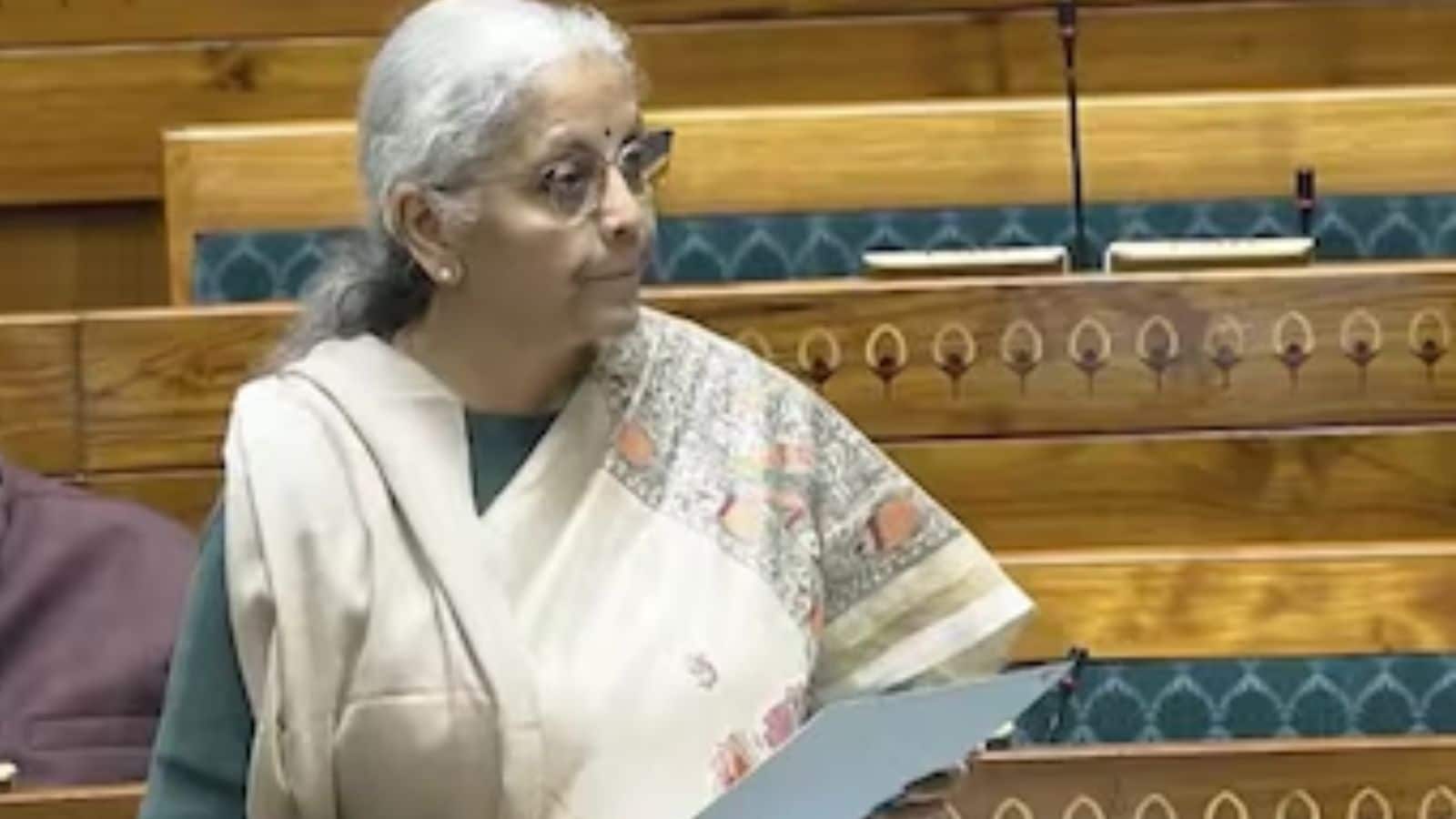
The Union Budget has long been one of the most watched events in the country. Today, budgets are tracked live on TV screens, mobile phones and social media. Every announcement is flashed in seconds and discussed instantly. This ease did not exist for decades after Independence. For a long time, newspapers were the main window through which Indians understood the budget. The next morning’s front page decided how the budget would be remembered.
In the early years of independent India, budget coverage depended entirely on print. Readers waited patiently for newspapers to arrive to know what taxes changed or where money was going. Headlines were often straightforward and mostly revolved around numbers that mattered. Big fonts made the key points clear. Newspapers became the bridge between Parliament and the public.
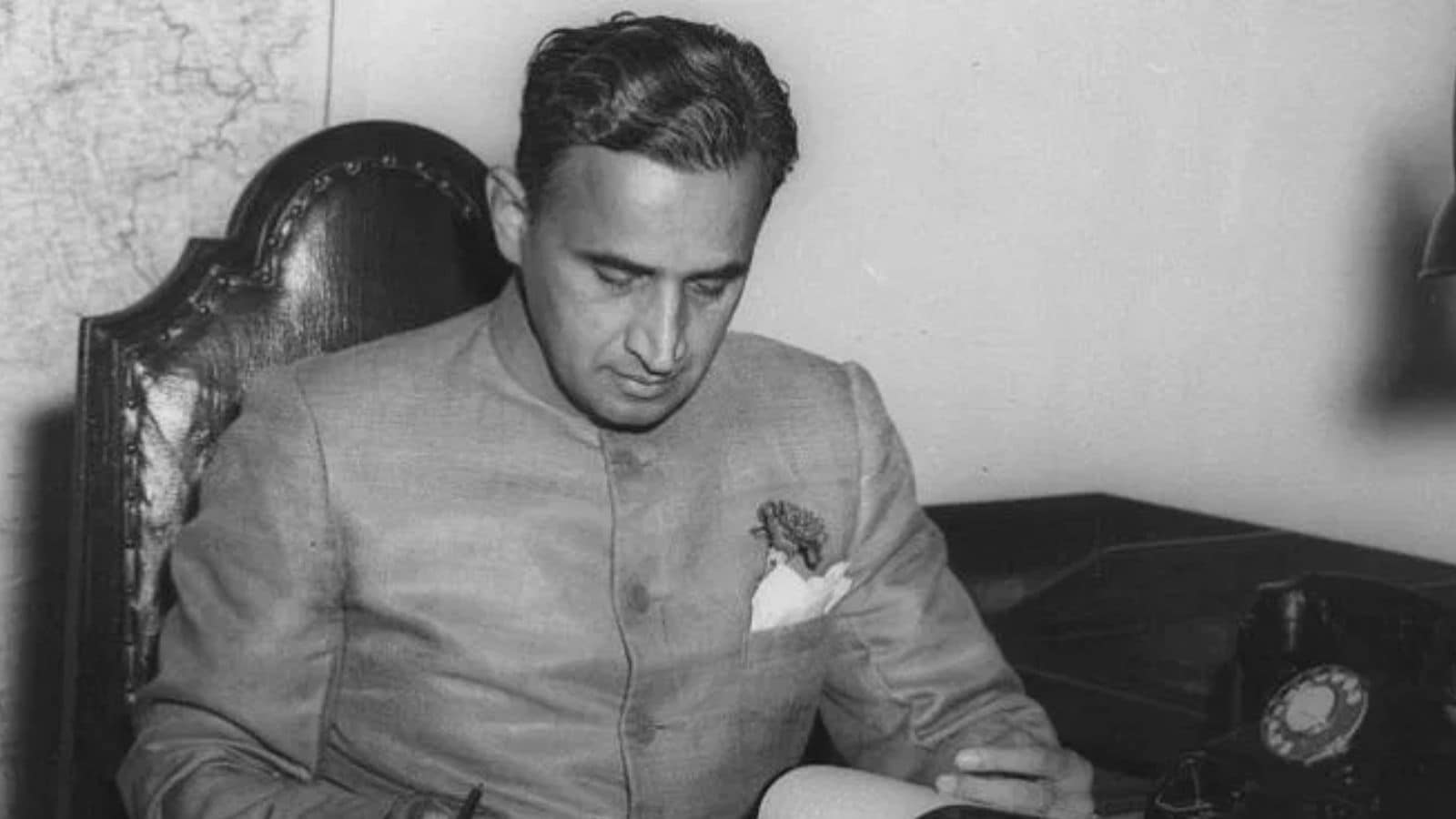
C.D. Deshmukh, India’s fourth Finance Minister, presented several budgets between 1950 and 1956. His tenure came at a time when the country was still building its economic base. One rare image from that period recently surfaced online that showed Deshmukh reading budget papers before presenting them in Parliament. The 1953–54 budget estimated revenue at Rs 437.76 crore, a figure that newspapers prominently carried. Reports focused on how the first elected Lok Sabha received the budget.
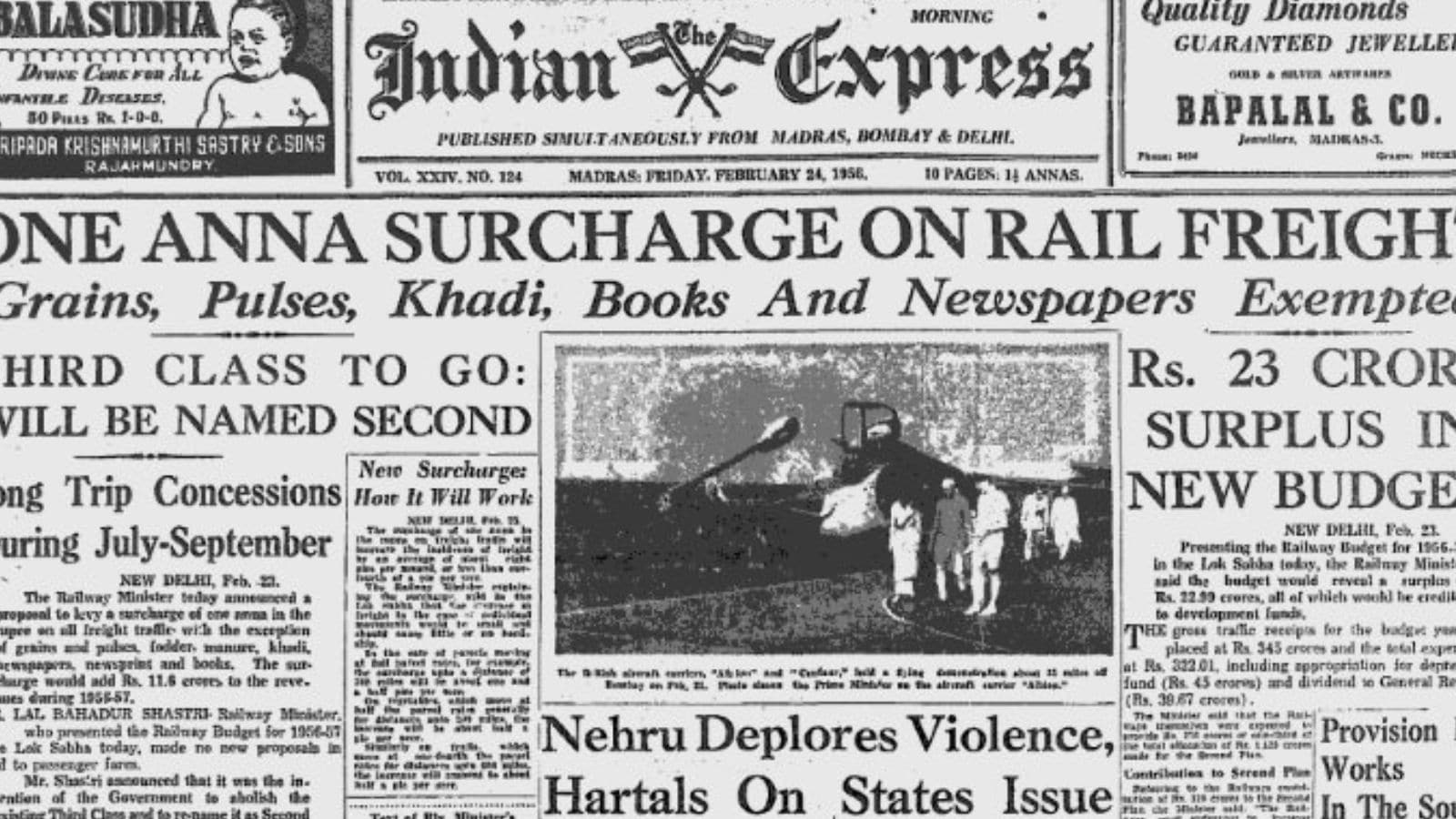
Budget reporting also extended to the Rail Budget which was once a separate annual exercise. In 1952, Lal Bahadur Shastri presented his first Rail Budget soon after taking charge as Railway Minister. When he proposed a surcharge on freight in 1956, newspapers highlighted the impact clearly. Indian Express ran the front-page headline: “One Anna Surcharge On Rail Frieght.” The sub-headline stated, “Grains, Pulses, Khadi And Newspapers Exempted.” Readers also learned that the railways had a surplus of Rs 20 crore.
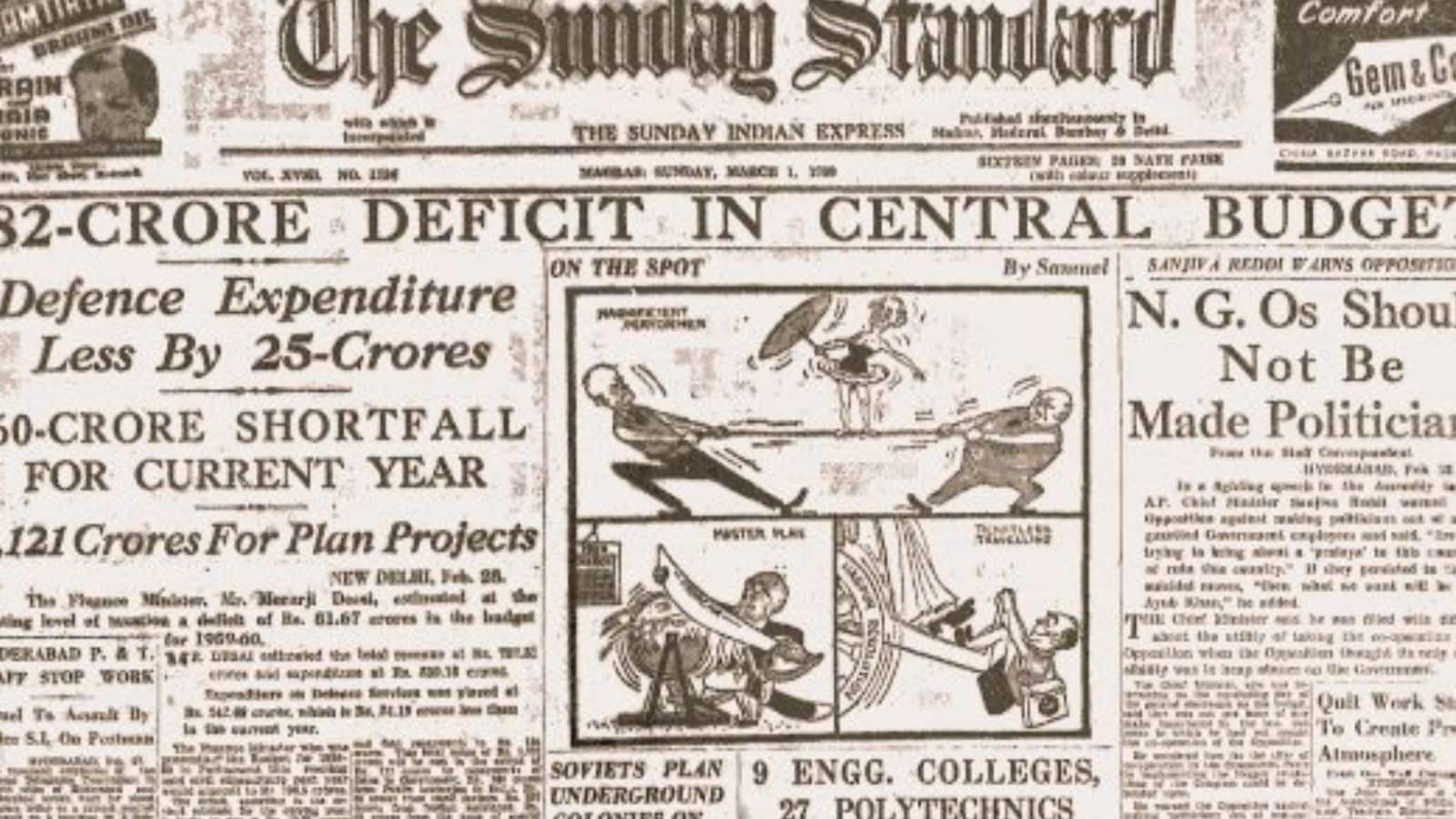
By the late 1950s, deficit figures began dominating headlines. Morarji Desai’s 1959–60 budget projected a deficit of Rs 81.67 crore. Revenue and expenditure numbers were laid out clearly for readers to understand the gap. The Sunday Standard captured the moment with the headline: “Rs 82 Crore Deficit In Central Budget.” Another story on the same page warned readers, “Cigarettes, Car Tyres To Cost More; New Taxes.”
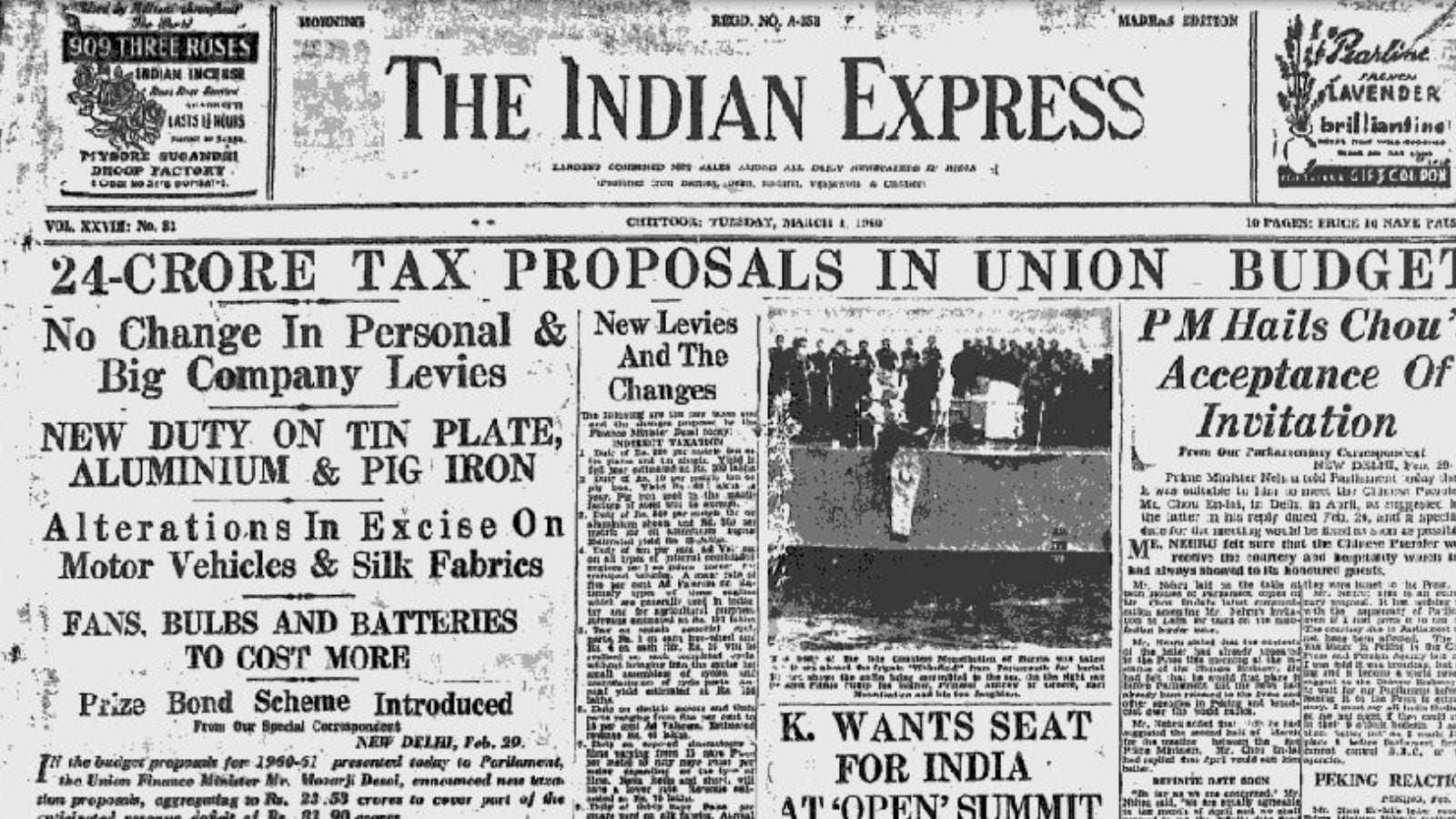
In 1960, budget reporting became more structured and reader-friendly. Indian Express used one main headline with multiple sub-headlines to break down announcements. The main headline read: “24 Crore Tax Proposals In Union Budget.” Sub-headlines covered everything from duties on metals to changes in excise on vehicles and fabrics. Items like fans, bulbs and batteries were specifically mentioned. This format helped readers scan the paper and understand what would get expensive.
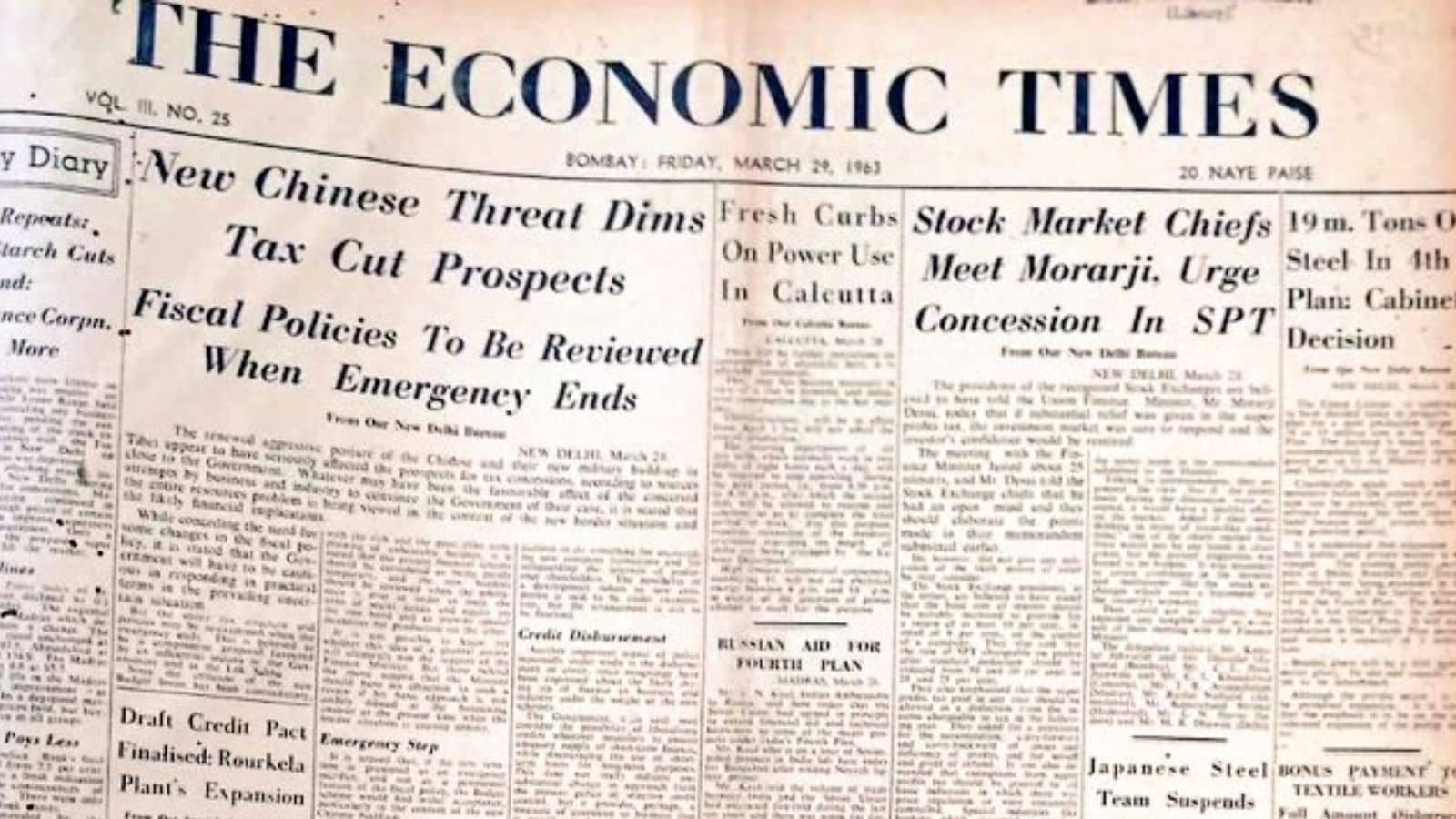
Defence spending began shaping budget coverage in the early 1960s. After the 1962 war with China, economic expectations shifted sharply. In 1963, The Economic Times focused on this concern with the headline: “New Chinese Threat Dims Tax Cut Prospects.” Reports explained how defence needs limited room for relief or tax reductions. Another article talked about how stock market investors were planning to meet Morarji and urge about concession in Sustainability Performance Tagets (SPT).”
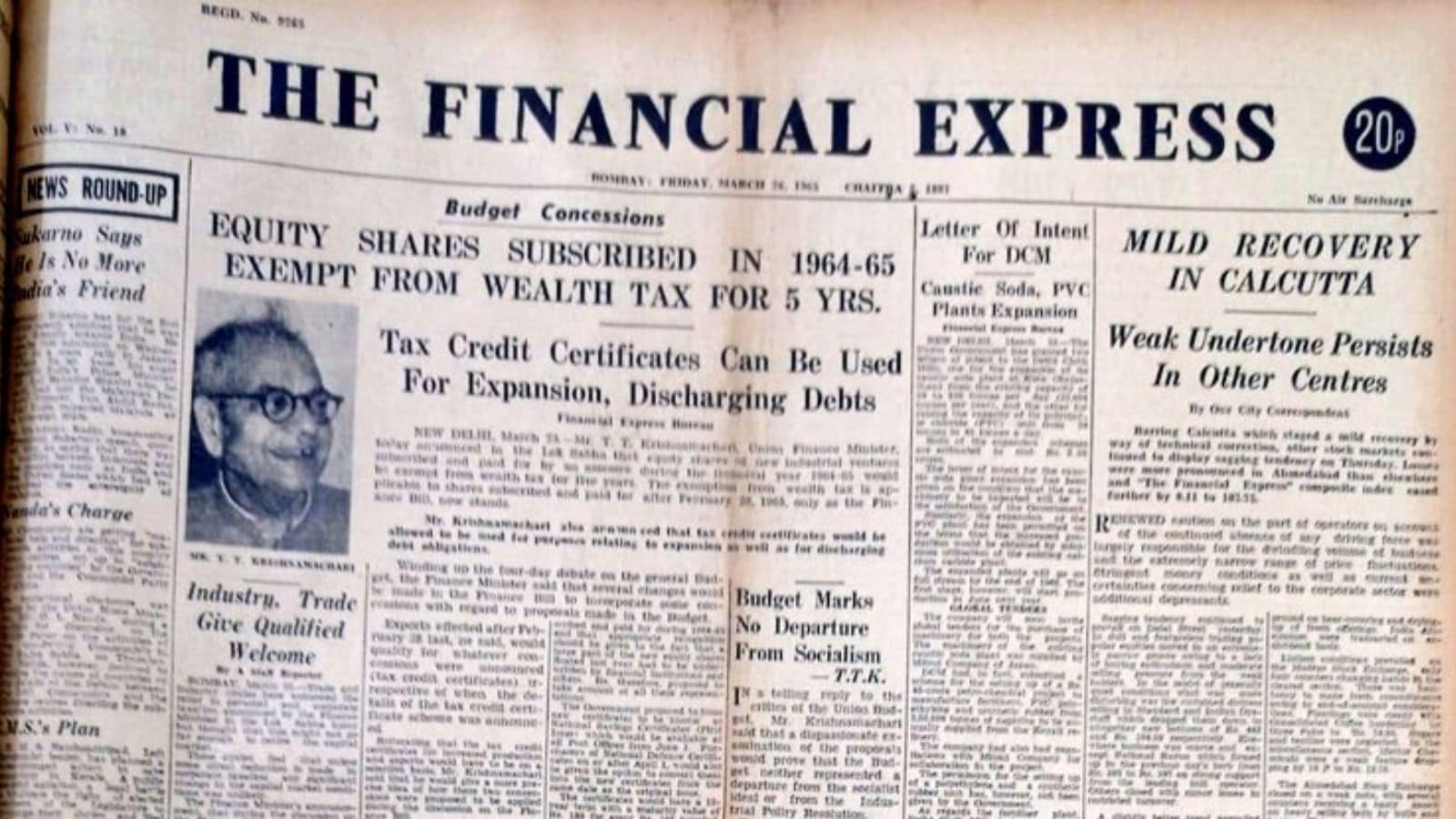
The mid-1960s saw newspapers explain technical tax decisions more clearly. In 1965, The Financial Times focused on incentives aimed at private investment. Its headline stated: “Equity Shares Subscribed In 1964-65 Exempt From Wealth Tax For 5 Yrs.” Coverage explained how this move followed heavy taxation in earlier years. In 1966, The Financial Express reported on an increase in wealth tax.
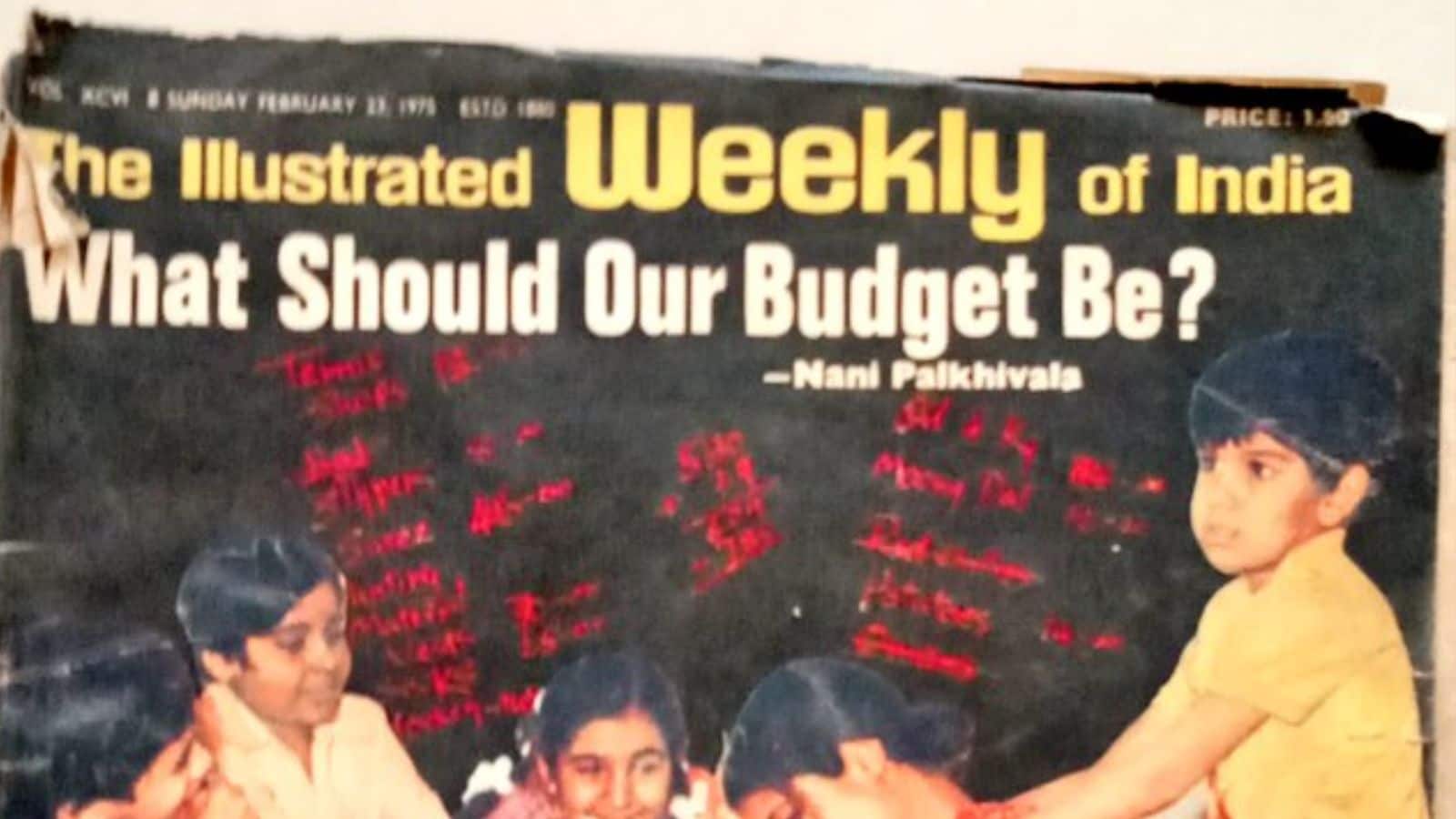
By the 1970s, visual storytelling entered budget reporting. In 1971, The Illustrated Weekly of India used an image of a mother and children with the question, “What Should Our Budget Be?” The focus shifted towards the common household. In 1976, it published an image showing bundles of cash alongside Finance Minister C. Subramaniam and Prime Minister Indira Gandhi. This time the question asked was, “Can We Have The Right Budget?” Images became tools to spark debate.
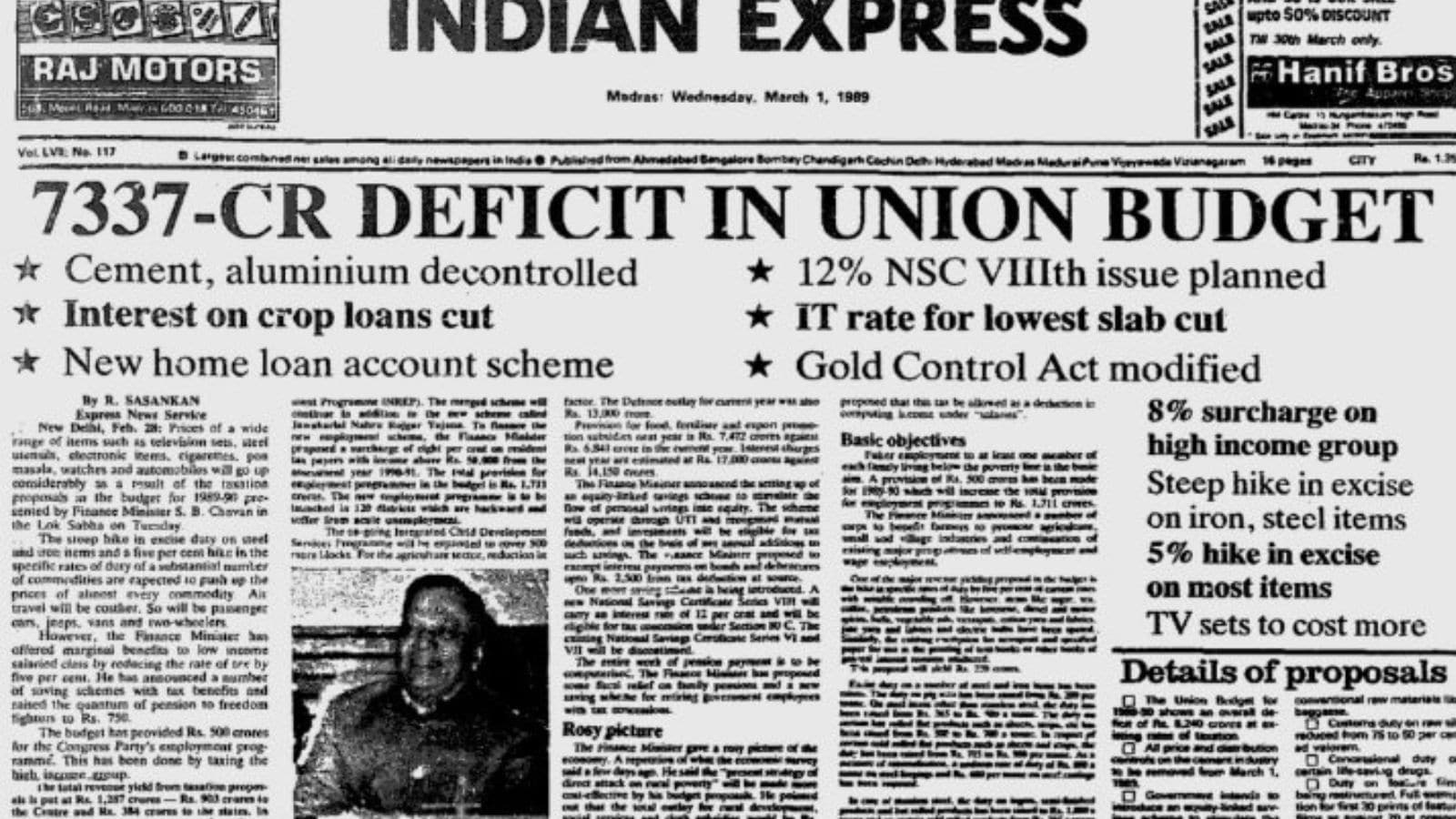
In the late 1980s, newspapers returned to crisp summaries. In 1989, Indian Express again used its snapshot-style format. The main headline read: “Rs 7337 Crore In Union Budget.” Sub-headlines covered decontrol of cement and aluminium, home loan schemes and income tax cuts. In 1990, when Madhu Dandawate presented the budget, Sunday ran an image with the line “Squeezing The Middle Class.” In 1991, Dr Manmohan Singh’s budget made headlines with Indian Express reporting: “7,719-Cr Deficit In Union Budget.”
News Photogallery india Nirmala Sitharaman Finance Minister How Far Have Union Budgets Come Since 1950s






 English (US) ·