

 41 minutes ago
6
41 minutes ago
6
ARTICLE AD BOX
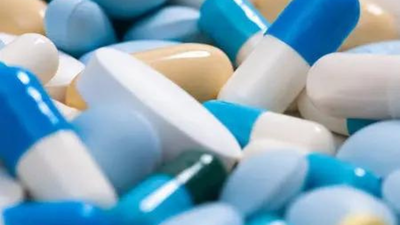
Patient advocacy groups have urged the Centre to revise the National List of Essential Medicines (NLEM) to include more life-saving drugs, including cancer medicines, monoclonal antibodies and diabetes treatments.
Buying medicines for chronic illnesses like diabetes, high blood pressure or heart disease may soon become a little easier on the pocket. In a fresh move aimed at making healthcare more affordable, the National Pharmaceutical Pricing Authority (NPPA) has capped the retail prices of 39 commonly used medicines prescribed for hypertension, diabetes, heart disease and several other conditions, news agency ANI.
The price regulator has also fixed the retail price of Calcium and Vitamin D3 tablets and revised the price of Anti-Rabies Immunoglobulin injection, according to official notifications issued by the NPPA. The decision is part of the government's ongoing effort to keep the prices of essential medicines under control and ensure that patients continue to have access to affordable treatment. The revised prices have been notified under the provisions of the Drugs (Prices Control) Order (DPCO), 2013.Check the new price list here
What has changed?
For most people, the headline is simple: 39 commonly prescribed medicines now have capped retail prices. These are medicines that many Indians take every single day to manage conditions like high blood pressure, diabetes, heart disease and other long-term illnesses. And because these conditions often require lifelong treatment, medicine bills can quietly become one of the biggest monthly expenses for a family.
Even if the savings on a single strip aren't dramatic, they can add up over months and years.The latest notification isn't only about medicines for chronic diseases. The NPPA has also fixed the retail price of Calcium and Vitamin D3 tablets at Rs 8.93 per tablet, including GST. These supplements are commonly prescribed to older adults, postmenopausal women and people with vitamin D or calcium deficiency. Doctors also recommend them to support bone health and help lower the risk of fractures in people with weak bones.And there's another important change. The authority has revised the retail price of Anti-Rabies Immunoglobulin injection to Rs 119.48. While most people hope they never need this medicine, it can be lifesaving after a bite from a suspected rabid animal. Given alongside the rabies vaccine, it provides immediate protection while the body develops its own immune response. By regulating its price, the government hopes to make this critical treatment more affordable for patients who need it in an emergency.
What does this mean for buyers?
For buyers, the change is fairly straightforward. Drug companies can't charge more than the retail prices fixed by the NPPA for the medicines covered under the latest notification. They've also been asked to roll out the new prices immediately and update the Maximum Retail Price (MRP) on medicine packs so consumers know exactly what they're paying for.But it's worth noting that the notification applies to specific formulations and strengths listed by the NPPA.
If you take medicines for diabetes, hypertension or heart disease, the impact on your pharmacy bill will depend on whether your prescribed medicine falls under the newly notified formulations.Even so, health economists have long argued that regulating the prices of essential medicines is especially important in India, where a significant share of healthcare expenses is paid directly by patients. For families with elderly members or individuals living with chronic diseases, medicines are not a one-time purchase but a recurring monthly expense.
Why this matters
India has one of the world's largest populations of people living with diabetes and hypertension. Cardiovascular diseases also remain the leading cause of death in the country. For many patients, treatment involves taking multiple medicines every day for years, making affordability just as important as availability.The inclusion of Calcium-Vitamin D3 tablets and Anti-Rabies Immunoglobulin injection can also make a big impact.
Calcium and vitamin D supplements are routinely prescribed for older adults, postmenopausal women and people with bone disorders, while Anti-Rabies Immunoglobulin is an essential medicine used in emergency care after suspected rabid animal bites.According to ANI, industry officials believe the latest notification will directly benefit both patients and hospitals by making these essential therapies more affordable without affecting their availability.This isn't the first time the NPPA has stepped in to regulate medicine prices. Over the years, the authority has regularly revised the prices of essential medicines to keep them within reach for patients. Under the Drugs (Prices Control) Order (DPCO), 2013, it reviews market data, manufacturing costs and other factors before deciding whether a medicine's price needs to be fixed or revised.According to ANI, the NPPA said the latest prices were worked out after taking into account market trends and input costs. For millions of Indians, this is more than just another government notification. Living with diabetes, heart disease or high blood pressure often means buying medicines month after month, year after year. Those expenses can quietly eat into a family's budget, especially when more than one member is on long-term treatment. It's another step towards making essential treatment more affordable, without compromising access to the medicines people rely on every day.








 English (US) ·