

 1 hour ago
3
1 hour ago
3
ARTICLE AD BOX

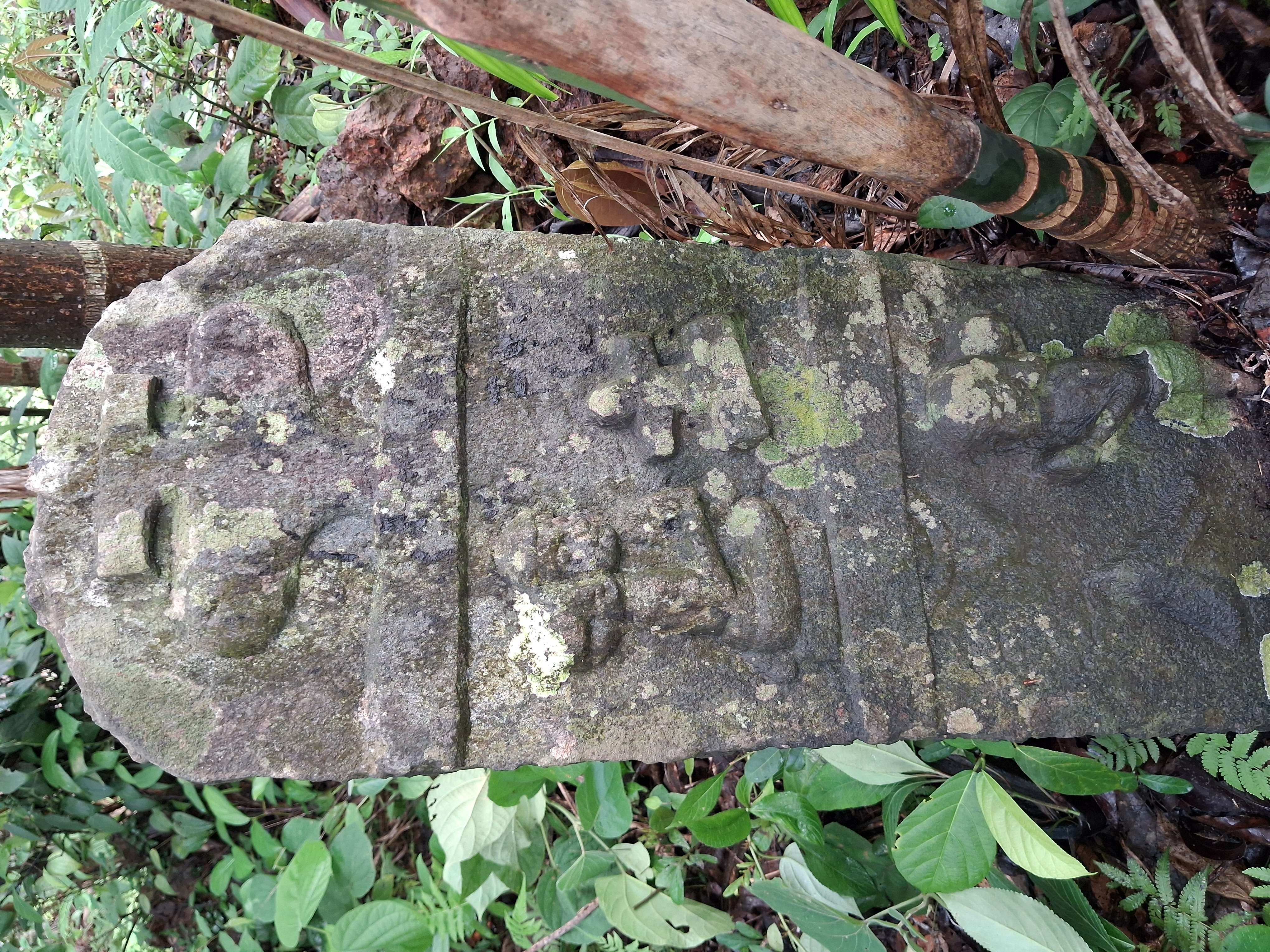
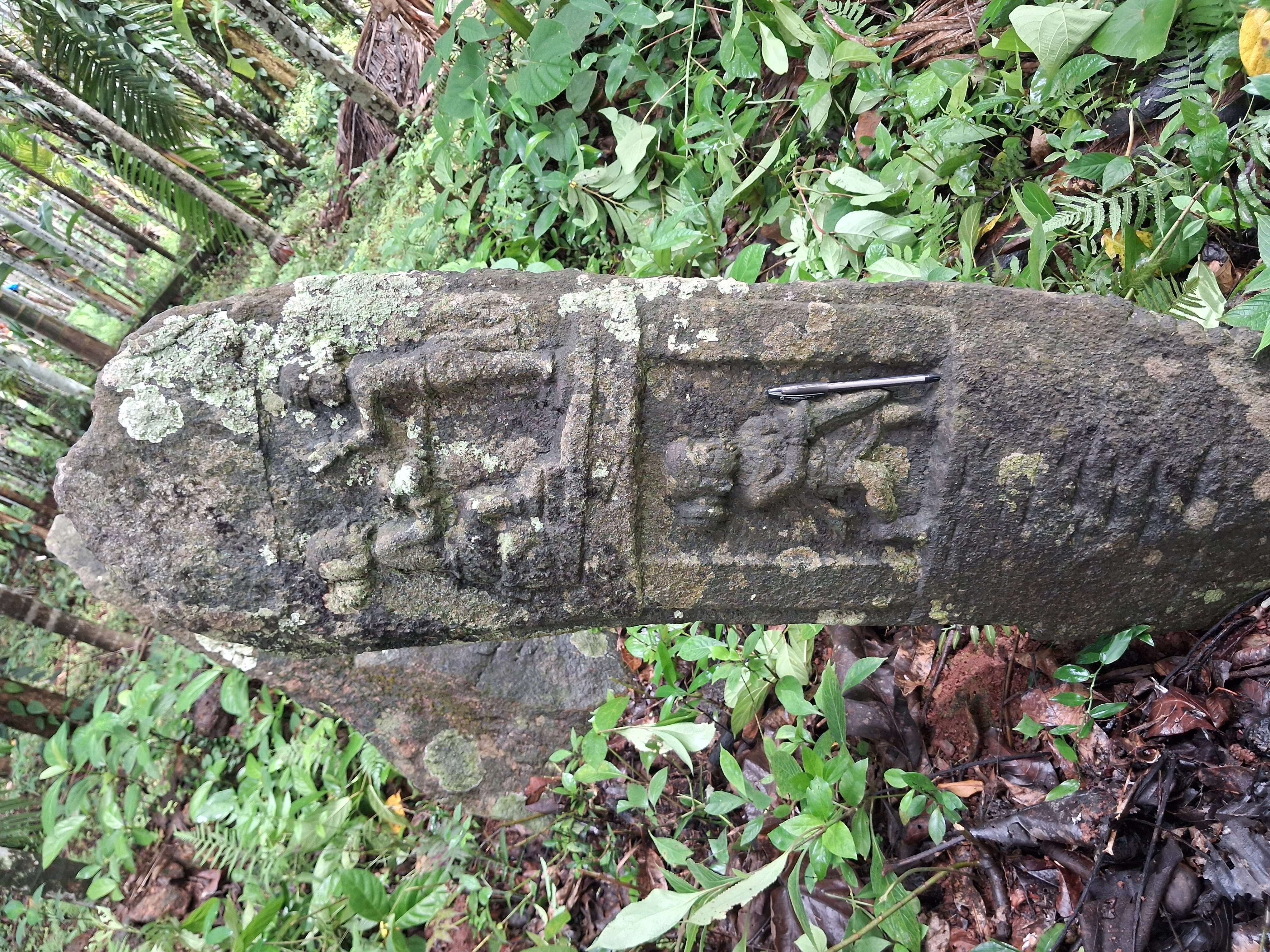
Keri: In a horticultural field at Galwada in Priol, near the Betal temple, a set of upright stone sculptures revered by locals stands as a memorial to those who sacrificed their lives to defend honour in bygone days.The stones, known as Barazan, are located in an orchard owned by Manohar Korde. In Cultural History of Goa (1986), Goa historian Anant Sinai Dhume recorded a visit to Barazan, where he found a black stone oracle plate with carved lines and two bas-relief stelai. Dhume noted that one stela bore the symbol of the Bel of Sumer—a tiara with two horns on each side—above a Saraswat Brahmin woman worshipping a Shiva linga.Datta Naik, a resident of Priol, told TOI that ancestors believed there were twelve sculptures, which is why the place came to be called Barazan.
He said elders of the Satarkar community from Kone-Priol visit the site every year and perform rituals and offer soro (liquor) and rot (a pancake made from rice flour) during the tenth lunar month of Paush.Archaeologist Varad Sabnis said the stones are memorials to “great heroes and dignified personalities from the past” who protect cultural identity, property and lives. He added that the artistic expression—figures shown in side posture and in motion—closely resembles sculptural styles during the 14th and 15th centuries.
Sabnis said the presence of similar groups of memorials in Madkai, Bandivade and Priol makes these villages significant from an archaeological perspective. Such memorials depict battle scenes, beheadings and sati commemorations, reflecting heroic traditions prevalent in Goa in ancient times, he said.
Attachment
Attachment








 English (US) ·