

 2 hours ago
4
2 hours ago
4
ARTICLE AD BOX
4 min readUpdated: Feb 13, 2026 06:10 PM IST
 Jasprit Bumrah in action. (FILE photo)
Batsmen going after bowlers, partnerships building, low score to defend or the need to put brakes on run-rate? At the start, in the middle, or at the death? Just dial Jasprit Bumrah. He is a captain’s cheat code in any format, especially in the T20 version.
But he is so deceptive bowing in all stages that he puts the captain in a dilemma. Just four overs and where to utilise him the best. It is a complex jigsaw. Mumbai Indians, captained by Hardik Pandya, has a standard pattern. Use him sparingly in the powerplay and middle overs to conserve him for the death overs.
For India it has not been this straightforward. In the recently- concluded series against New Zealand, Hardik Pandya with either Arshdeep Singh or Harshit Rana shared the new ball and bowled the initial overs. Bumrah often came at the end of the powerplay, similar to the way his franchise uses him.
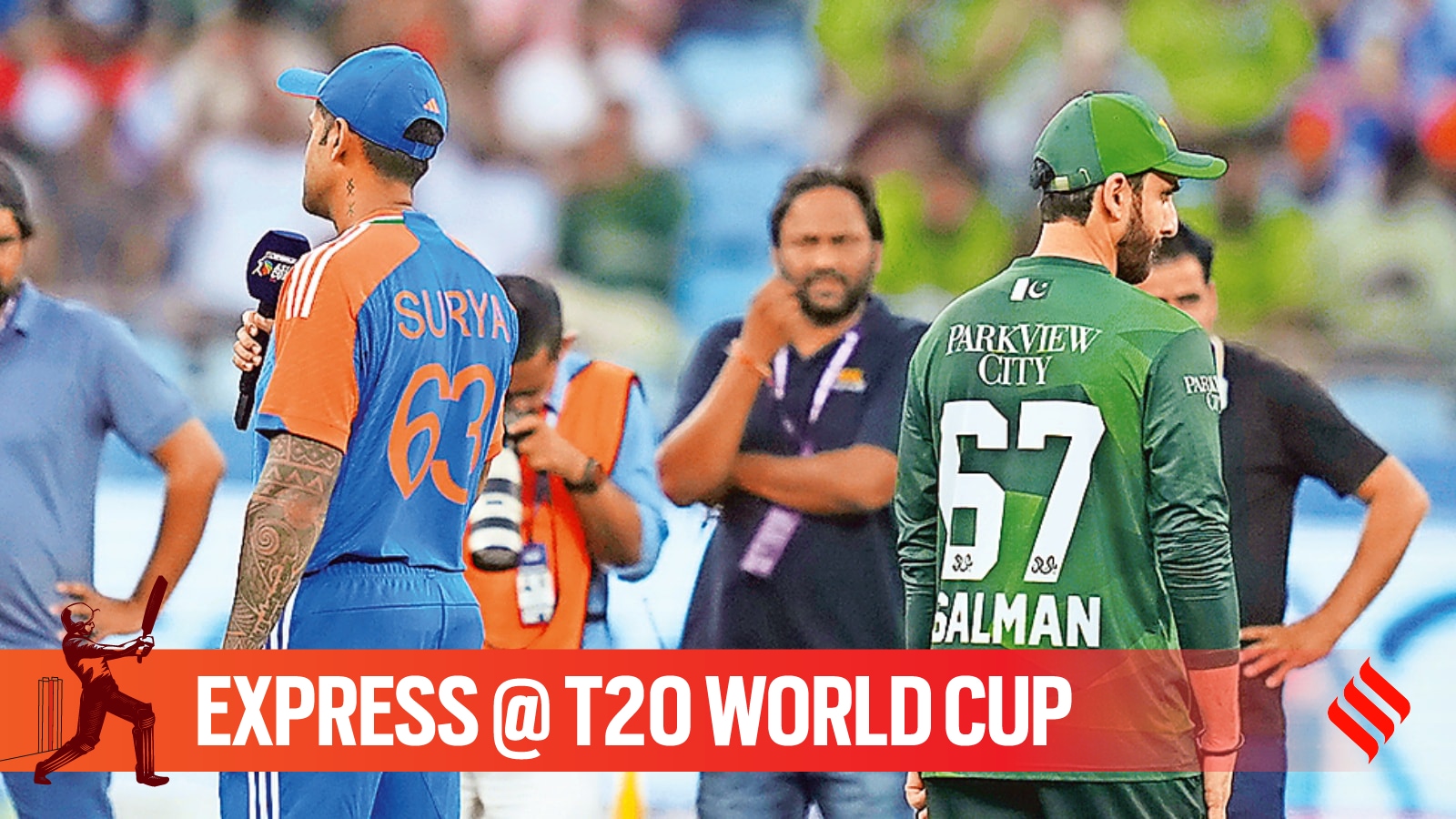
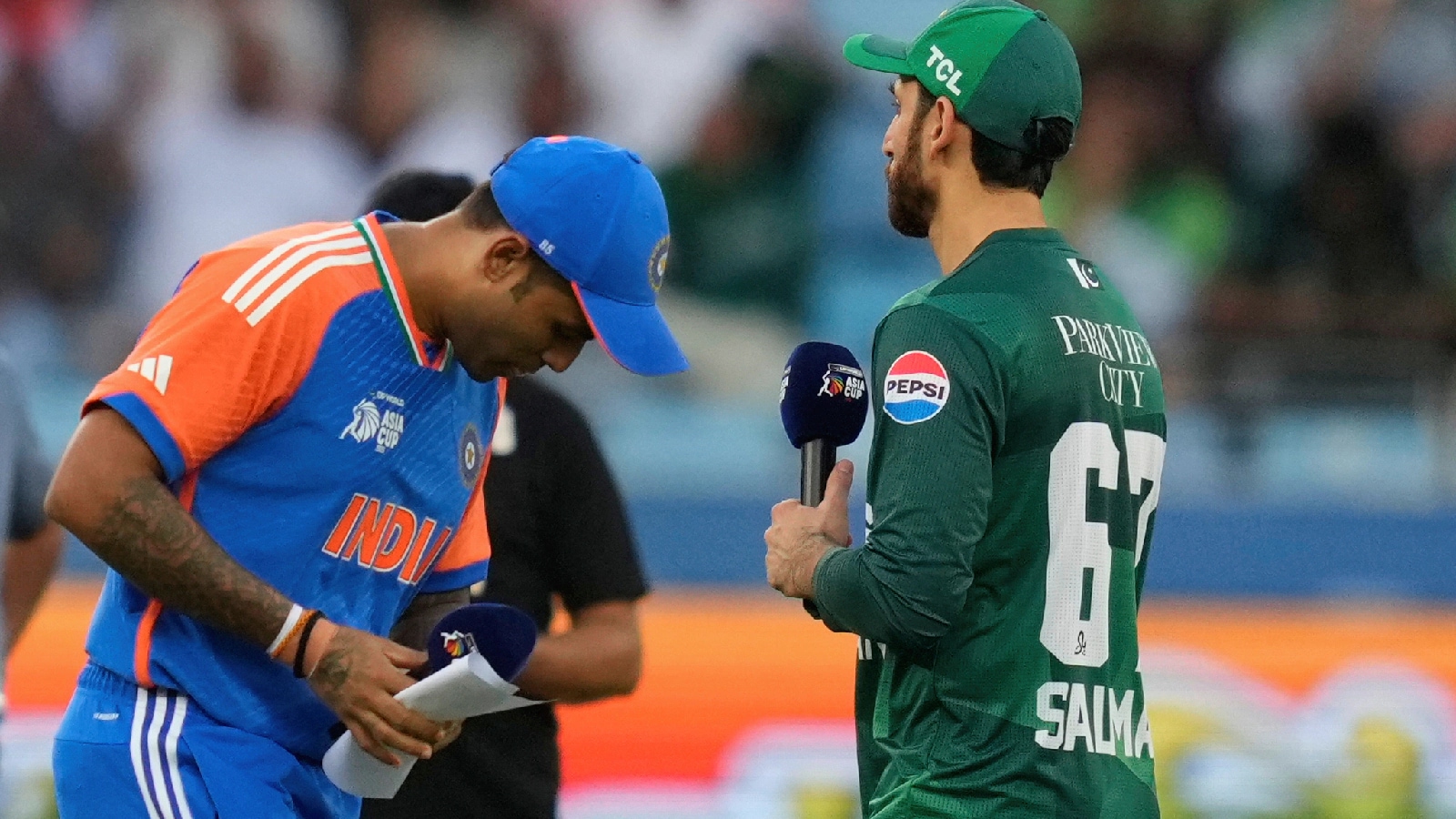
But rewinding to September 2025 in the Asia Cup, skipper Suryakumar Yadav used him in the powerplay for three overs 2,4,6 in all the games except the final against Pakistan, where he bowled 2 and 4. So the million dollar (arm) question. How and where to get the best out of him?
Cricket pundits always tend to tear their hair apart when Bumrah is not thrown the new ball. When he takes the new ball, he maximises the underlying moisture and the freshness of the surface. Even if there is little assistance, as is the case in most T2O games, Bumrah could still make life difficult for batsmen. Coming as first change, often in the fourth or fifth over, he could inject control. In the middle overs, he could be the enforcer. At the death, he could be the destroyer.
Here comes another feature that captains weigh in—batsmen tend to play out his overs safely and not attack too much. So the captain keeps him for those overs when batters have no choice but to go after him.
The stories the numbers tell
Over 5: The fifth of the powerplay has been the most productive over for Bumrah in his international career. He has picked up 11 wickets with an economy of just 5.9. It is the penultimate over of the powerplay where the batters are looking to make the most of the field restrictions, and the right-arm quick with his vast range of trickery has been able to befuddle the batters. His next best in the powerplay is the second over, where he has nabbed nine wickets. But strangely enough, his bowling average in the second over (26.3) is double that of the fifth (13.9).
Story continues below this ad
The middle muddle (6-16): It is the passage of play where mystery spinners and leg-spinners rule the roost. Understandably, there has not been much Bumrah exploits here. The most productive in this phase has been the 11th, usually after the drinks break where the commentators harp about batters losing concentration. He has snared six. The next best is five in the 15th.
Party time (17 to 20): It is that time when the power-hitters unleash the heavy artillery. With Bumrah, it is the other way around. He feasts on wickets. The 18th has been the most fruitful for him, producing 16 wickets at a strike rate of 10.8. Hypothetically, if misses out on a wicket one game, he will invariably manage one the next time he bowls in this phase. His next best are 17th and 20th, where he managed to grab13 wickets each. His best strike rate is in the 20th over, where he picks up a wicket approximately every 8 balls.
Expensive side (12, 14): While most overs are quite effective, he is yet to pick a wicket in the ninth and 12th overs of a T20I. In the 14th, although he has picked up a wicket, he has conceded 11.8 runs, his most expensive stage.
Stats credit: cricket21

Tanishq Vaddi is a Sports Writer with the online team of The Indian Express, based in Hyderabad. He primarily covers cricket and is known for his in-depth analysis and technical reporting on the game. Professional Background Role: He covers a wide range of cricketing action, including international matches (Tests, T20Is), domestic tournaments (Challenger Trophy), and major cricket leagues (IPL, WPL). Education: Tanishq holds a Bachelor's degree in Civil Engineering from MVSR Engineering College and a PG Diploma in English Journalism (Print) from the Asian School of Journalism. Experience: Before joining The Indian Express in late 2022, he gained experience covering the startup ecosystem at YourStory and worked as a copywriter at Story Digital. Key Areas of Coverage Tanishq’s writing often focuses on the technical and psychological aspects of cricket. His notable work includes: Technical Analysis: Explaining bowling actions (e.g., Simon Harmer’s bounce) and batting techniques (e.g., Ben Duckett’s sweep shot). Interviews: He has interviewed prominent figures such as former England player Nick Knight, bowling coach Rajib Datta, and mental health coach Paddy Upton. Statistical Comparisons: Detailed career analysis, such as comparing Shubman Gill’s early career stats with legends like Sachin Tendulkar and Virat Kohli. Regional Cricket: Reporting on developments in South Indian cricket, including the appointment of Gary Stead as the head coach for Andhra. Notable Recent Articles "IND vs SA 2nd Test: How did Simon Harmer beat Yashasvi Jaiswal with bounce?" (Nov 2025) "2026 Under-19 World Cup: Bowling coach outlines India's preparation" (Nov 2025) "Nick Knight interview: Joe Root will score big runs in Australia" (Nov 2025) "Gary Stead appointed as head coach for Andhra for the 25/26 season" (Sept 2025) "Jason Gillespie explains what makes Jasprit Bumrah and Pat Cummins so special, and why reverse swing will be key with Kookaburra ball" You can follow his latest reports on the Indian Express website or via his Twitter handle @TanishqVaddi. ... Read More
Stay updated with the latest sports news across Cricket, Football, Chess, and more. Catch all the action with real-time live cricket score updates and in-depth coverage of ongoing matches.
© The Indian Express Pvt Ltd






 English (US) ·