

 1 day ago
5
1 day ago
5
ARTICLE AD BOX
The brain treats infant cues differently from ordinary sounds | Pexels
Some mothers wake up when a bedroom door opens quietly, a child coughs in another room, or a floorboard creaks while everyone else continues sleeping. That sensitivity is often dismissed as being a “light sleeper,” but research suggests caregiving itself can reshape how the brain responds to sounds during sleep.
Studies show that parents become especially responsive to child-related cues because repeated nighttime caregiving strengthens the brain systems involved in attention, emotion, and rapid action. Over months and years, waking quickly becomes less of an inborn trait and more of an adaptive response to repeatedly caring for a child who may need help at any hour.
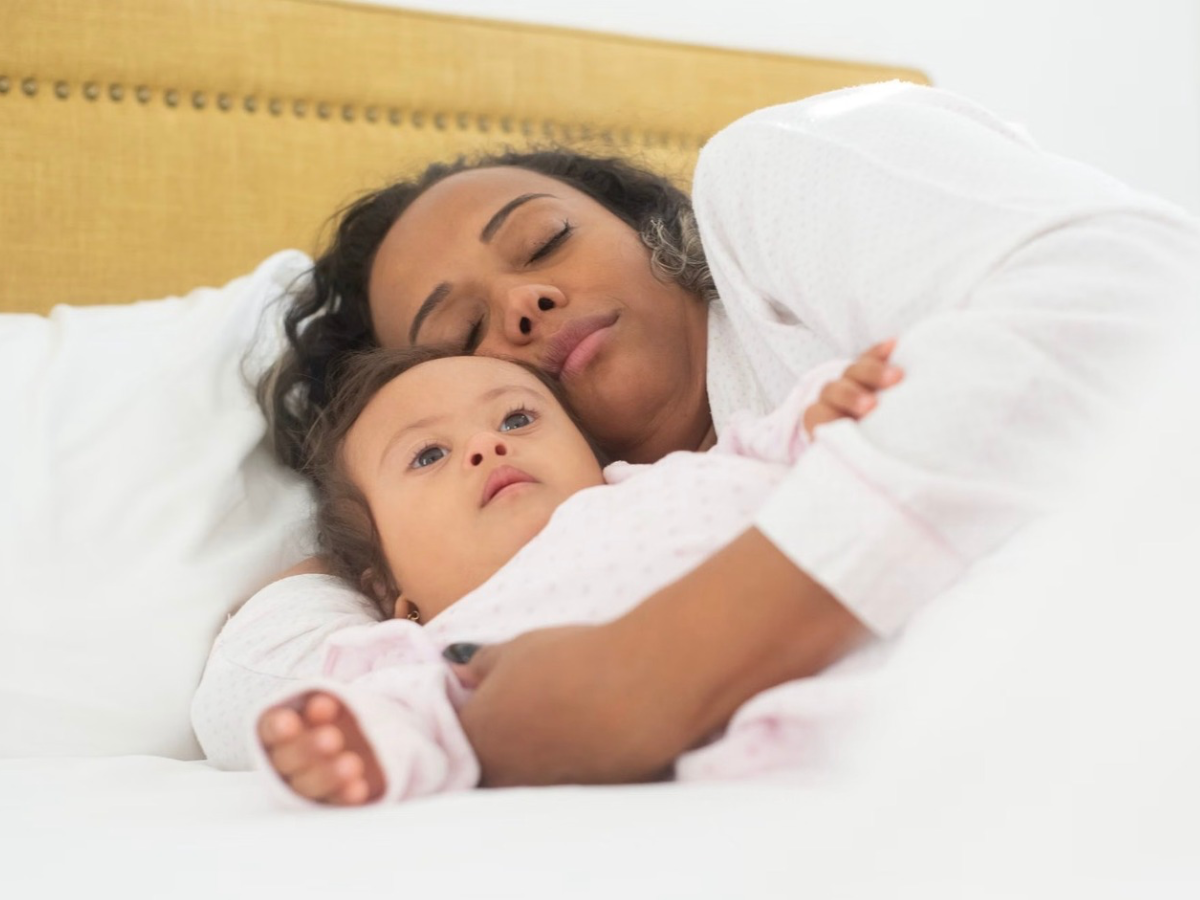
The brain treats infant cues differently from ordinary sounds | Pexels
The caregiving brain becomes especially responsive to children’s signalsOne of the clearest findings in maternal neuroscience is that the brain treats infant cues differently from ordinary sounds. A review published in Proceedings of the National Academy of Sciences found that infant cries consistently activate brain networks involved in attention, movement, emotion, and caregiving motivation, while also showing that the maternal brain remains highly adaptable through experience.Rather than simply hearing a sound, the brain rapidly evaluates whether it could require action. After months or years of responding to nighttime crying, coughing, or movement, even faint household noises may receive priority because the brain has learned that small sounds sometimes signal an important need.Repeated nighttime caregiving can lower the threshold for wakingThe way mothers respond during the night is shaped by experience rather than instinct alone. Research examining parenting interventions published in Academic Pediatrics found that caregiving responses such as soothing, rocking, and responding to infant distress can be strengthened through practice, demonstrating that caregiving behaviors remain highly adaptable.
The same principle helps explain nighttime alertness. Repeatedly waking to feed, comfort, or check on a child teaches the brain that certain sounds deserve immediate attention. Eventually, that response may occur before a parent is fully awake, making quick arousal feel automatic rather than deliberate. This learned readiness is particularly useful during early childhood, when children’s needs often emerge unexpectedly and require a rapid response.Parenting changes sleep as well as attentionSleep itself changes substantially during pregnancy and the years immediately after childbirth. A systematic review of postpartum sleep that was published in Dovepress found that pregnancy and early parenthood alter both sleep quality and sleep patterns through a combination of biological, psychological, and caregiving demands.These changes do not necessarily disappear the moment children begin sleeping through the night.
Years of interrupted sleep and repeated monitoring can leave parents more responsive to sounds within the home, especially sounds that resemble cues they have learned to associate with caregiving. The result is a sleep pattern that often prioritizes awareness over uninterrupted rest, even when constant vigilance is no longer necessary.
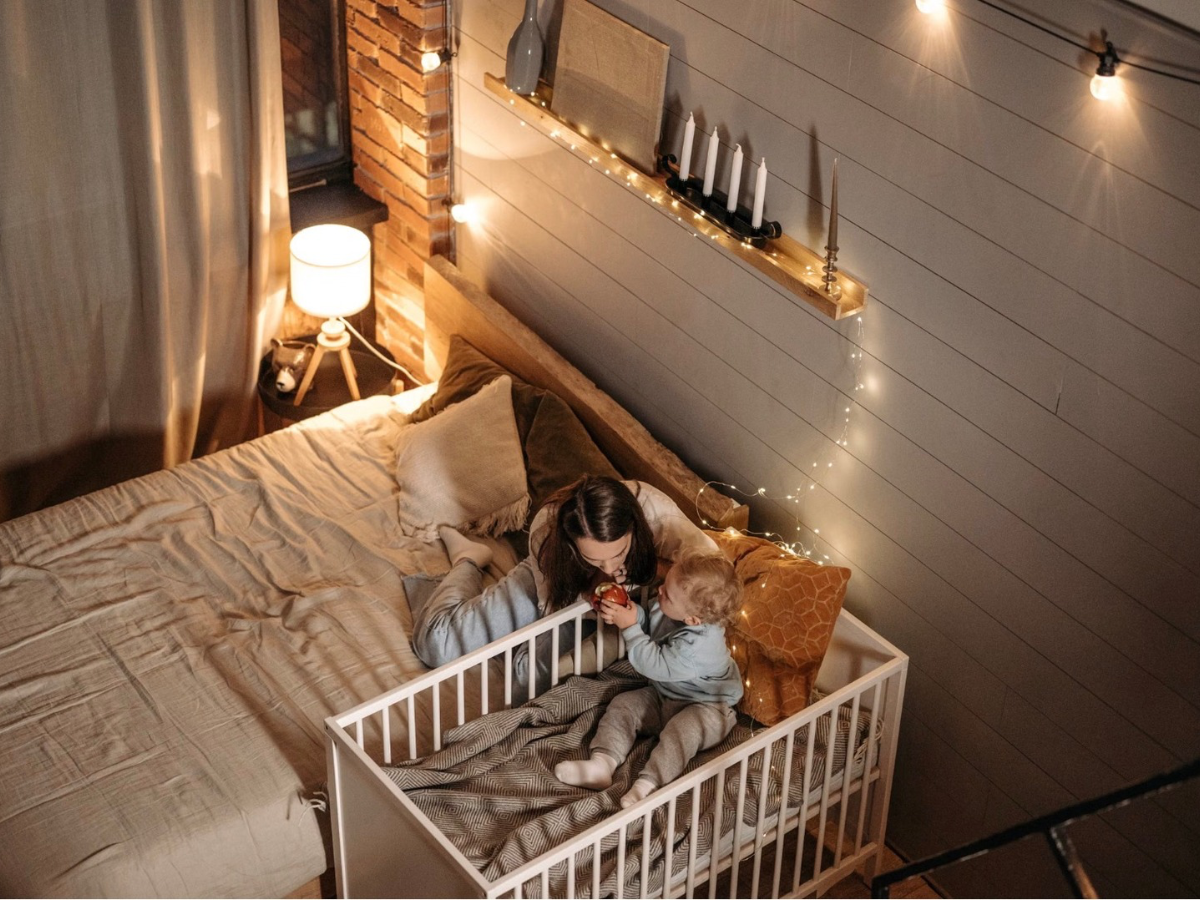
Years of interrupted sleep and repeated monitoring can leave parents more responsive to sounds within the home | Pexels
Fast waking can remain long after children grow olderMany mothers notice that they continue waking easily long after their children become independent sleepers.
By that stage, the behaviour may no longer respond to frequent nighttime caregiving, but the pattern itself has already become well-established.The brain adapts remarkably well to repeated experiences, and parenting provides thousands of opportunities to learn that small household noises sometimes require immediate action. Once that system has been reinforced over many years, it may remain active even when the original demands have become much less frequent.Mothers who wake at the slightest sound are not necessarily born as unusually light sleepers. Research suggests that repeated caregiving gradually trains the brain to stay especially responsive to child-related cues, making quick waking an adaptive consequence of years spent listening, monitoring, and responding. What looks like extraordinary sensitivity often reflects something much more practical: a brain that has spent years learning which sounds matter most and continues treating them as important long after the busiest years of parenting have passed.









 English (US) ·