

 3 days ago
4
3 days ago
4
ARTICLE AD BOX
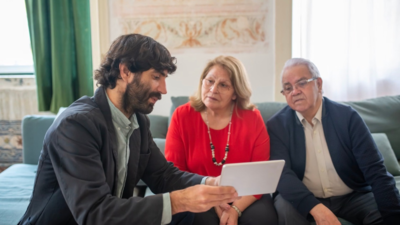
Parents continue providing advice, emotional support, companionship, and practical assistance throughout adulthood | Pexels
Parents often continue offering advice well into their children’s adult lives, and psychology suggests that this reflects an ongoing pattern of family support rather than an inability to let go.
A landmark study by Cooney and Uhlenberg found that relationships between parents and adult children remain active throughout adulthood, with support continuing in different forms long after children become independent. Rather than ending once children leave home, parental involvement evolves into advice, emotional encouragement, practical assistance, and shared problem-solving as family roles change over time.
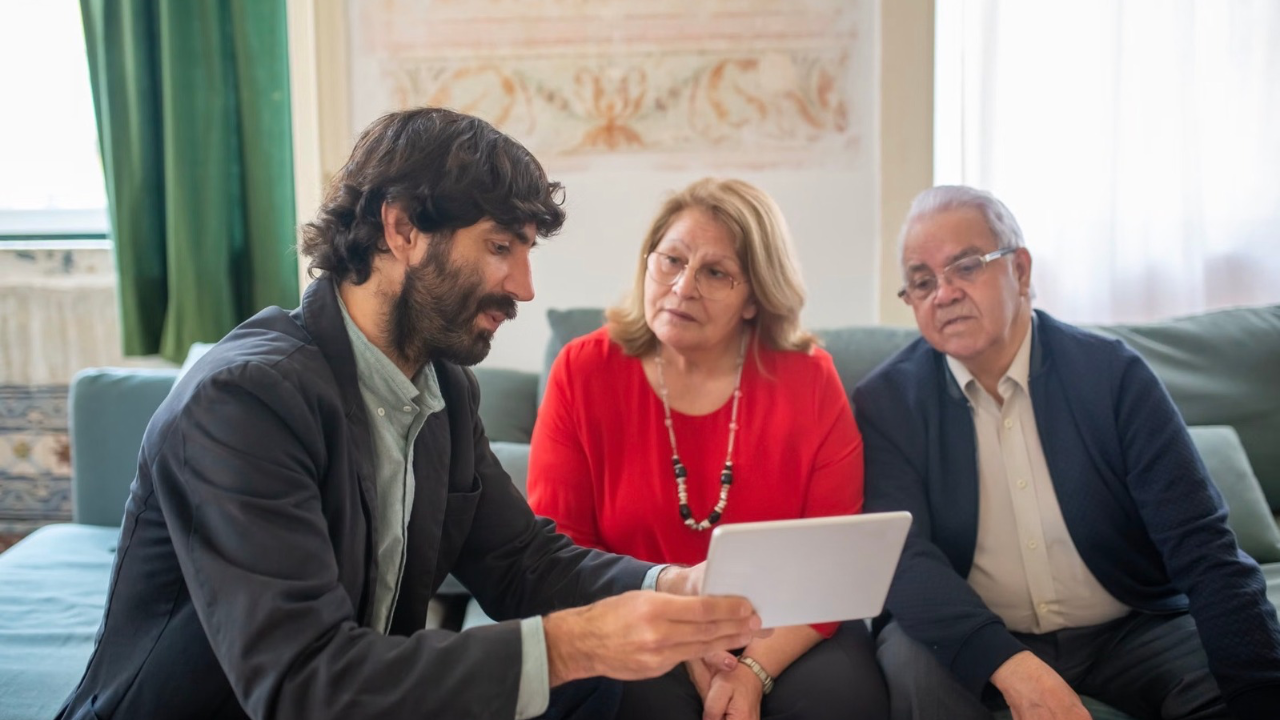
Parents continue providing advice, emotional support, companionship, and practical assistance throughout adulthood | Pexels
Advice is one form of lifelong family supportResearch on intergenerational relationships published in Gerontology consistently shows that support extends well beyond financial help or caregiving during childhood. A comprehensive review of parent-adult child relationships found that parents continue providing advice, emotional support, companionship, and practical assistance throughout adulthood. However, the balance of support gradually shifts as both generations age.
This perspective changes how parental advice is understood. Instead of viewing it as evidence that parents are reluctant to recognize their children’s independence, the research suggests it is one expression of a relationship that continues adapting across different stages of life. Parents may no longer make decisions for their children, but they often remain trusted sources of experience when new challenges arise.Adult children continue seeking guidanceThe persistence of parental advice also reflects that many adult children continue to turn to their parents for support. Research examining everyday interactions between parents and adult children, published in Oxford Academic, found that young adults frequently sought advice about careers, finances, relationships, and major life decisions, particularly when the relationship remained close and supportive.The exchange is therefore not entirely one-sided, since advice continues because it is often welcomed, especially during periods of uncertainty when adult children are navigating new responsibilities for the first time. Whether discussing work, parenting, or relationships, parents often remain part of the decision-making process because the relationship itself continues to provide value.

Support extends well beyond financial help or caregiving during childhood | Pexels
Support gradually becomes more reciprocalAlthough parents commonly provide more support during early adulthood, family relationships generally become more reciprocal over time. Research published in Springer Nature found that adult children increasingly provide emotional support, companionship, and practical assistance as parents grow older.
Advice may still flow from parent to child in some situations, while support moves in the opposite direction in others.This shifting balance explains why parental guidance often continues for decades without preventing independence. The relationship changes, but it does not disappear. Research consistently shows that parents and adult children remain part of an evolving support system in which guidance, emotional encouragement, and practical help continue flowing across generations. Rather than reflecting an inability to let go, ongoing advice often reflects the reality that meaningful family relationships continue adapting long after childhood has ended.








 English (US) ·