

 1 day ago
4
1 day ago
4
ARTICLE AD BOX
Older adults who continue exercising consistently often describe movement as something that simply belongs in their lives | Pexels
People who remain active well into their 60s and 70s are often described as exceptionally disciplined or naturally athletic, but research on healthy ageing suggests that the explanation is incomplete.
Long-term physical activity is more likely to last when it becomes part of a person’s identity rather than a task that depends on daily motivation. Older adults who continue exercising consistently often describe movement as something that simply belongs in their lives, much like eating breakfast or walking the dog. The routine survives because it feels normal, not because it requires constant willpower.
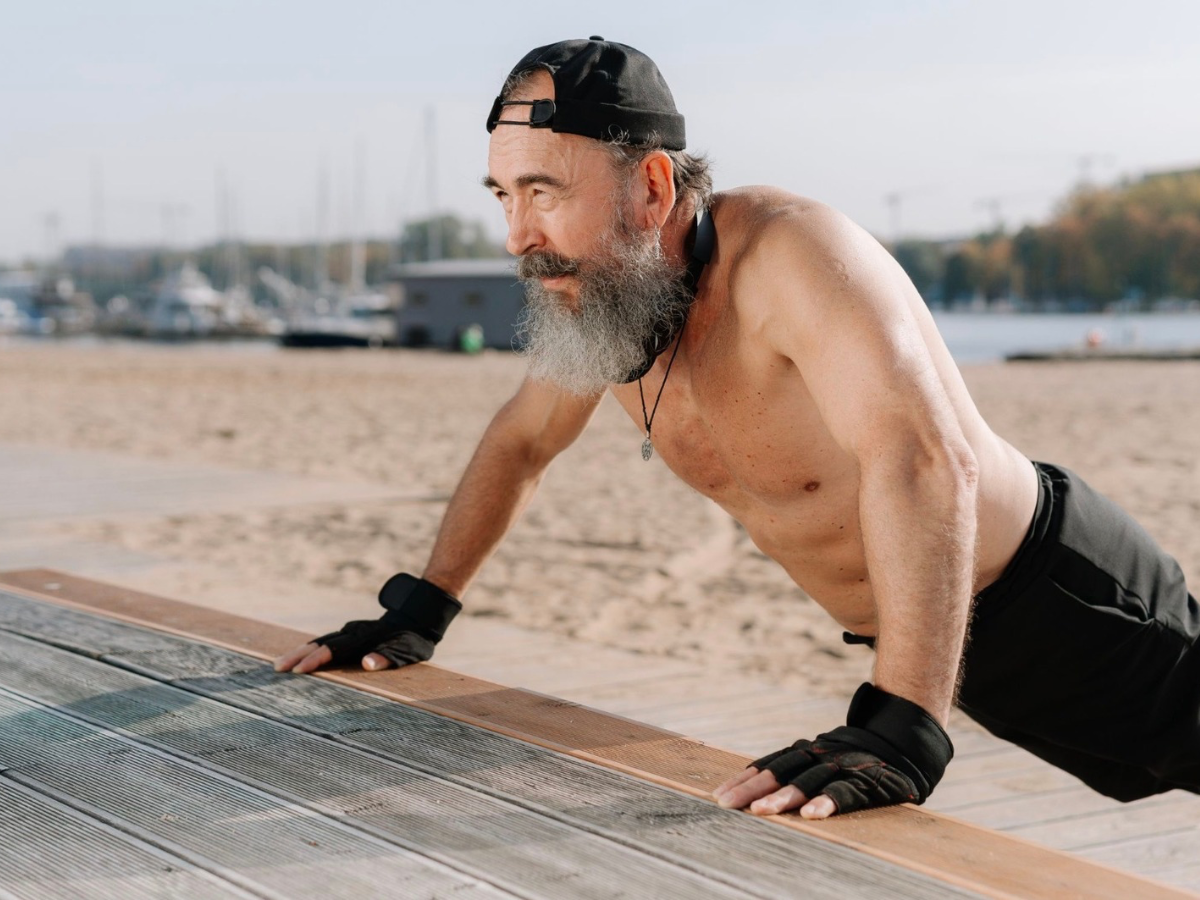
Older adults who continue exercising consistently often describe movement as something that simply belongs in their lives | Pexels
Identity makes habits easier to maintainOne of the strongest findings in research on older adults is that exercise becomes more sustainable when people stop seeing it as a temporary health project and start seeing it as part of who they are. A follow-up study from the INDIGO program found that long-term physical activity was supported by self-efficacy, enjoyment, habit formation, and the belief that being active was part of everyday life.
Rather than relying on discipline alone, participants described exercise as something that gradually became natural.That shift changes how people experience physical activity. Instead of deciding every day whether they should exercise, they begin acting in ways that match the person they believe themselves to be. Once movement becomes part of identity, consistency requires much less negotiation.Staying active often reflects purpose as much as fitnessExercise serves different purposes at different stages of life.
In later adulthood, many people associate movement with maintaining independence, continuing hobbies, and staying involved with family and community.Research exploring physical identity in older adults, published in MDPI, found that participants connected being active with autonomy, usefulness, and maintaining the ability to contribute to others. Physical activity was not simply about avoiding disease. It became part of preserving the kind of life they wanted to keep living.
That helps explain why many older adults remain committed to movement despite slower recovery or physical limitations. The activity supports an identity they value rather than functioning as a short-term fitness goal.Daily routines matter more than bursts of motivationPeople often imagine lifelong fitness as the result of extraordinary dedication, but research suggests that ordinary routines are usually more important.A qualitative study of older adults who continued exercising after structured fitness programs was published in Springer Nature and found that autonomy, enjoyment, social support, and routines that fit naturally into everyday life all contributed to long-term participation. Exercise lasted because it became woven into normal schedules rather than treated as a separate challenge that required fresh motivation each day.This is why consistent walkers, gardeners, swimmers, or gym-goers often describe their routines so casually.
The activity no longer feels like something they have to convince themselves to do. It has become part of how they organize their day.
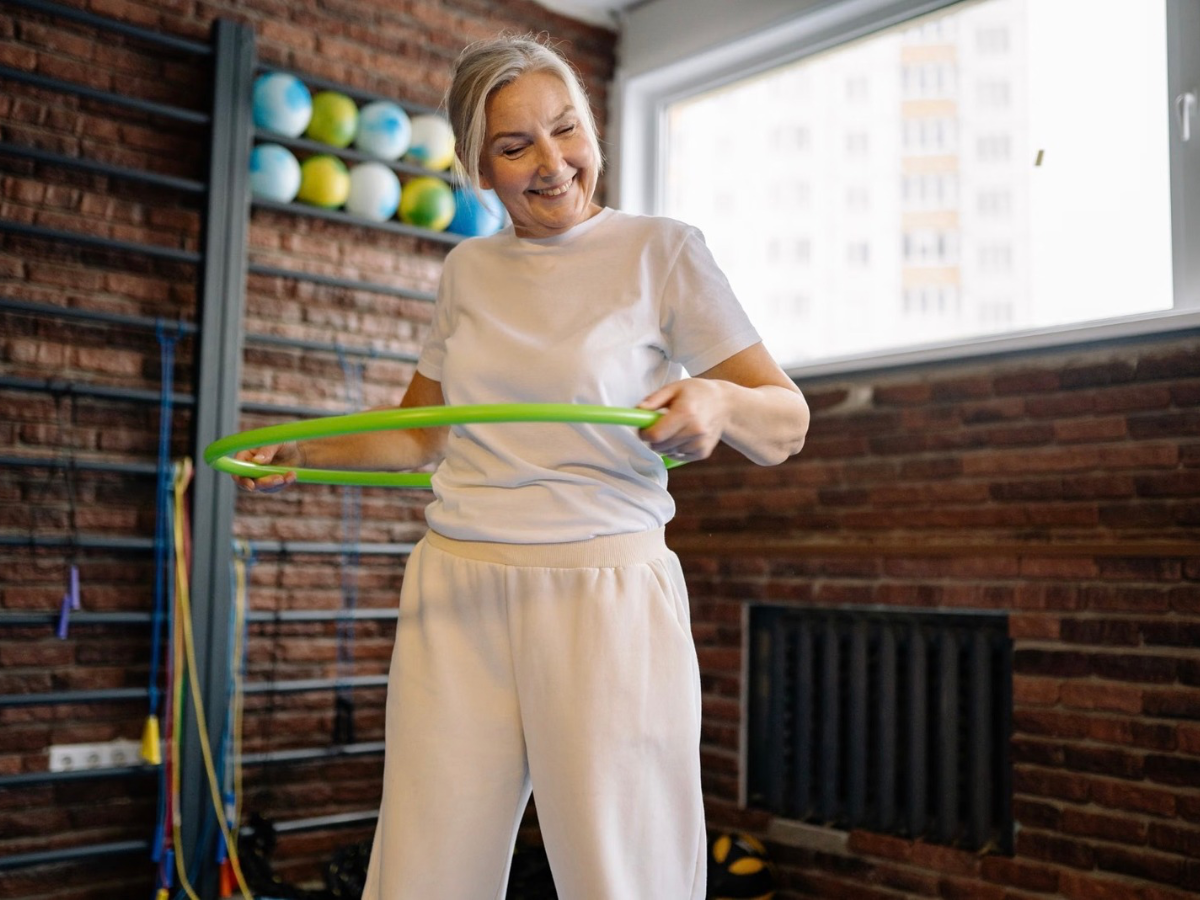
Autonomy, enjoyment, social support, and routines that fit naturally into everyday life all contributed to long-term participation | Pexels
Ageing changes the body, not necessarily the mindsetResearch increasingly shows that people who remain active later in life often adapt their expectations instead of abandoning movement altogether. They may change the pace, intensity, or type of exercise while continuing to see themselves as active people.This flexibility helps preserve consistency. Rather than measuring success by athletic performance, they focus on continuing the habit in ways that fit their changing abilities. That mindset allows movement to evolve alongside ageing instead of ending because it no longer looks the same as it once did.People who stay fit into their 60s and 70s are not always the most disciplined or the most genetically fortunate. Research suggests many have reached a point where movement feels like part of their identity rather than another task on a to-do list. Studies show that enjoyment, purpose, self-efficacy, and routines that fit naturally into everyday life are far more likely to sustain long-term activity than motivation alone, and by making movement part of who they are rather than something they only do occasionally, they give themselves a much better chance of staying active in later life.








 English (US) ·