

 1 hour ago
5
1 hour ago
5
ARTICLE AD BOX
The purchase reflects more than a financial decision | Pexels
Shopping at thrift stores is often assumed to be a way of cutting costs, but research suggests that many people with comfortable incomes are motivated by something different. A 2024 longitudinal study on sustainable clothing consumption, published in Scientific Reports, found that people with a stronger pro-environmental self-identity were more likely to purchase sustainable clothing, including secondhand items, with identity proving a stronger predictor of behavior than intentions alone.
The findings suggest that buying secondhand is often less about affordability and more about making purchasing decisions that reflect personal values.
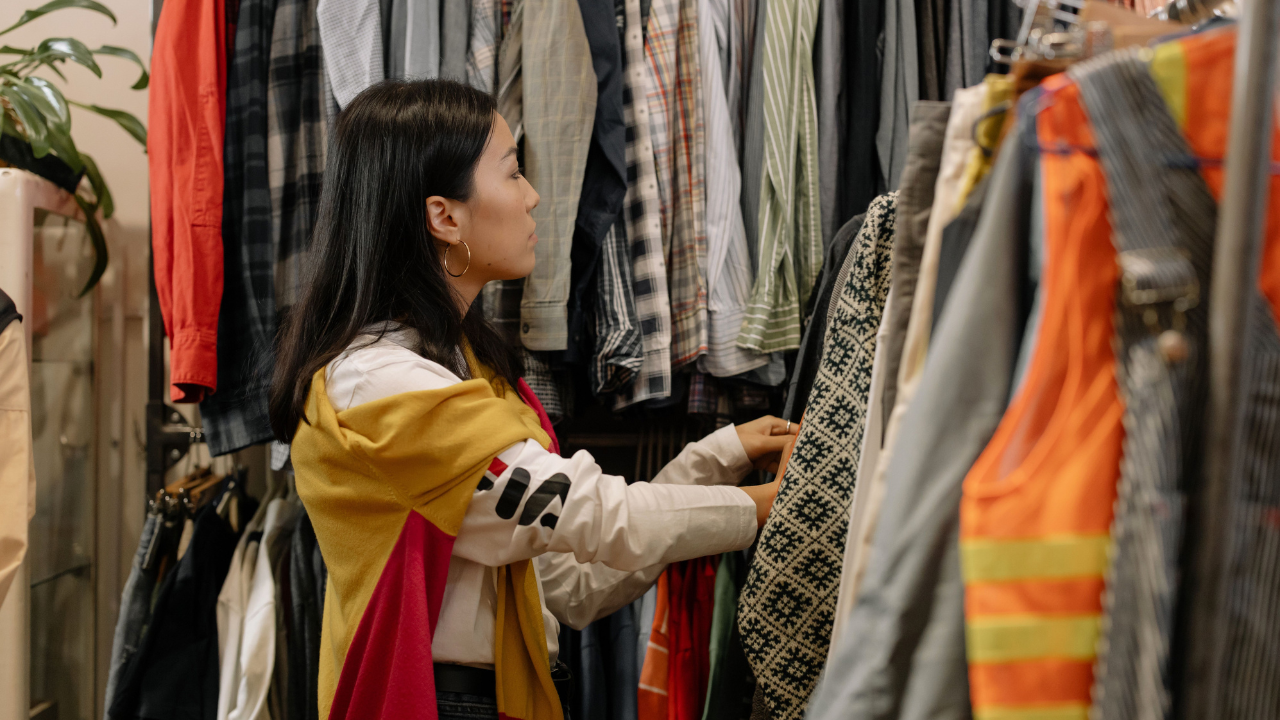
People with a stronger pro-environmental self-identity were more likely to purchase sustainable clothing | Pexels
Secondhand shopping allows people to express who they areEnvironmental identity describes the extent to which caring for the environment becomes part of a person’s self-concept. A review of environmental identity research, published in Frontiers, found that people who strongly identified with environmental values were more likely to engage in behaviors consistent with those values because such actions reinforced their self-perception.
That helps explain why many thrift shoppers continue buying secondhand even when they can easily afford new clothing. The purchase reflects more than a financial decision, since it becomes a way to express sustainability, reduce waste, and choose consumption habits that align with personal values.At the same time, many shoppers also value the individuality that secondhand stores offer. Unlike mass-produced retail clothing, thrift stores provide one-of-a-kind items that allow people to build wardrobes that feel more personal and distinctive.
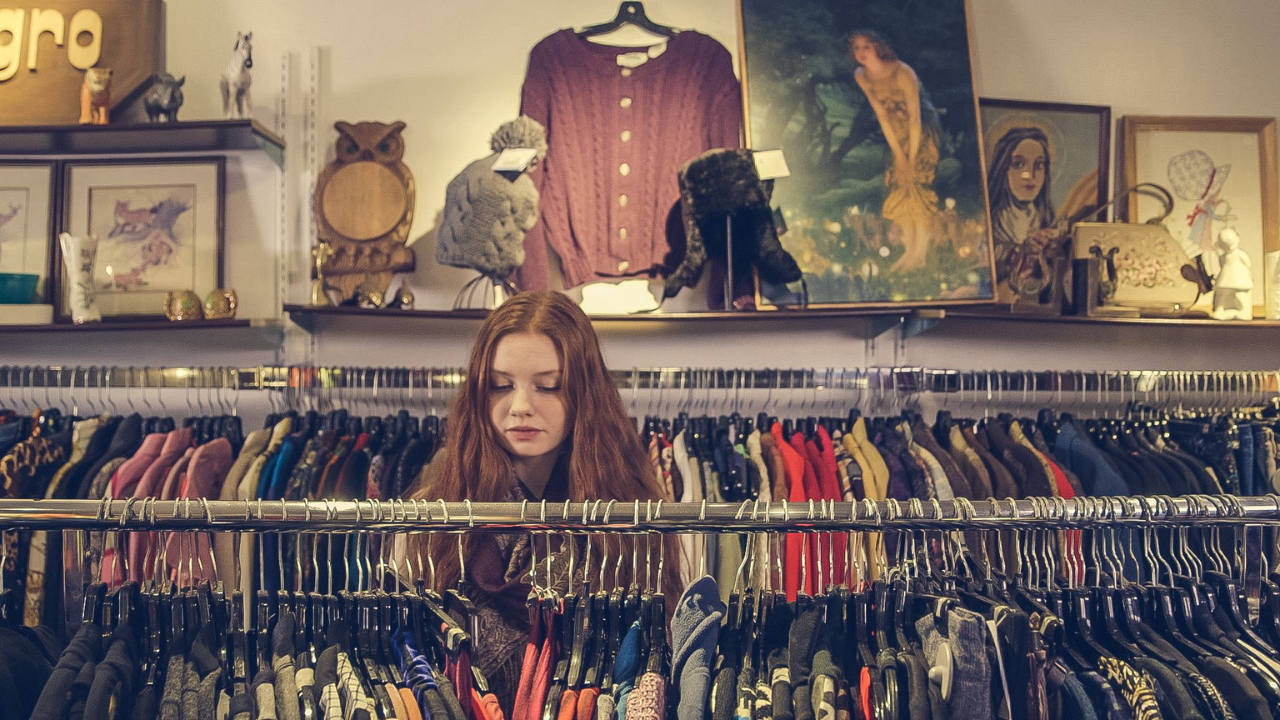
The purchase reflects more than a financial decision | Pexels
Values influence behavior, but they do not explain everythingThe psychology of thrift shopping is more nuanced than simply labeling it sustainable. A recent Scientific Reports study found that people who spent more on secondhand clothing also tended to spend more on new clothing overall, suggesting that secondhand shopping does not automatically reduce total consumption. That finding does not contradict the earlier research; instead, it shows that people often shop secondhand for several reasons at once.
Sustainability, individuality, enjoyment, and the excitement of discovering unique items can all influence behavior, even if overall consumption remains relatively high.The research suggests that people who shop at thrift stores despite having money are often motivated by more than saving cash. Studies show that pro-environmental identity strongly predicts secondhand purchasing, while broader research indicates that environmental values frequently become part of how people express themselves through everyday choices. Although thrift shopping does not automatically lead to lower consumption, it often reflects a deliberate effort to align purchasing decisions with personal beliefs about sustainability, individuality, and intentional consumption.









 English (US) ·